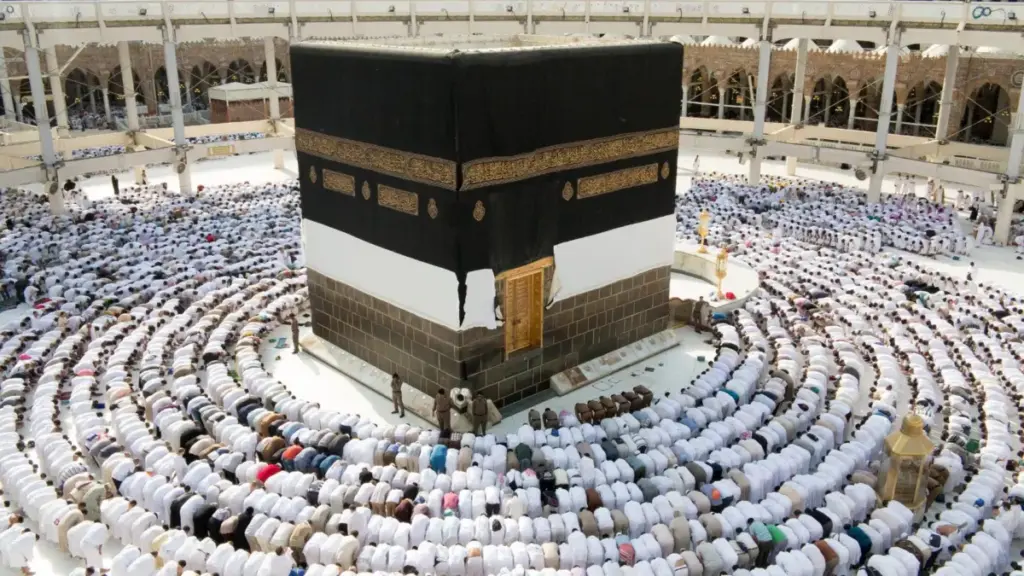
As the sacred season of Hajj draws near, Muslims around the globe are deep in preparation for one of the most profound spiritual journeys of their lives. While many are currently assembling their provisions and finalizing travel logistics, others have already set out toward the blessed city of Makkah. In doing so, they are answering an ancient call—an invitation originally announced by Prophet Ibrahim and subsequently renewed by Prophet Muhammad, peace be upon them both.
For millions of believers, this pilgrimage represents the physical and emotional culmination of a lifetime of devotion. Yet, beyond the physical demands of travel, the rituals of ihram, and the vast gatherings on the plains of Arafat, lies a deeper question that continues to inspire reflection among scholars and laypersons alike: Why is Hajj held in such extraordinarily high esteem within the Islamic tradition?
To fully grasp the weight and spiritual majesty of the pilgrimage, believers frequently turn to the recorded sayings and traditions of Prophet Muhammad. A collection of specific Hadiths illuminates how early Muslims understood Hajj, shedding light on why it occupies such a central place in the faith and why generations of believers continue to hold it so deeply dear.
A Foundational Pillar of Islam
Among the diverse spectrum of rituals, acts of charity, and daily acts of worship that characterize Islamic practice, Hajj stands out as a primary structural component of the faith. It is not merely an optional spiritual retreat or a historical reenactment; rather, it is established as an indispensable pillar upon which the entire edifice of Islam rests.
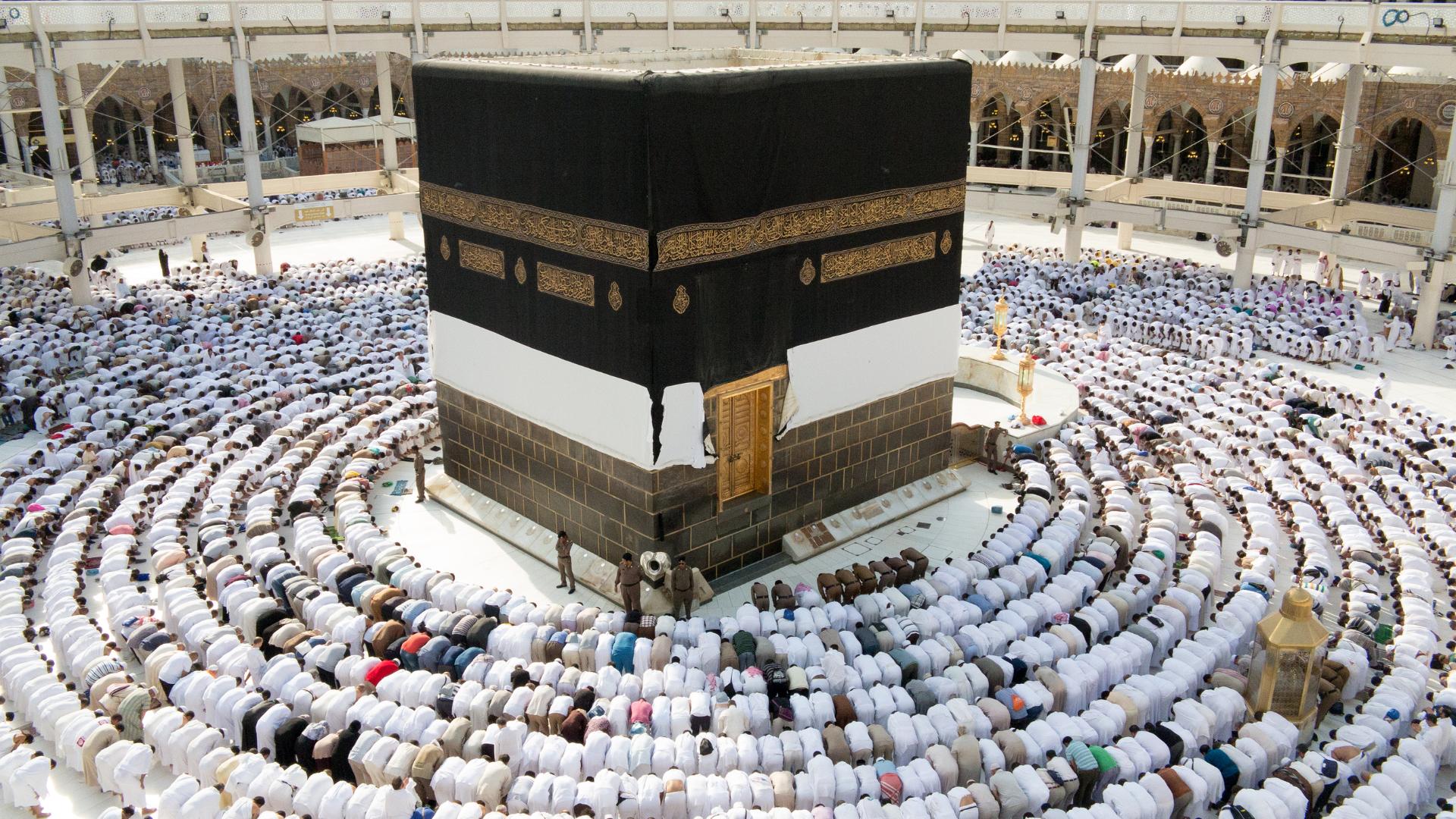
This foundational status is explicitly captured in a well-documented narration from Abdullah ibnUmar, who reported that the Prophet Muhammad outlined the architecture of the faith with a vivid metaphor. The Prophet stated that Islam has been built upon five core pillars: testifying that there is no god but Allah and that Muhammad is His Messenger, establishing the regular prayers, paying the obligatory charity known as zakah, making the pilgrimage to the Sacred House, and fasting during the month of Ramadan.
By grouping the pilgrimage alongside the daily prayers, annual fasting, and foundational creed, the prophetic tradition cements Hajj not as a peripheral recommendation, but as an essential duty for those who possess the means and capacity to undertake it.
The Wisdom of Once-in-a-Lifetime Obligation
Given the immense spiritual rewards and foundational status associated with the pilgrimage, questions often arise regarding its frequency and accessibility. Despite the profound significance attached to Hajj, Islamic jurisprudence and prophetic precedent establish that a Muslim is only required to perform the pilgrimage once in their entire lifetime. This ruling underscores a core characteristic of the faith: its profound ease and consideration for the physical, emotional, and financial challenges that pilgrims inevitably encounter.
The wisdom behind this limitation is recorded in an incident involving Abu Hurairah, who narrated that the Prophet Muhammad once addressed the community, urging them to fulfill their obligation. "O people! Allah has prescribed Hajj upon you, so perform it," the Prophet proclaimed.

In response, a man stood up and asked a question that would carry legislative weight for generations: "Every year, O Messenger of Allah?"
The Prophet initially remained silent. When the man repeated his query three times, the Prophet provided a definitive answer that protected the community from undue hardship. He explained that had he answered in the affirmative, the pilgrimage would have become an obligatory yearly requirement, a burden that would have far exceeded the collective capacity of the believers.
Following this, the Prophet offered a broader advisory regarding excessive questioning on matters where specific legislation had not been revealed. He cautioned that past communities had suffered ruin due to an excess of questioning and their subsequent disagreements with their prophets. He instructed his followers to carry out commands to the best of their ability and to strictly avoid what had been forbidden, establishing a principle of balance and mercy that defines the practice of Hajj to this day.
A Special Rank and Value Among Good Deeds
The companions of the Prophet Muhammad were famously eager to understand the hierarchy of righteous deeds, frequently seeking guidance on which actions held the greatest weight in the sight of the Creator so they could properly prioritize their spiritual efforts.
In another narration from Abu Hurairah, the Prophet was directly asked to identify the best possible deed a believer could perform. Without hesitation, the Prophet placed belief in Allah and His Messenger at the very summit of human endeavor. When asked what ranked second, he pointed to striving, or jihad, in the cause of Allah.
When the questioner pressed further to discover what followed in third place, the Prophet designated Hajj mabroor—a pilgrimage that is accepted by Almighty Allah, performed with sincerity, and untainted by sin—as one of the highest and most meritorious achievements available to a believer. This elevation of the pilgrimage among the vast panoply of Islamic good deeds reinforces the extraordinary spiritual return promised to those who undertake the journey with a pure heart and a sincere desire to draw closer to the Divine.