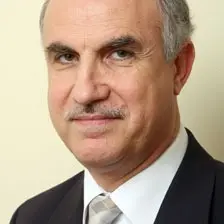
By Faris Couri, editor of the BBC Arabic Service
It is no secret that the seismic political shifts of the recent Arab uprisings have placed enormous and unprecedented burdens on the shoulders of BBC Arabic journalists. These are the dedicated men and women responsible for reporting complex, fast-moving, and often perilous news from across the region to a global and domestic audience hungry for the truth.
Covering the contemporary Arab world is rarely an easy or straightforward task. It requires a delicate, highly professional mix of sensible caution and a steady dose of moral and physical courage. Journalists operating in these environments must navigate political issues that routinely attract deeply disputed, polarized, and passionate views among Arabic-speaking audiences.
Throughout these turbulent times, our guiding principles remain firmly rooted in the BBC’s core values, its rigorous editorial guidelines, and its strict ethical code. These standards serve as our vital reference points to maintain impartial, balanced, and accurate reporting, ensuring that our journalism remains a beacon of reliability when it is needed most.
Across the length and breadth of the Arab world—whether it is reporting from the streets of Tunisia, Yemen, Egypt, Libya, Bahrain, Syria, Iraq, or the many other nations experiencing profound transformation—we know that audiences desperately want access to objective and independent news. They are searching for coverage that is far removed from any partisan agenda that favors one political party, religious denomination, or social sect over another. That fundamental desire for unvarnished truth is precisely why millions of viewers, listeners, and digital users are turning to BBC Arabic.
The impact of this unwavering commitment to impartiality is clearly reflected in our latest performance metrics. Last year, overall audiences to BBC Arabic rose by more than 17 percent, surging to a record-breaking high of 25.3 million adults tuning in on a weekly basis. This phenomenal growth includes a massive expansion of our footprint in key regional markets, highlighted by a dramatic surge of 2.9 million additional weekly viewers in Saudi Arabia and 2.7 million in Egypt. In these crucial nations, television viewers in particular turned to the BBC to better understand the rapid, historic events happening in their own neighborhoods and countries.
At the same time, our traditional radio audiences are holding up remarkably well, demonstrating resilience even in the face of broader reductions in transmission infrastructure. Meanwhile, the digital space is proving to be more of a complex challenge, but our teams are working hard to understand and meet the evolving needs of digital audiences. We recognize that online platforms and social media are playing an increasingly central and indispensable part in the daily lives of our audience members.
The real-world impact of our reporting has sometimes been visible in the most striking ways. In 2011, following the dramatic fall of the long-standing Mubarak leadership in Egypt, our teams watched as ordinary citizens took to the streets carrying banners featuring a direct and touching message: "Thank you, BBC!"
However, meeting the exceptionally high expectations of our global audiences carries a profound price, and sometimes that price has been a heavy and dangerous one for our staff on the ground.
The month of March 2011 brought a harsh and stark reminder of the extreme risks that our staff face daily while covering dangerous developing news stories. One of our courageous reporters was arrested, detained, and brutally tortured by the security forces of Muammar Gaddafi during the height of the Libya uprising. Not long after, in early 2012, our reporter stationed in Yemen was physically beaten and received direct death threats from supporters of the outgoing president for simply trying to report the facts.
In addition to physical dangers, we are constantly challenged by critics who strongly disagree with our editorial coverage. In deeply divided nations such as Syria and Bahrain, BBC Arabic has frequently been accused of political bias by various factions.
Crucially, this criticism does not come from just one side of the political spectrum; it comes from opposition groups and sitting governments alike. In the complex and polarized context of the Arab world, receiving pointed criticism from both sides of a conflict is often a strong indication that our coverage is remaining strictly balanced and independent.
Our coverage of the devastating civil war in Syria provides a clear example of this balanced approach. We produced a series of investigative and documentary features designed to look at the conflict from a wide variety of different perspectives.
The first documentary in the series explored what it is truly like to work day-to-day for a Syrian television channel that acts as the official mouthpiece of the government. That specific programme immediately became the target of sharp criticism and severe threats from Syrian opposition quarters. Demonstrating our commitment to balance, we quickly followed it up with a comprehensive programme charting a typical day in the lives of six Syrian women, five of whom were active anti-government protesters and activists.
In our day-to-day news coverage, presenting a rich and diverse variety of voices from inside Syria remains absolutely essential to our mission. That fundamental commitment to multivocality is what distinguishes BBC Arabic from many other media outlets operating across the region, which frequently promote narrow political views and partisan agendas. It is a standard of independence that we are determined to maintain, no matter the external pressures.
BBC Arabic officially marked its 75th anniversary in January, a major milestone that prompted prominent Arab politicians and ordinary citizens alike to express their deep appreciation for our long-standing track record of impartiality and trusted, credible news. Looking ahead, I am entirely confident that the coming years will see further professional achievements across all our broadcasting platforms—spanning television, radio, and the evolving digital and online space.