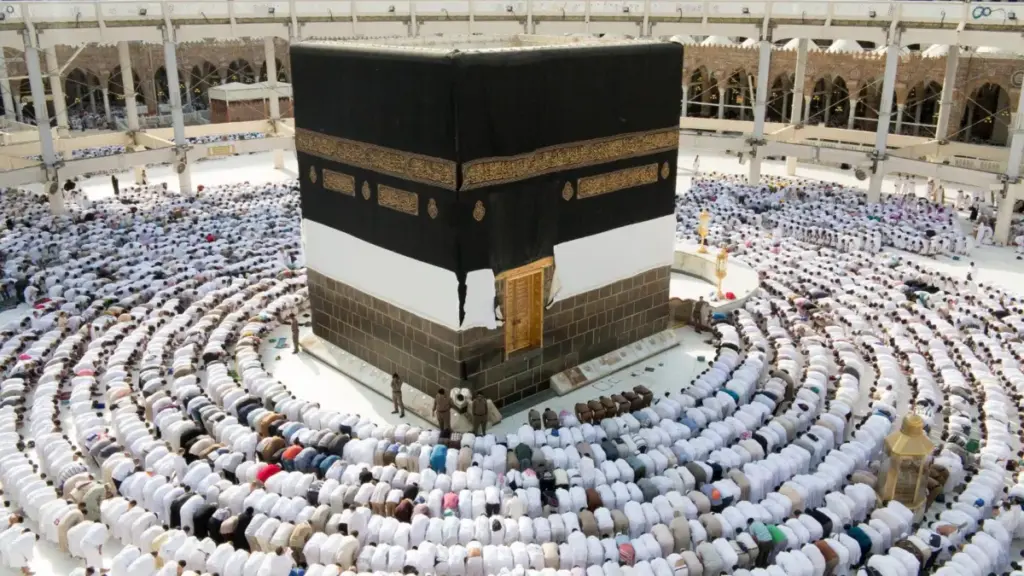
As the blessed season of Hajj draws near, millions of Muslims around the world are deep in preparation for their sacred journey, while others have already embarked on their travels toward the holy city of Makkah. This momentous undertaking represents a direct response to the divine invitation of Allah to visit His Sacred House—an invitation first announced by Prophet Ibrahim and subsequently renewed by Prophet Muhammad, peace be upon both of them.
For Muslims globally, this annual pilgrimage is not merely a physical journey, but a profound spiritual homecoming that brings together believers of diverse backgrounds, races, and nationalities in a unified demonstration of faith and devotion. Yet, amid the logistical preparations and emotional anticipation, the fundamental question remains: why is Hajj holds such an irreplaceable, supreme importance within the Islamic faith?
To fully understand how Muslims perceive Hajj and why they hold it so deeply dear, one must look to the authoritative traditions and sayings of Prophet Muhammad, peace and blessings be upon him. These traditions illuminate the spiritual dimensions, legal framework, and ultimate standing of the pilgrimage within the broader context of Islamic worship.
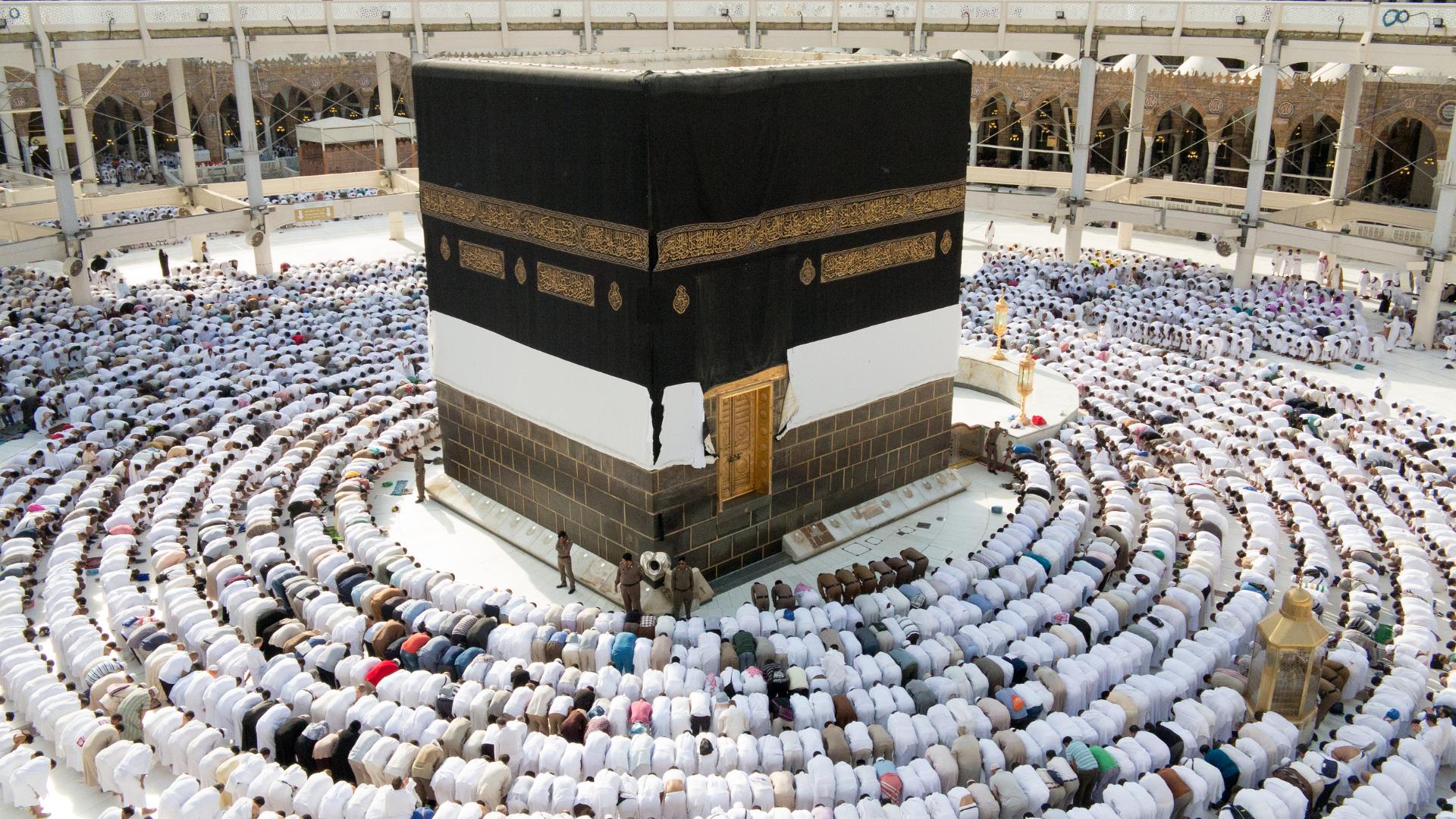
A Foundational Pillar of Islam
Among the vast and diverse array of rituals, duties, and ethical frameworks that define the Islamic way of life, Hajj stands out as a core component. It is not an optional spiritual retreat or a recommended cultural observance; rather, it is an indispensable pillar upon which the entire structure of the religion rests.
This foundational status is explicitly captured in a well-documented narration by Abdullah ibnUmar, may Allah be pleased with them both, who reported that the Prophet, peace and blessings be upon him, described the architecture of the faith with a vivid metaphor. The Prophet stated that Islam has been built upon five central pillars: testifying that there is no god but Allah and that Muhammad is His Messenger, establishing the daily ritual prayers, paying the obligatory charity known as zakah, making the pilgrimage to the Sacred House, and fasting during the holy month of Ramadan.
By categorizing the pilgrimage alongside the declaration of faith, daily prayer, zakah, and fasting, this tradition underscores that Hajj is non-negotiable for those who possess the physical and financial capability to undertake it. It binds the global community of believers to the historical traditions of the prophets, cementing a continuous chain of devotion that stretches back millennia.
Designed for Ease: A Once-in-a-Lifetime Obligation
Despite the immense spiritual significance, grandeur, and transformative power of Hajj, Islamic jurisprudence reflects a profound divine mercy regarding its frequency. Recognizing the physical toll, logistical hurdles, and financial strains associated with international travel and ritual execution, Islamic law mandates the pilgrimage only once in a person’s entire lifetime.

This balance between obligation and divine ease is illustrated in a narration involving Abu Hurairah, may Allah be pleased with him. He recounted that the Prophet, peace and blessings be upon him, once addressed the gathered community, urging them to fulfill the duty that had been prescribed for them. In response to the general command, a man stood up and asked a direct question: "Every year, O Messenger of Allah?"
The Prophet remained silent upon hearing the inquiry. When the man repeated his question three distinct times, the Prophet explained the wisdom behind his initial silence, stating that had he answered in the affirmative, Hajj would have become a mandatory yearly obligation, creating a burden far beyond the collective capacity of the community.
Following this clarification, the Prophet offered broader guidance regarding religious inquiries, advising his followers not to overcomplicate matters that had not been explicitly mandated. He noted that previous nations had faced destruction due to their excessive questioning and continuous disputes with their prophets. Consequently, he instructed the believers to execute commands to the absolute limit of their personal ability and to entirely avoid whatever was forbidden. This narration serves as a crucial theological reminder that Islamic obligations are calibrated to human capacity, ensuring that sacred duties remain accessible rather than oppressive.
A Special Rank and Value Among Good Deeds
In the early days of Islam, the Companions of the Prophet were deeply eager to identify and prioritize the most virtuous actions, ensuring they dedicated their time and energy to deeds of the highest spiritual value. Their persistent inquiries yielded profound insights into how various acts of worship rank in the sight of the Creator.
In another narration featuring Abu Hurairah, the Prophet was asked directly about the best possible deeds a believer could perform. The Prophet responded that the highest deed is true belief in Allah and His Messenger. When asked what level of action follows that foundational belief, the Prophet identified striving—or jihad—in the cause of Allah. When pressed further to name the next highest virtue, the Prophet designated Hajj mabrour—referring to a pilgrimage that is sincerely performed, accepted by Almighty Allah, and free of sin or ostentation.
This categorization places an accepted pilgrimage among the highest echelons of righteous deeds in Islam, trailing only foundational faith and dedicated striving in the divine path. For the millions currently preparing to journey toward Makkah, these traditions provide a powerful framework of understanding, framing their physical hardships and spiritual aspirations within a rich, historic lineage of prophetic guidance that continues to guide the global Muslim community.