Across the African continent, a profound shift is underway in how large-scale public works and socially beneficial ventures are being financed. Increasingly, governments and financial institutions are turning to sukuk—often referred to as Islamic bonds—to bridge critical infrastructure gaps while ensuring a higher degree of transparency and fiscal accountability than traditional debt instruments can offer.
Far from being merely an alternative financial product, sukuk are actively transforming the economic landscape. By being issued in local currencies, these instruments are helping nations mobilize domestic capital, reduce foreign exchange risks, and direct investments squarely toward tangible development goals that touch the everyday lives of citizens.
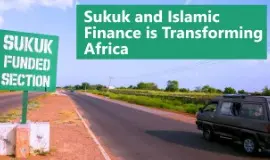
The practical impact of this financial mechanism is perhaps nowhere more evident than in Nigeria, where the federal government has repeatedly utilized sovereign sukuk issuances to tackle infrastructural deficits. A notable milestone occurred with a 2017 sovereign issuance valued at 100 billion naira, which was met with overwhelming demand from the market and finished heavily oversubscribed. Building on that early success, the Federal Government of Nigeria has continued to issue successive tranches of sukuk. The proceeds generated from these issuances have been systematically channeled into the construction, rehabilitation, and completion of 28 major road projects spanning various regions of the country, directly addressing critical transportation bottlenecks and boosting regional commerce.
Financial experts and industry leaders point to the unique structural mechanics of sukuk as the primary driver behind their growing popularity and success in funding public goods. Hassan Usman, a prominent voice in the sector, has outlined the fundamental differences that give sukuk a distinct advantage in compliance, operational integrity, and resistance to financial malfeasance when compared to conventional government bonds.
At the heart of the matter is the intrinsic link between the capital raised and the physical asset being developed. Unlike conventional sovereign bonds—which essentially represent general government debt that can sometimes be vulnerable to inefficiency or misallocation—a sukuk structure demands a direct connection to a tangible economic undertaking.
As Usman explains, the foundational requirement of a sukuk is that the project must be fully executed and tied to a specific, beneficial asset, such as the establishment of a modern highway or an educational institution. Once constructed, this asset is typically structured through a lease arrangement. The facility generates revenue—such as road tolls—which is then collected and returned as legitimate returns to the investors who funded the venture.
This asset-backed or asset-based nature creates a robust safeguard against corruption and the loss of public funds. In the case of a traditional bond, funds are borrowed by the state, and even if the capital is severely wasted or mismanaged through bureaucratic inefficiency, the government remains legally obligated to repay the full debt from general taxation or future revenues, often leaving the public saddled with liabilities while no infrastructure asset has actually been developed on the ground.
Conversely, a sukuk must be put to immediate, practical use because the financial architecture of the instrument strictly prohibits the diversion of raised capital. The funds generated through a sukuk cannot legally or operationally be redirected for any purpose other than the specific, pre-approved project for which they were raised. This rigid compliance framework ensures that every monetary unit is accounted for, tying financial returns directly to physical progress and operational success.
As African nations continue to grapple with infrastructure financing challenges, the proven model of sukuk offers a compelling blueprint. By marrying capital market efficiency with strict ethical and structural safeguards, these financial instruments are proving to be powerful catalysts for sustainable development across the continent.