November 17, 2026
The political landscape in the United Kingdom experienced a dramatic and turbulent turning point following a weekend of intense demonstrations, political posturing, and public disorder in central London. Weeks of mounting tension regarding public assemblies reached a critical climax when then-Home Secretary Suella Braverman’s hardline rhetoric against widespread pro-Palestine demonstrations spectacularly backfired, culminating in chaotic scenes as far-right counter-protesters descended upon Whitehall and engaged in violent clashes with police near the Cenotaph.
For weeks leading up to the events, the nation’s capital had been the focal point of immense public mobilization. Hundreds of thousands of demonstrators had taken to the streets of London and other major UK cities to voice their solidarity with the Palestinian people, calling for an immediate ceasefire and demanding an end to the humanitarian crisis unfolding in Gaza. These large-scale public marches, characterized by participants as peaceful displays of solidarity and human rights advocacy, became the subject of intense scrutiny from senior government figures.
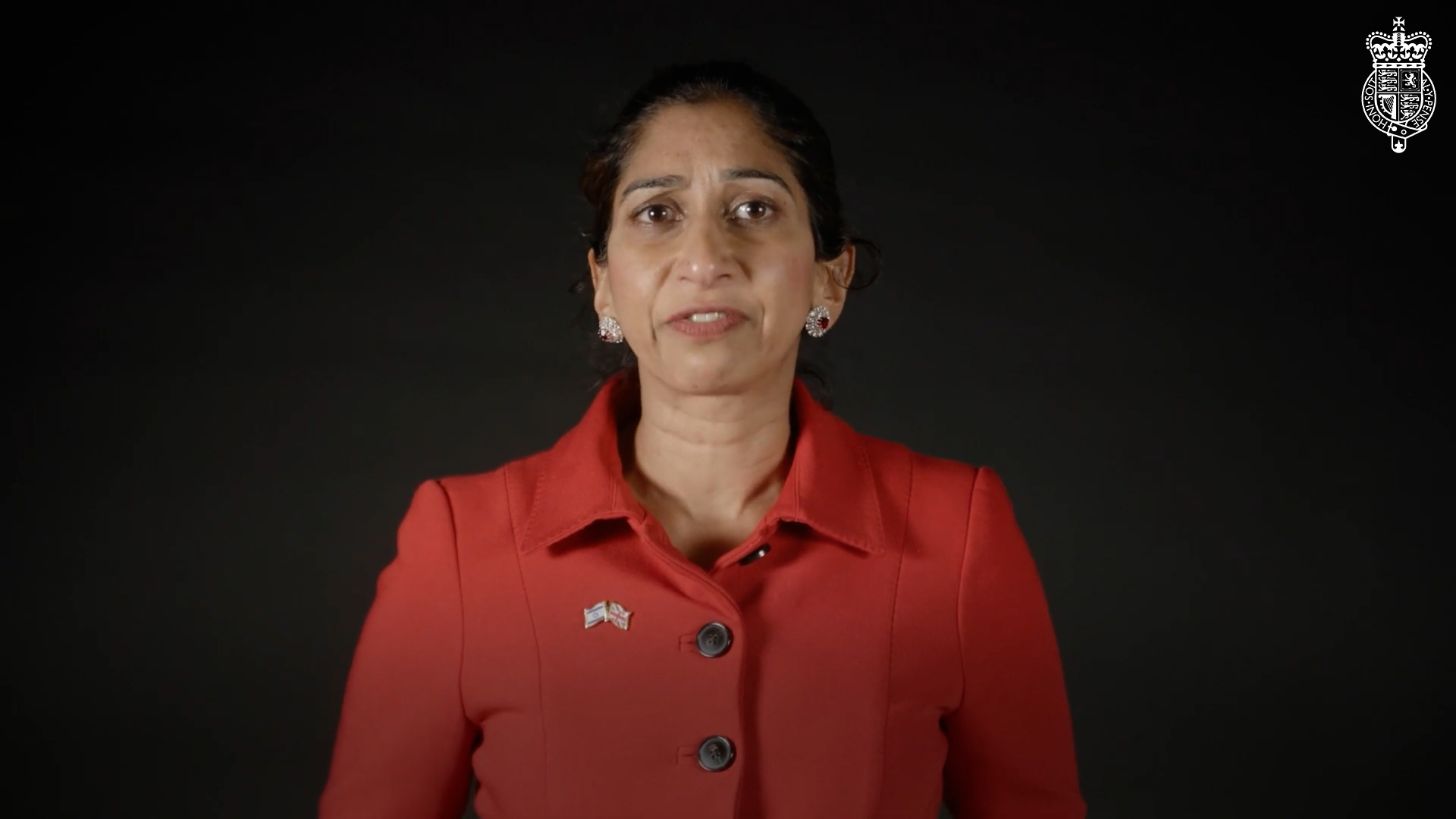
Among the most vocal critics of these demonstrations was the Home Secretary, Suella Braverman. In the weeks preceding the clashes, Braverman repeatedly targeted the public gatherings in her public statements and media appearances. She characterized the weekly marches in highly inflammatory terms, labeling them pejoratively and attempting to link the peaceful mass participation of diverse communities with extremism and public disorder. Her rhetoric drew sharp condemnation from civil liberties organizations, community leaders, and political opponents, who argued that her deliberate framing was inflammatory, deeply divisive, and designed to curtail the fundamental right to peaceful assembly and free expression.
Despite repeated warnings from policing bodies, civil society groups, and community organizers that her hostile rhetoric risked inflaming community tensions and emboldening extremist elements, the Home Secretary maintained her hardline stance. She ratcheted up pressure on the Metropolitan Police, publicly questioning their operational independence and accusing law enforcement of demonstrating a supposed "double standard" in how they handled different types of public demonstrations. Braverman demanded a much heavier-handed approach from the police, intensifying the pressure on officers tasked with maintaining public order during an already volatile period.

However, the political narrative championed by the Home Secretary suffered a catastrophic collapse when the focus of the unrest shifted dramatically. Rather than the pro-Palestine marches causing the large-scale public disorder that government officials had repeatedly warned about and attempted to preempt, it was the mobilization of far-right groups that plunged central London into chaos.
On the day of the demonstrations, groups of far-right activists, football hooligans, and counter-protesters—many of whom had been galvanized by the weeks of heated political rhetoric surrounding patriotism, heritage, and national monuments—descended upon Whitehall. Ignoring police instructions and breaking through containment lines, these elements converged near the Cenotaph war memorial. Tensions quickly escalated into physical violence as individuals from the far-right factions launched aggressive attacks against police officers who were deployed to maintain order and protect public safety.
Footage and eyewitness accounts from the scene captured chaotic battles on the streets surrounding the historic war memorial, with police officers being pelted with missiles, subjected to physical abuse, and forced to form defensive lines to repel the aggressive crowds. The violent outbursts directly contradicted the central thesis of the Home Secretary’s public safety warnings, which had consistently sought to portray pro-Palestine demonstrators as the sole threat to public order and the sanctity of national symbols.

The immediate fallout from the events at Whitehall saw political pressure mount exponentially on Suella Braverman. Critics, opposition politicians, and members of the public quickly pointed out the profound irony and political hypocrisy of a Home Secretary who had spent weeks stoking cultural divisions and warning of imminent public disorder, only to preside over a situation where far-right extremists wreaked havoc in the heart of government.
Public figures and commentators echoed the widespread sentiment of accountability, asking pointedly whether the Home Secretary intended to take responsibility for the breakdown in public order that her own rhetoric had arguably catalyzed. The sharp question, "Did you forget your resignation letter, Home Secretary?", quickly became a rallying cry for critics demanding her immediate departure from office over her handling of policing, public safety, and community relations.
The events of that weekend highlighted deep fractures within the UK’s political establishment regarding freedom of expression, the role of policing in a democratic society, and the dangerous consequences of partisan rhetoric targeting minority and solidarity movements. As investigations into the disorder at the Cenotaph continued, the political damage sustained by the Home Secretary proved to be a defining moment of that political era, illustrating the volatile intersection of government rhetoric, far-right mobilization, and the challenges facing law enforcement on Britain’s streets.