For many people across the United Kingdom, the arrival of summer is a moment eagerly anticipated throughout the entire year. While the British climate can notoriously fluctuate between unexpected heatwaves and unpredictable showers, the warmer months still hold a special place in the hearts of those who cherish the outdoors. For countless individuals, the season represents a much-needed mental reset, driven by the simple yet profound joy of morning sunshine and the physiological lift it provides as soon as the day begins.

Longer daylight hours naturally foster a sense of heightened energy and elevated mood. The extended evenings offer a welcome departure from the dark, cold mornings of winter, creating opportunities for families to reconnect and unwind. For parents, summer means managing the school holidays, keeping children entertained, and navigating the chaotic yet rewarding tasks of family life—ranging from managing backyard paddling pools to planning impromptu picnics in local parks and enjoying peaceful evening walks as the temperature finally cools down.
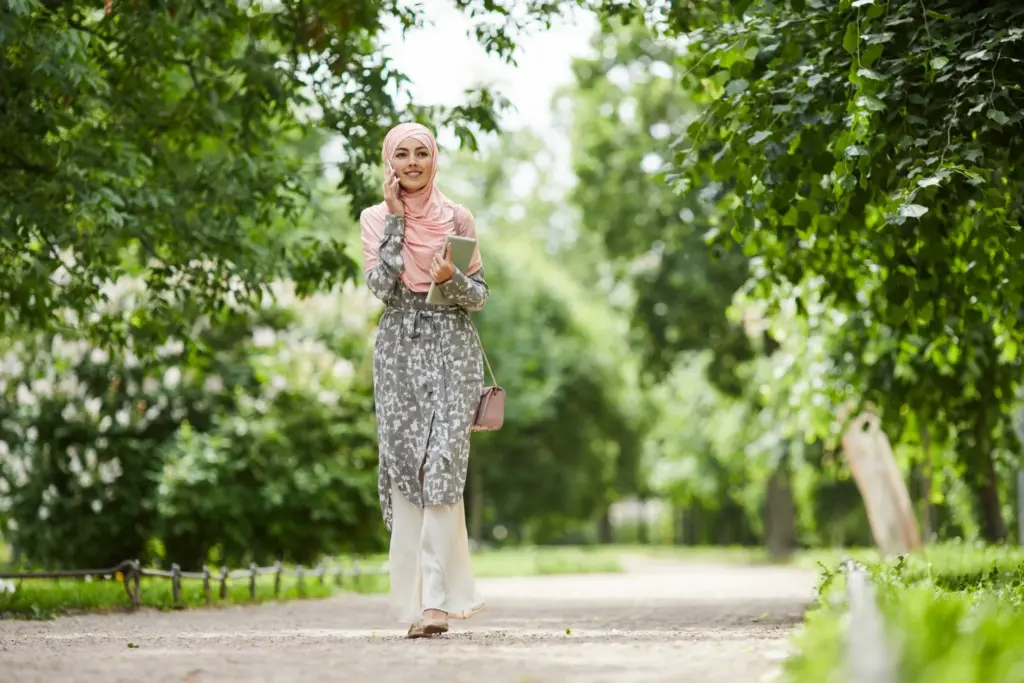
These quintessential summer experiences form the backdrop of the season for families across the country. However, experiencing the warmer months while observing the hijab introduces a distinct set of physical and practical considerations. Balancing personal faith and modesty with rising temperatures is an experience shared by millions of Muslim women, blending genuine appreciation for the season with the minor, often humorous frustrations that come with dressing for the weather while covered.

As the late spring bank holiday approaches and public attention turns toward the gradual easing of pandemic-era restrictions—amid shifting health guidance and public policy discussions—many are planning how to spend the long weekend. Whether people choose to reunite cautiously with friends and family or remain within their immediate households, the seasonal transition brings familiar lifestyle adjustments. Amid these broader social backdrops, the seasonal realities of wearing a hijab during peak sunlight hours offer a relatable point of connection and lighthearted reflection for many women.
The physical experience of wearing layers of fabric, headscarves, under-caps, and pins in high temperatures requires a certain level of adaptation. While the visual aesthetic of summer fashion—lightweight linens, flowing fabrics, and vibrant colors—complements the season, achieving comfort while maintaining personal religious observances involves navigating everyday inconveniences. From managing fabric choices to dealing with unexpected sun exposure patterns, the season brings unique dynamics to daily routines.

Despite these minor hurdles, the overarching sentiment among many hijab-wearing women remains deeply positive. The seasonal shift does not diminish the profound personal connection individuals feel toward their faith and their choice to wear the hijab. Instead, the challenges are often met with humor, resilience, and a strong sense of community among those who share similar experiences.
The warmth of the summer sun, the rustling of leaves in the park during an evening stroll, and the vibrant atmosphere of community gatherings continue to outweigh the seasonal inconveniences. As communities across the UK step outside to enjoy the long-awaited sunshine, the balance between personal comfort and cultural identity remains a familiar, manageable part of daily life. The enduring appreciation for summer’s brighter days persists, rooted in gratitude and the simple pleasures of the season.