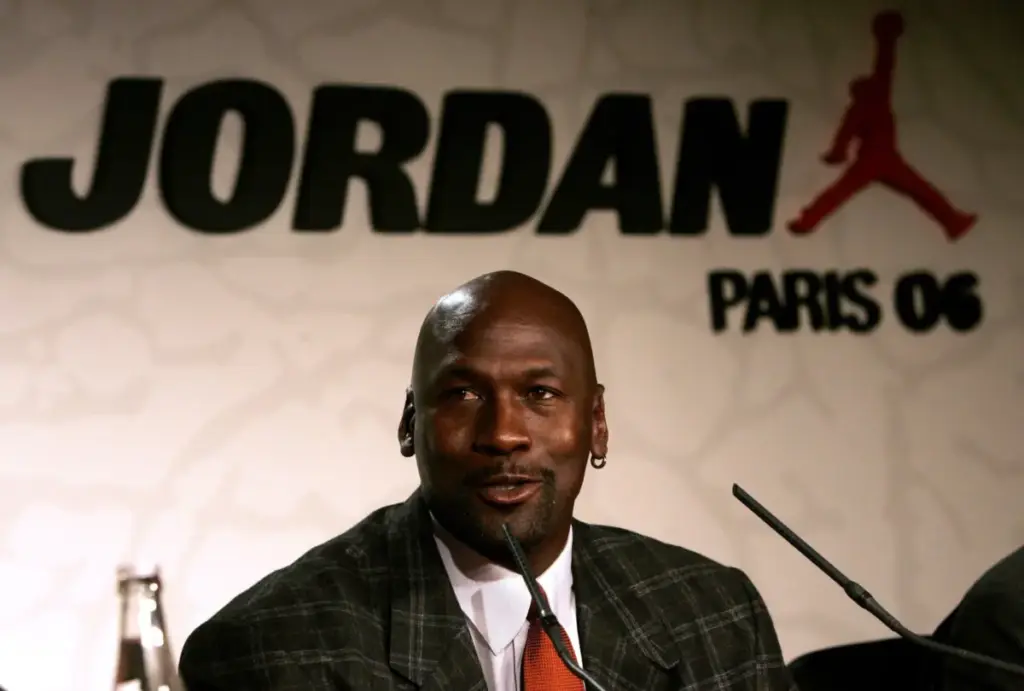
Michael Jordan’s playing career in the National Basketball Association officially came to a close more than two decades ago, yet the basketball icon continues to command an annual income at a level that very few active athletes can even hope to match today. This modern economic reality highlights the fundamental distinction that separates the highest-paid athletes in history from those who merely collected the most lucrative salaries during their time on the field, court, or course. The all-time money leaders in professional sports have successfully transcended their athletic achievements, transforming sporting success into global consumer brands, massive endorsement empires, and expansive business ventures that continue to generate staggering amounts of revenue long after their competitive days have ended.
Comprehensive career-earnings estimates compiled by Sportico, which have been adjusted for inflation through the end of 2025, place Jordan firmly at the absolute top of the historical list with an astounding total of roughly $4.5 billion. Following closely behind him are Tiger Woods, Cristiano Ronaldo, LeBron James, and Lionel Messi, who form an elite second tier of wealth generation. Each of these legendary figures has accumulated at least approximately $2 billion in inflation-adjusted career earnings, showcasing the immense commercial power of global sports icons.
These comprehensive figures encompass a wide array of revenue streams, including playing salaries, performance bonuses, tournament prize money, and tournament purses, alongside endorsement income, licensing fees, royalties, public appearance fees, memorabilia sales, media deals, and other sports-related business earnings. Generally speaking, these totals are calculated before the deduction of taxes and agent fees, while traditional investment income earned outside of sports partnerships is typically excluded from the primary calculations.
Jordan’s Commercial Legacy Towers Over the Field
When looking at the raw numbers, Jordan’s estimated inflation-adjusted career earnings of about $4.5 billion tower significantly over his roughly $3.28 billion in nominal terms. While his remarkable career featured six NBA championships and five Most Valuable Player awards, cementing his status as one of the most recognizable and universally admired athletes in human history, it was his unprecedented commercial success that truly catapulted his career earnings into a league of their own.
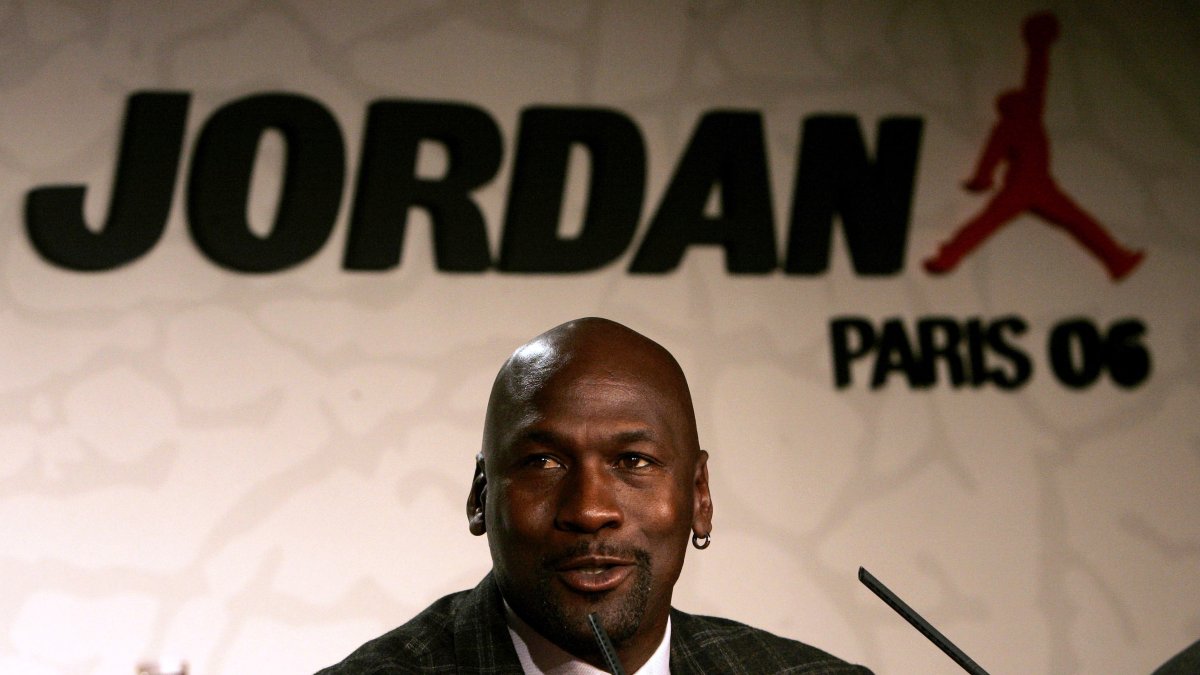
The foundational stone of this financial empire was laid in 1984 through his historic partnership with Nike. This collaboration eventually birthed the iconic Air Jordan brand, a cultural and commercial juggernaut that reshaped the athletic footwear industry forever. Decades after Jordan laced up his sneakers for his final professional NBA season, he continues to pull in substantial, multi-million-dollar royalty income from the business, proving that his personal brand possesses generational staying power.
Beyond his historic footwear partnership, Jordan has maintained involvement in a diverse range of commercial ventures and strategic investments. These have included his former majority ownership stake in the Charlotte Hornets franchise, a significant equity stake in DraftKings, and high-profile ownership involvement with a competitive NASCAR team. According to Sportico’s financial metrics, Jordan raked in an estimated $275 million in the single calendar year of 2025 alone—a breathtaking sum for an athlete who hung up his basketball jersey back in 2003.
Woods Built a Golf Fortune That Survived His Peak
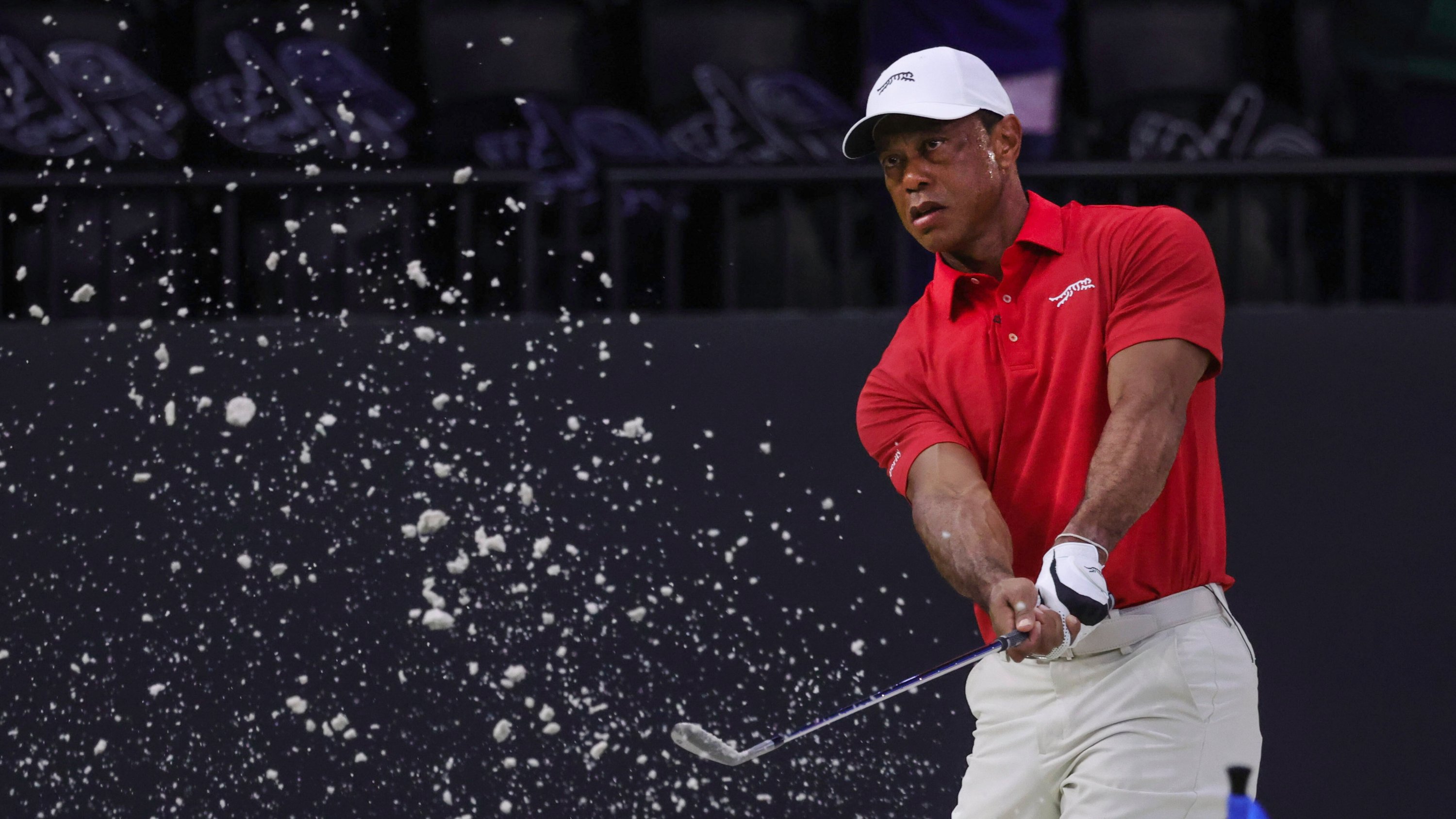
Ranking second on the prestigious inflation-adjusted list is golfing great Tiger Woods, who commands approximately $2.88 billion in total career earnings, with his nominal career earnings estimated at roughly $1.97 billion.
Woods captured 15 major championships and secured 82 PGA Tour victories, achievements that established him permanently as one of the defining figures in the history of golf. His unprecedented run of dominance coincided precisely with a period of massive, explosive growth in global sports sponsorships and television rights. This favorable timing allowed him to successfully leverage his unparalleled success on the golf course into a sprawling, global commercial operation.
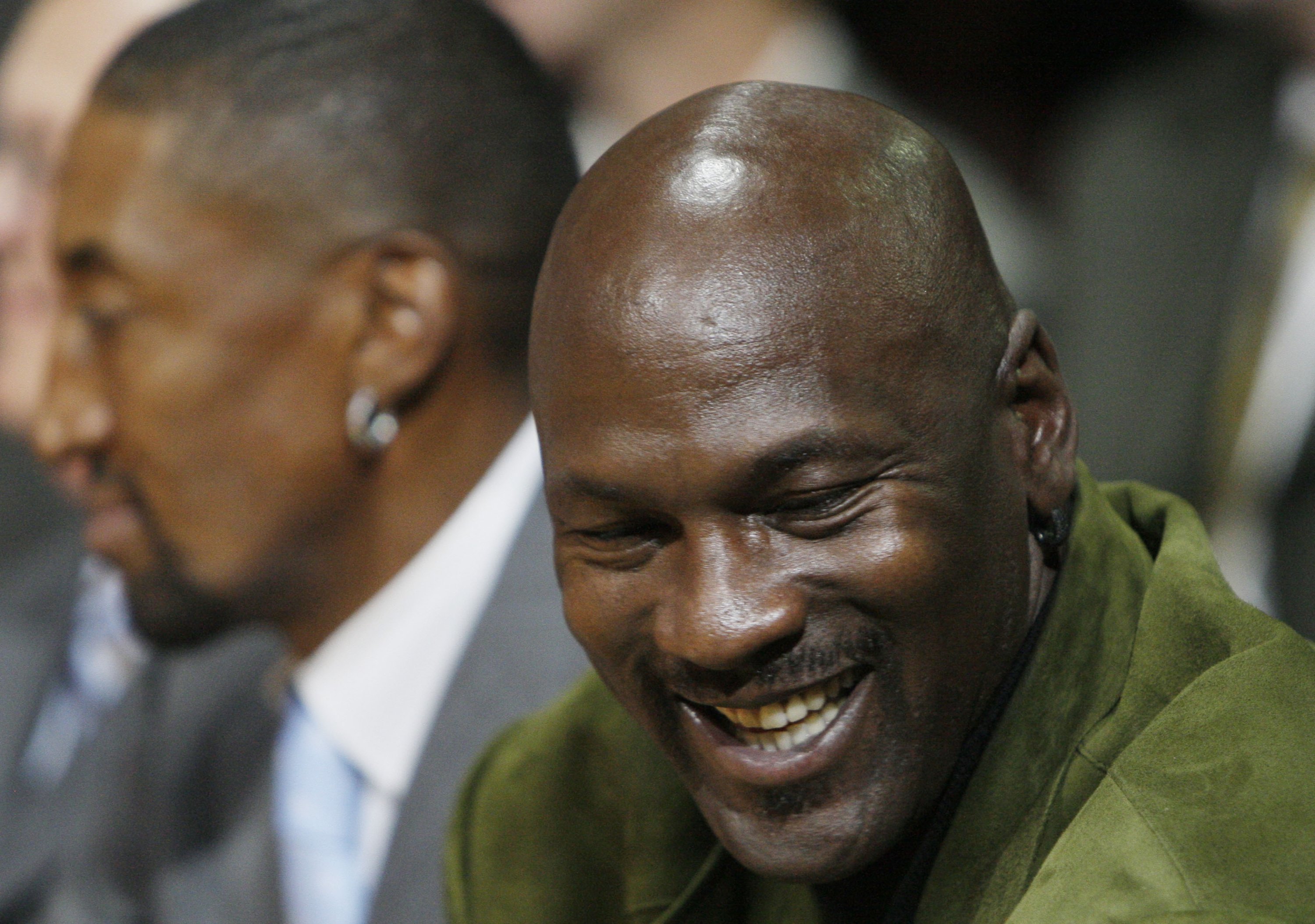
His long-running, highly lucrative relationship with Nike became one of the most famous and financially rewarding athlete endorsement partnerships in the history of sports marketing. Furthermore, Woods has maintained major, long-term deals with elite global brands including Rolex and Hero MotoCorp. Venturing beyond simple endorsements, golf-course design projects and other private business ventures have consistently added to his substantial post-playing income. Much like Jordan, Woods has demonstrated an ability to generate significant commercial revenue even as his competitive tournament schedule has slowed down due to injuries and the passage of time.
Ronaldo Leads the Modern Generation
Among active competitors, Portuguese football icon Cristiano Ronaldo stands as the highest-paid active athlete on the all-time list, boasting inflation-adjusted career earnings of approximately $2.52 billion.
The Portugal captain’s illustrious career has seamlessly combined astronomical club playing salaries with the cultivation of one of the most powerful and far-reaching personal brands in global sport. His high-profile move to Saudi Arabia to play for Al-Nassr dramatically spiked his on-field income to historic highs, while a vast network of global endorsement agreements and his successful proprietary CR7 brand have ensured his off-field earnings remain securely at elite levels.
Recent data published by Forbes estimated Ronaldo’s total earnings at an incredible $300 million over the 12-month period covered by its ranking, which included about $235 million generated directly from on-field club income. During that same timeframe, Forbes recognized him as the single highest-paid athlete in the entire world. Ronaldo’s staggering earning power serves as a prime illustration of how modern global sports superstars can merge massive club contracts, elite corporate sponsorships, and personal entrepreneurial businesses on an unprecedented scale.
James and Messi Remain Close Behind
Basketball superstar LeBron James has closely followed the leaders, accumulating approximately $2.03 billion in inflation-adjusted career earnings over the course of his storied professional journey.
The Los Angeles Lakers icon has earned hundreds of millions of dollars in direct NBA playing salary while simultaneously constructing an even larger and more diversified commercial portfolio. According to Forbes, James has earned more than $1 billion pretax completely away from the basketball court through high-profile endorsements and strategic business ventures, anchored by his lifelong partnership with Nike. Moreover, James has frequently opted to secure equity positions in the companies he collaborates with, a notable example being his early involvement with Beats by Dre.
This astute business strategy led to James becoming the very first active NBA player to officially reach billionaire status, according to Forbes estimates, though financial analysts routinely note that net worth and career earnings represent distinct measurements of wealth.
Following right behind on the leaderboard is Argentine football maestro Lionel Messi, whose inflation-adjusted career earnings sit at roughly $1.99 billion.
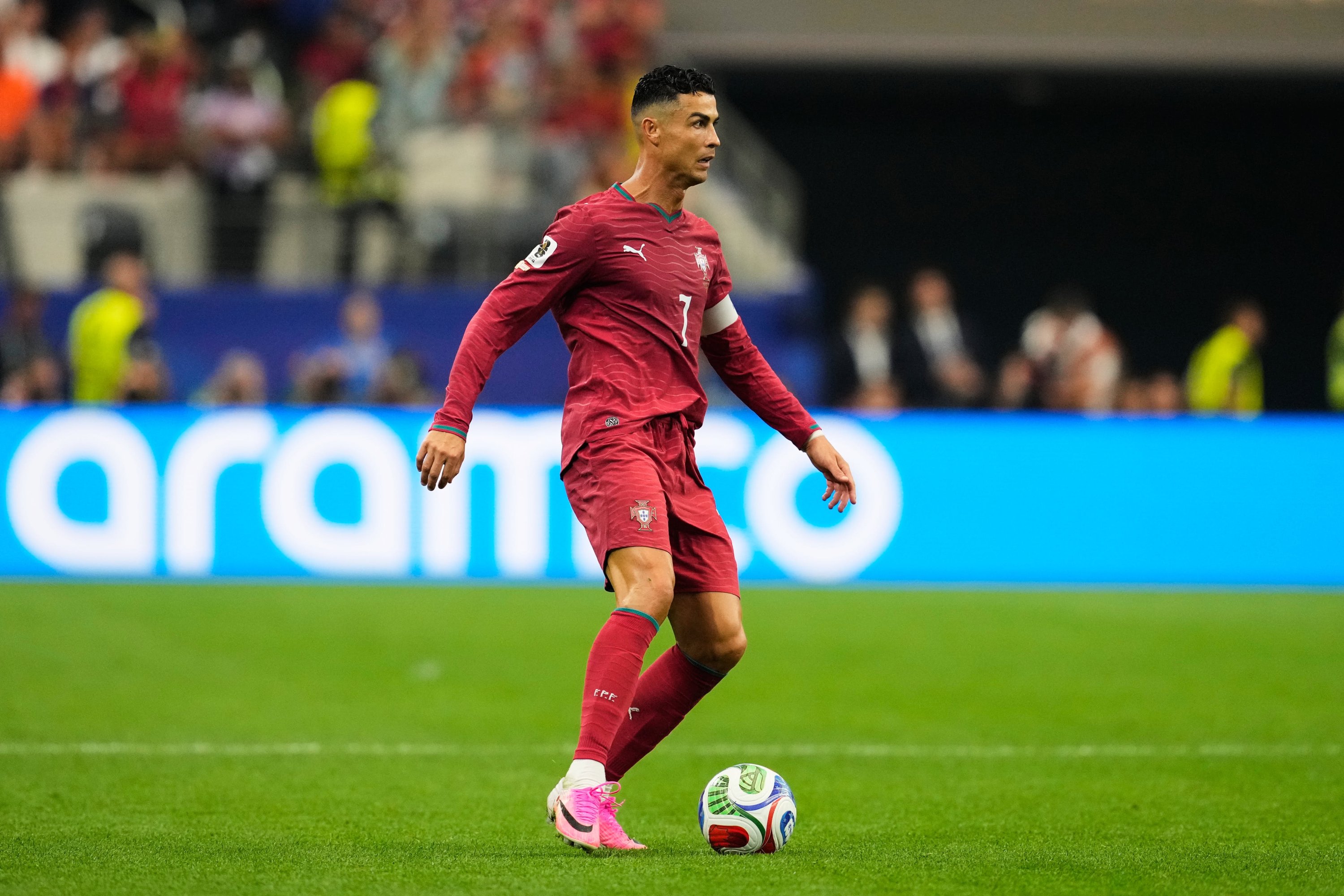
Messi’s incredible financial accumulation has been heavily driven by massive, record-breaking contracts during his legendary tenure at FC Barcelona, his subsequent stint with Paris Saint-Germain, and his landmark move to Inter Miami in Major League Soccer. This transition to the United States significantly expanded his commercial footprint and marketability in North America, complementing a robust portfolio of global endorsement agreements featuring powerhouse brands like Adidas.
Forbes estimated Messi’s total earnings at approximately $140 million in its annual ranking, with that revenue split fairly evenly between his on-field club compensation and his lucrative off-field commercial income.
The Rest of the Top 10
The broader inflation-adjusted top 10 list features several legendary sports figures whose commercial influence extended far beyond their active competitive careers, shaping the modern business of athletics.
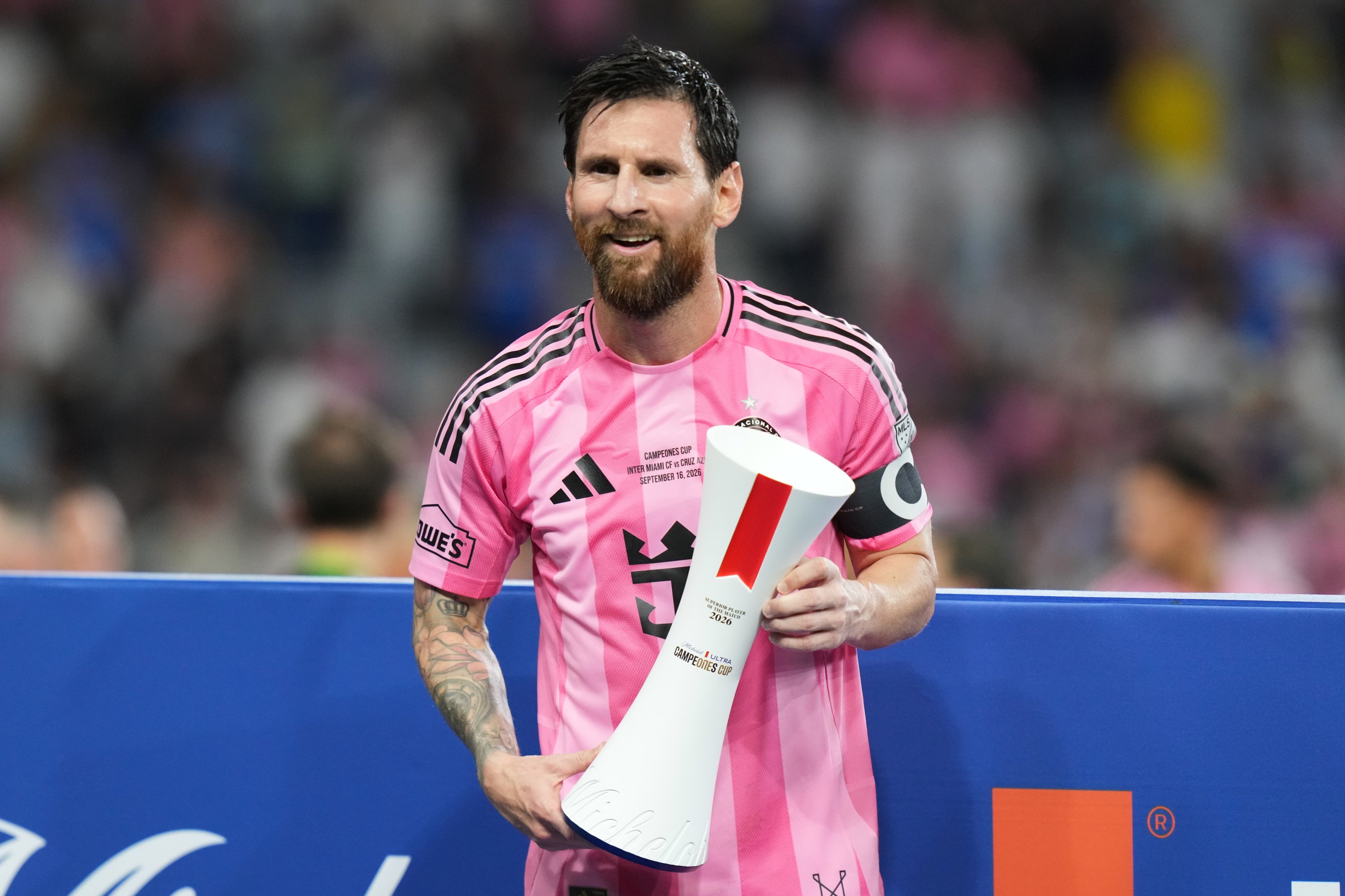
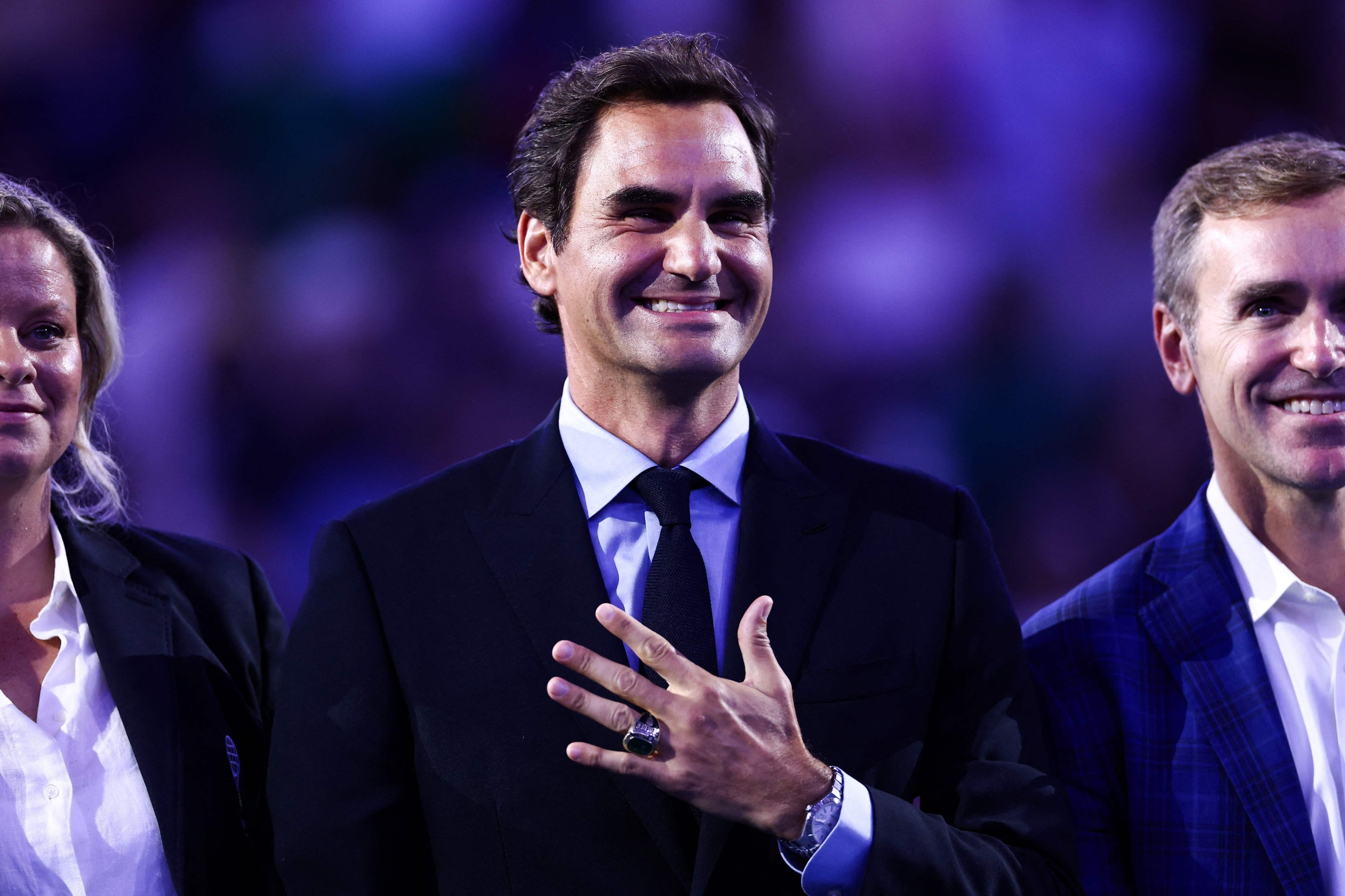
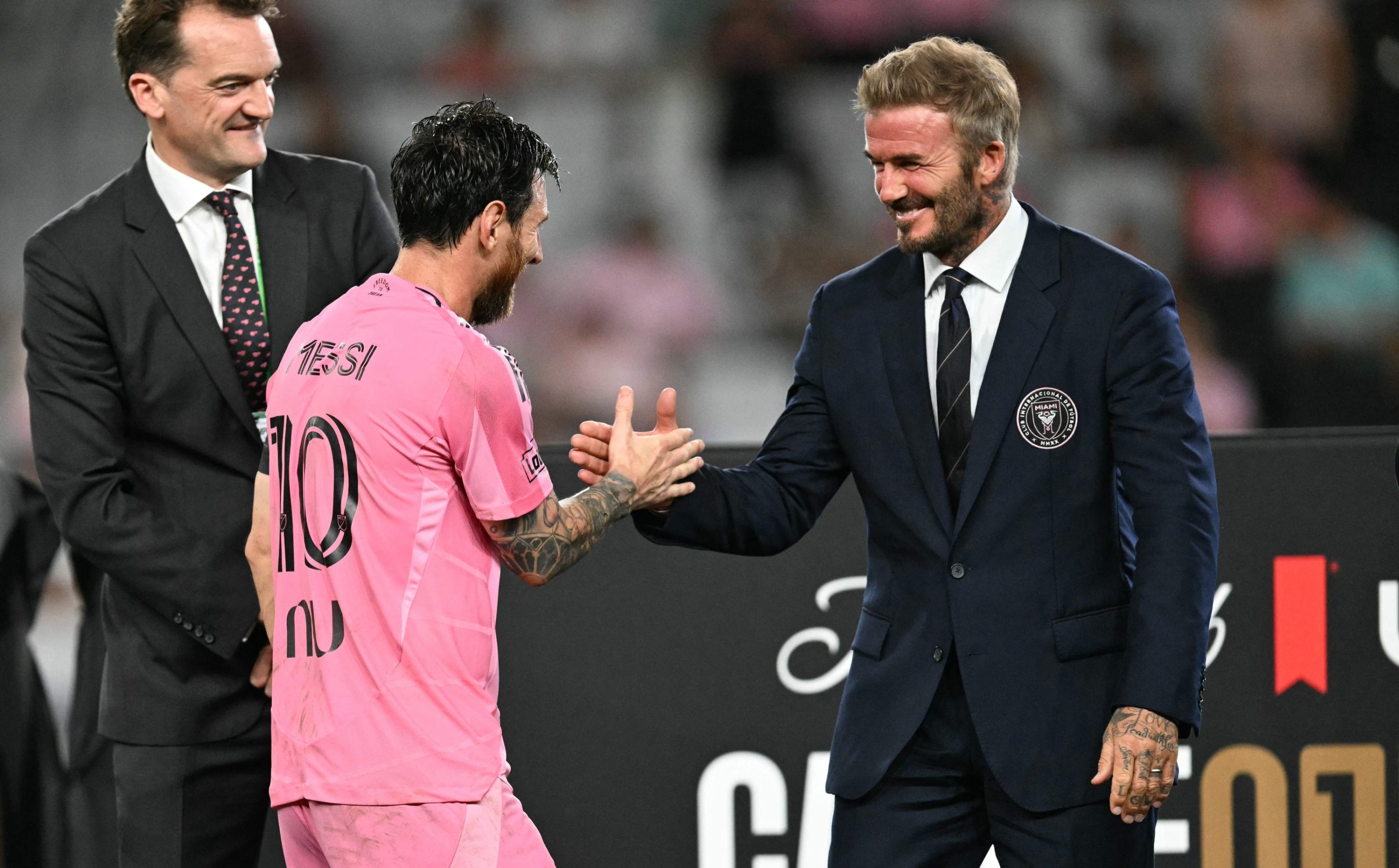
Golf pioneer Arnold Palmer ranks sixth on the all-time list at approximately $1.85 billion, closely followed by fellow golfing titan Jack Nicklaus at $1.83 billion. Football icon David Beckham occupies the next spot at about $1.68 billion, followed by tennis maestro Roger Federer at $1.67 billion and combat sports superstar Floyd Mayweather Jr. at approximately $1.57 billion.

This diverse grouping reflects the unique, sometimes unpredictable economics of professional sports. While some athletes accumulated their enormous fortunes primarily through direct playing salaries and tournament prize money, others generated the vast majority of their lifetime career earnings away from the competitive arena.
Golf has proven to be particularly prominent on this list because iconic stars like Palmer, Nicklaus, and Woods discovered how to effectively monetize their famous names and reputations through corporate endorsements, specialized course design, product licensing, and public appearances across multiple decades.
David Beckham successfully carved out a nearly identical path within international soccer, deliberately transforming his celebrated playing career into a recognizable global commercial brand. Roger Federer achieved the exact same feat in the world of tennis, where extensive, long-term endorsement income quickly evolved into the primary driver of his astronomical earnings.
Floyd Mayweather Jr.’s position on the list, however, stems from a distinctly different financial model. The individualized revenue structure of professional boxing allows elite, top-tier fighters to capture a much larger, more direct share of overall event revenue, with massive pay-per-view championship bouts generating unprecedented individual purses.
Career Earnings Tell a Different Story Than Annual Salaries
Understanding the fundamental distinction between annual earnings and cumulative career earnings is vital to interpreting the financial landscape of professional sports.
Annual rankings published by publications like Forbes measure what athletes pull in during a specific, isolated 12-month window. Conversely, career earnings rankings compiled by firms like Sportico accumulate all financial inflows over the entire professional life of an athlete and subsequently adjust historical figures for inflation to ensure an equitable comparison.
This structural difference explains why several retired athletes continue to hold prominent positions near the very top of an all-time list compiled decades after their final games.
Icons like Arnold Palmer and Jack Nicklaus competed during an entirely different financial era in professional sports, when team salaries, prize funds, and corporate endorsement contracts were vastly smaller in nominal terms. Adjusting their historical earnings to account for inflation provides a much clearer, more accurate comparison with athletes competing in today’s exponentially larger global sports economy.
Historical annual rankings also vividly demonstrate how rapidly the business of professional sports has expanded over the past decade. In 2013, for instance, Tiger Woods led the annual Forbes earnings list with $78.1 million, while Roger Federer brought in $71.5 million and LeBron James collected $59.8 million.
More recent financial figures dwarf those benchmarks by multiples. Cristiano Ronaldo’s estimated $300 million haul during the most recent Forbes tracking period clearly demonstrates the staggering scale of capital now available to the planet’s most elite sports stars.
Endorsements Can Outlast the Playing Career
For many of the legendary figures resting comfortably near the upper echelons of the all-time earnings list, the single most lucrative paycheck did not originate from a team payroll or a tournament victory.
Michael Jordan’s decades-long relationship with Nike remains the definitive, shining example of this phenomenon. Similarly, Tiger Woods’ expansive sponsorship portfolio and golf-course design enterprise have continued churning out massive amounts of income long past his peak competitive years on the PGA Tour.
LeBron James has constructed a remarkably similar financial model, expertly blending his elite NBA salary with a vast web of corporate endorsements, direct equity investments, media production companies, and various entrepreneurial pursuits. According to financial analysts, James has collected more than $500 million in pretax NBA salary while simultaneously pulling in well over $1 billion completely away from the court.
Roger Federer, David Beckham, and Arnold Palmer similarly underscore the immense long-term value of carefully cultivating and maintaining a highly marketable personal identity long after retirement day arrives. The ultimate result is a professional career that does not necessarily grind to a halt the moment an athlete stops competing.
Different Sports Produce Different Paths to Wealth
The overall composition of the all-time earnings list highlights how the fundamental economics of individual sports and major team leagues dictate vastly different pathways to generational wealth.
Professional golfers possess the unique ability to seamlessly combine tournament prize money with corporate sponsorships, appearance fees, course architecture contracts, and merchandising licensing deals. Boxers, meanwhile, can secure astronomical windfalls by capturing massive shares of pay-per-view event revenues and gate receipts. Tennis players capitalize on global sponsorship ecosystems and remarkably durable, long-lasting competitive careers.
Meanwhile, basketball superstars have been prime beneficiaries of rapidly escalating NBA salary caps, global merchandise distribution networks, and lucrative footwear endorsement partnerships.
Association football provides yet another distinct route to immense wealth because its biggest stars can easily command massive, devoted audiences that stretch across multiple continents. Both Ronaldo and Messi have successfully converted that planetary visibility into substantial endorsement and business income, while the emergence of exceptionally well-funded leagues has continuously pushed player compensation packages higher.
The modern sports economy has also unlocked entirely new financial opportunities that simply were not accessible to previous generations of athletes. These include the rise of digital social media monetization, direct-to-consumer lifestyle brands, athlete-owned media companies, and direct equity partnerships in emerging startups.
The List Is Still Changing
The all-time earnings rankings remain remarkably dynamic and subject to change as current superstars continue to perform and invest.

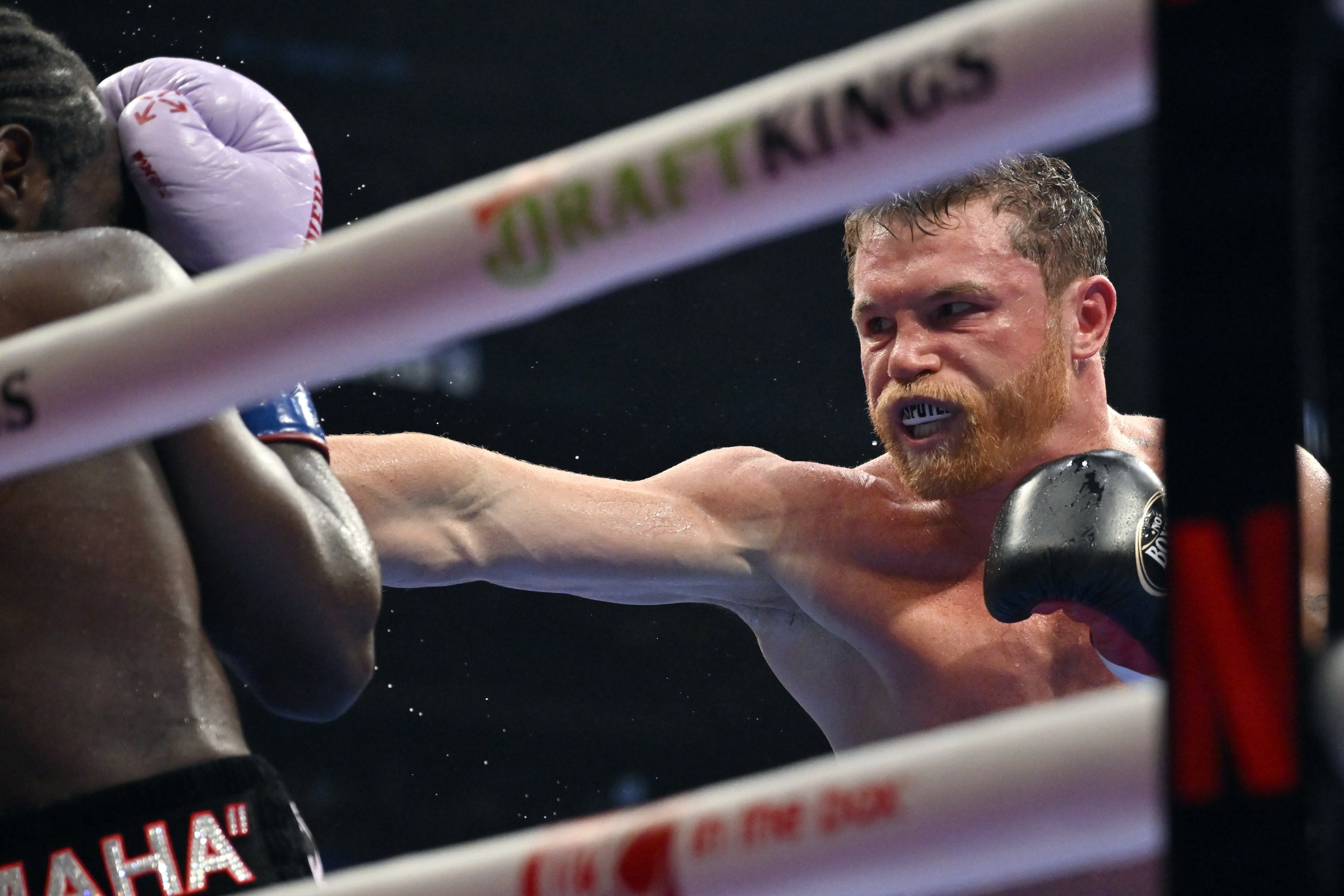
With active commercial forces like Ronaldo, James, and Messi still generating revenue, their lifetime career totals will continue to climb higher. Furthermore, other prominent current stars—including Stephen Curry, Kevin Durant, baseball star Shohei Ohtani, and boxing champion Canelo Alvarez—are accumulating wealth at rates that could significantly reshape the historical rankings in the years to come.
Shohei Ohtani represents a particularly notable modern financial model, combining an enormous, deferred playing contract with substantial, high-value endorsement income in multiple global markets. Stephen Curry has built a major commercial business empire centered around his partnership with Under Armour, while Canelo Alvarez continues to reap the financial rewards of the massive purses available to boxing’s premier pay-per-view attractions.
The continuous growth of athlete-owned businesses and venture investments could make future career earnings rankings even more complex to untangle from traditional sports revenue metrics.
Women Remain Significantly Underrepresented
Despite the massive sums generated across professional sports, the historical earnings list starkly highlights the persistent financial gap between the highest-paid male and female athletes in history.
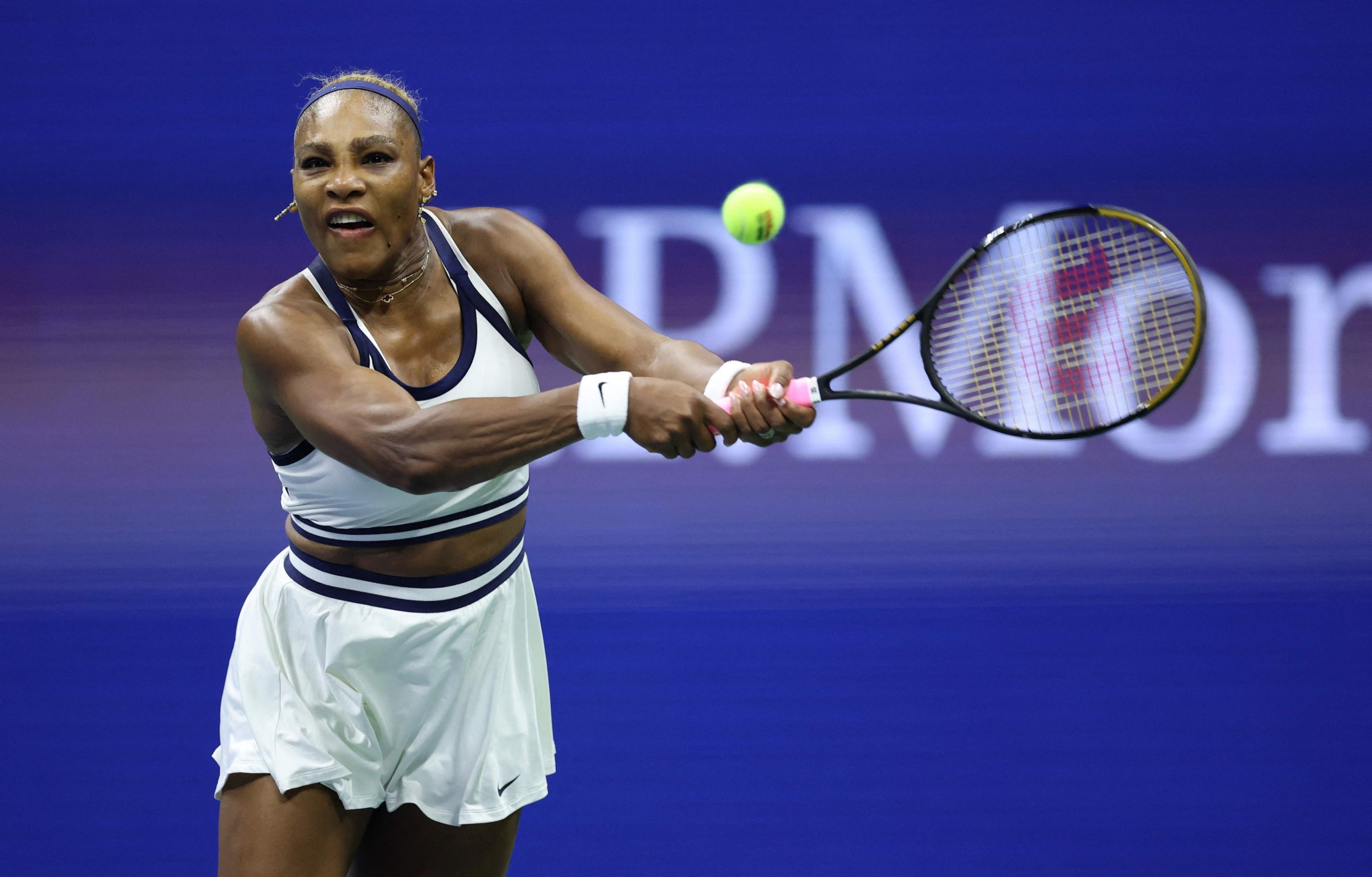
Serena Williams stands as the sole woman included within Sportico’s top 50 all-time earners cited in the data, with her inflation-adjusted career earnings estimated at roughly $680 million.
This pronounced gap reflects enduring systemic differences in playing salaries, tournament prize money pools, corporate sponsorship markets, and broad commercial opportunities across various sports and historical eras. It also serves as a reminder that comparing athletes solely by their accumulated financial earnings fails to provide a complete, holistic picture of sporting achievement, cultural impact, or commercial influence.
Why Inflation Matters
A simplistic comparison of nominal career earnings can heavily distort historical rankings and misrepresent the true value of past athletic achievements.
A single dollar earned several decades ago possessed considerably greater purchasing power than a dollar earned in the current economic climate. Applying inflation adjustments is a necessary step to place historical and modern earnings on a common economic baseline, allowing observers to compare athletes from entirely different generations in a meaningful way.
This adjustment is particularly crucial for pioneers like Arnold Palmer and Jack Nicklaus, whose legendary careers unfolded during an era when professional sports generated a fraction of the revenue seen in today’s multi-billion-dollar global entertainment industry.
Even after thoroughly adjusting those historical figures for inflation, however, Michael Jordan stands entirely alone at the summit, maintaining his position as the undisputed leader in career earnings across the history of professional sports.