
Long before modern astronomy mapped the precise mechanics of planetary orbits, solar and lunar eclipses were viewed through a lens of profound awe, mystery, and superstition. Across ancient civilizations, the sudden darkening of the sun or moon in broad daylight was rarely understood as a natural celestial alignment. Instead, these cosmic events were frequently interpreted as supernatural omens, divine wrath, or cosmic portents signaling major historical shifts, catastrophes, or the passing of revered figures.
These deeply ingrained cultural beliefs persisted into the early days of Islamic history in the Arabian Peninsula. However, a pivotal moment during the lifetime of Prophet Muhammad (peace and blessings be upon him) provided a definitive opportunity to dismantle these persistent myths. Rather than allowing astronomical phenomena to be co-opted by fatalistic folklore, the Prophet used the occasion to reframe how humanity understood celestial events—shifting the focus from superstitious dread to spiritual reflection, scientific curiosity, and communal worship.
The intersection of coincidence and superstition became glaringly apparent on the exact day that Ibrahim, the young son of Prophet Muhammad, passed away. In a society accustomed to linking major earthly milestones with heavenly disturbances, the simultaneous occurrence of a solar eclipse and the death of the Prophet’s son seemed, to many onlookers, to be more than mere coincidence. Rumors quickly swept through the community that the sun itself had vanished in mourning for the tragedy that had befell the Prophet’s family.
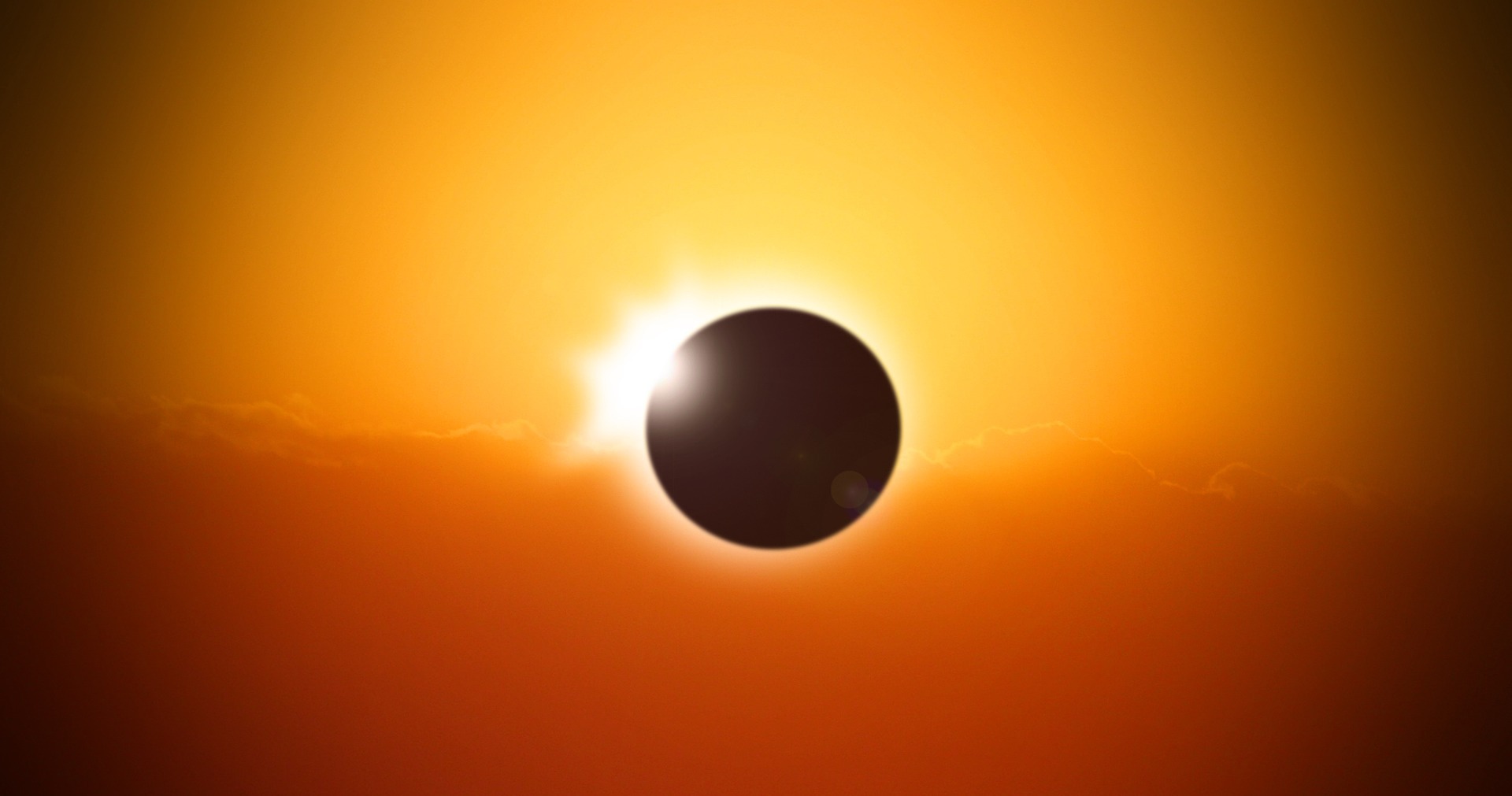
Rather than letting the misconception take root, Prophet Muhammad moved swiftly to correct the narrative. He openly and unequivocally rejected any causal link between cosmic phenomena and human mortality or birth. In doing so, he established a clear theological boundary: celestial bodies operate according to divine laws that are entirely independent of human affairs.
To document these teachings, generations of Islamic scholars preserved eyewitness accounts detailing the exact actions and words of the Prophet during the eclipse. These records were later compiled into authoritative Hadith collections, most notably Al-Jami` al-Saheeh by Imam Al-Bukhari. Within the Book on Eclipse, numerous narrations capture the precise atmosphere of that day and the specific guidance imparted by the Prophet.
According to a narration recorded from Abu Bakra, companions were sitting with Allah’s Apostle when the sun began to eclipse. Demonstrating a sense of urgency and devotion, the Prophet stood up immediately, dragging his cloak behind him in his haste, and entered the mosque. He led the congregation in an extended two-rakat prayer until the solar disk had completely cleared. Following the prayer, he addressed the gathered believers directly, declaring that the sun and the moon do not eclipse because of anyone’s death, and instructing them to turn to prayer and supplication whenever such an event is witnessed.

Additional narrations reinforce this core message with absolute clarity. Narrated Abu Masud: The Prophet stated that the sun and the moon are merely two signs among the signs of Allah, independent of human life or death, and instructed that witnesses should stand and pray. A similar account from Ibn ‘Umar echoes this sentiment, emphasizing that neither the death nor the birth of any individual triggers a cosmic reaction. Al-Mughira bin Shu‘ba further corroborated the context of Ibrahim’s passing, noting that despite the public outcry connecting the solar darkness to the child’s death, the Prophet maintained that the heavenly bodies are governed by a higher order, instructing the community to busy themselves with prayer and invocation rather than unfounded speculation.
The most detailed eyewitness descriptions of the prayer itself come from the Prophet’s wife, Aisha, who chronicled the unique structure of the eclipse prayer. According to her accounts, when the announcement for a congregational prayer was made, the Prophet led the community in a format distinct from regular daily prayers. He stood for an exceptionally long recitation from the Qur’an, followed by a prolonged bowing position. Uniquely, rather than immediately dropping into prostration after rising from the bow, he stood for a second recitation—shorter than the first—followed by a second prolonged bowing, before finally completing the prostrations. He repeated this exact sequence in the second unit of prayer, concluding just as the eclipse cleared.
Following the prayer, the Prophet delivered a comprehensive sermon, or Khutba. After praising and glorifying Allah, he reiterated the theological reality of the phenomenon, stressing that the sun and the moon are signs of the Creator rather than barometers of human fate. He urged the congregation to respond to eclipses through remembrance of God, the declaration of Takbir, communal prayer, and the giving of charity.

Within the same address, the Prophet seized the opportunity to offer broader moral admonitions to his followers, warning against societal corruption and reminding them of the gravity of moral accountability in a world fraught with spiritual and physical dangers.
The preservation of these traditions also highlights the meticulous nature of early Islamic scholarship. Later scholarly exchanges, such as the conversation recorded between Az-Zuhri and ‘Urwa regarding how differing individuals led the eclipse prayer in subsequent years, demonstrate the community’s ongoing dedication to accurately upholding the prophetic tradition. Through these historical texts, the legacy of how an ancient superstition was publicly dismantled remains transparently documented, offering a timeless perspective on how humanity interacts with the natural wonders of the universe.