Winters in Afghanistan are notoriously brutal. Across the country’s high-altitude terrain, temperatures can plunge to a bitter -25 degrees Celsius for months at a time, accompanied by unrelenting heavy rain and deep snowfall. While this seasonal precipitation is vital for replenishing the agricultural sector and sustaining crops for the upcoming year, it simultaneously unleashes chaos across vulnerable regions. The heavy blanket of snow routinely isolates remote communities, choking off vital transport links and cutting families off from basic services, markets, and emergency medical care when they need them the most.
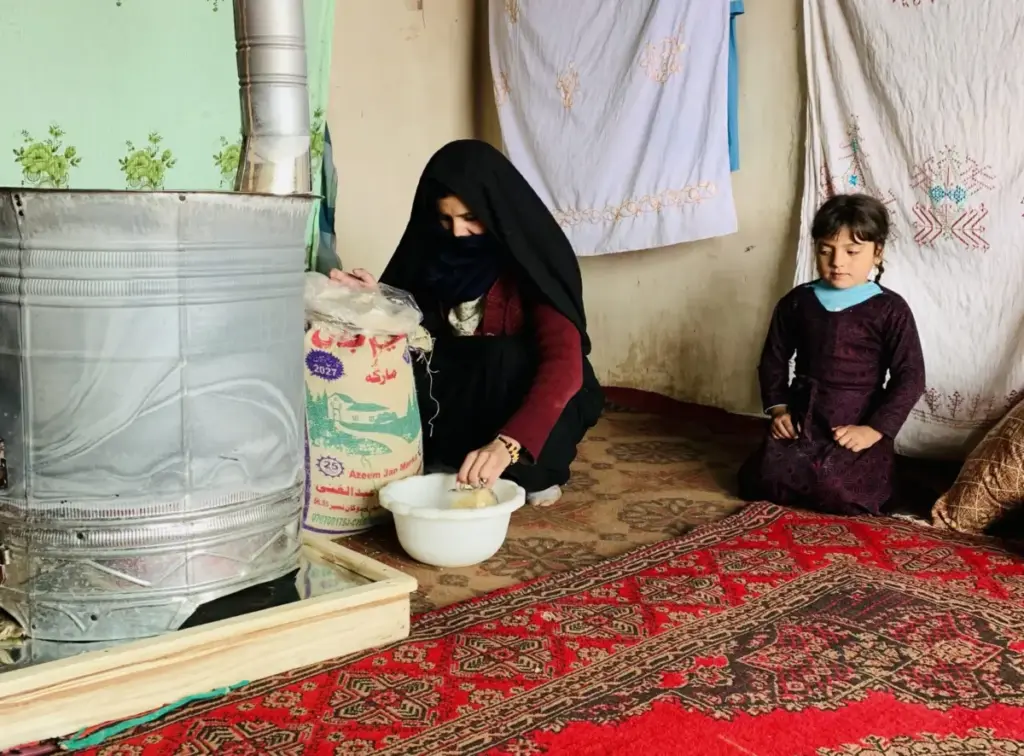
High in the rugged mountains of Ghor Province lies Masgara Village, an isolated community that bears the full brunt of these harsh climatic conditions. For 30-year-old Marzia, the arrival of winter signals the beginning of a desperate struggle for survival. Every year, as heavy snowfall makes the mountain roads completely impassable, her village is severed from the outside world, often remaining marooned for months at a time.
The physical isolation brings immediate, life-threatening challenges to the families living there. Without accessible roads, basic commodities become entirely out of reach.
“When snow blocks the roads, I cannot buy food,” Marzia explains, detailing the immediate threat of food insecurity that accompanies the freezing temperatures. “We often run out of firewood, and our home becomes very cold. There is no clinic nearby, and if someone gets sick, we must walk for hours in the snow or wait. Despite these hardships, I stay strong for my children and pray for a better future.”
The daily realities of life in Masgara Village are compounded by profound personal tragedy and economic hardship. A few years ago, Marzia’s husband passed away, leaving her to shoulder the sole responsibility of caring for their two young children: 13-year-old Ramin and 10-year-old Rabiha. Without an independent source of income, Marzia finds herself entirely dependent on the occasional, unpredictable kindness and assistance of her neighbors just to get by.
This already precarious existence is pushed to its absolute limits by the freezing Afghan winter. Their home, like many structures in remote rural areas, lacks adequate insulation to fend off the biting winds and heavy snow loads.
“The cold is very strong, and our house is not well protected against snow and wind,” Marzia says. “My children often ask me to heat the house, but most of the time I do not have firewood or heating materials. This is very painful for me because I want to protect them, but I cannot.”
Vital Assistance Brings Relief to Isolated Communities
Marzia is far from alone in her struggle against the elements. She is among more than 5,300 vulnerable individuals across Afghanistan who received critical support last winter through Islamic Relief’s dedicated Winterisation Programme.
The overarching goal of the Winterisation Programme is to ease the immense seasonal burden carried by marginalized households and to boost the resilience of communities striving to survive the most difficult months of the year. By utilizing a flexible cash assistance model, the programme empowers vulnerable individuals like Marzia, giving them the agency and freedom to choose the specific goods and supplies that will benefit their households the most. Rather than imposing a one-size-fits-all solution, cash assistance allows families to prioritize their most urgent, individualized needs—whether that means securing nutritious food, warm bedding, or fuel to heat their living spaces.
For Marzia, the impact of this targeted intervention was immediate and transformative. The financial support provided a lifeline during the darkest and coldest weeks of the year, enabling her to secure the materials necessary to safeguard her household.
“After receiving the winter cash assistance, I was able to buy a stove, firewood, rice, oil, blankets, and other winter essentials,” Marzia shares.
The acquisition of a reliable stove and sufficient firewood transformed their living conditions, replacing the agonizing chill of unprotected rooms with a safe, warm environment where Ramin and Rabiha could shelter from the elements. Beyond the physical warmth and sustenance, the assistance restored a sense of dignity and psychological relief to a mother who had previously felt helpless against the biting cold.
“Now, I feel much more confident and relieved, and I believe that with this support, my children and I will be able to pass the winter with more comfort and safety,” Marzia reflects, expressing her deep gratitude for the intervention. “I sincerely thank Islamic Relief for supporting women like me who are very vulnerable. Your help has made a big difference in our lives, and I hope you continue supporting families like ours in the future.”
As humanitarian organizations look ahead to future winter seasons, the needs in remote provinces like Ghor remain immense. Continued support is essential to reach other isolated households facing the same perilous conditions, ensuring that vulnerable families can endure the harshest months with dignity, warmth, and hope for the future.