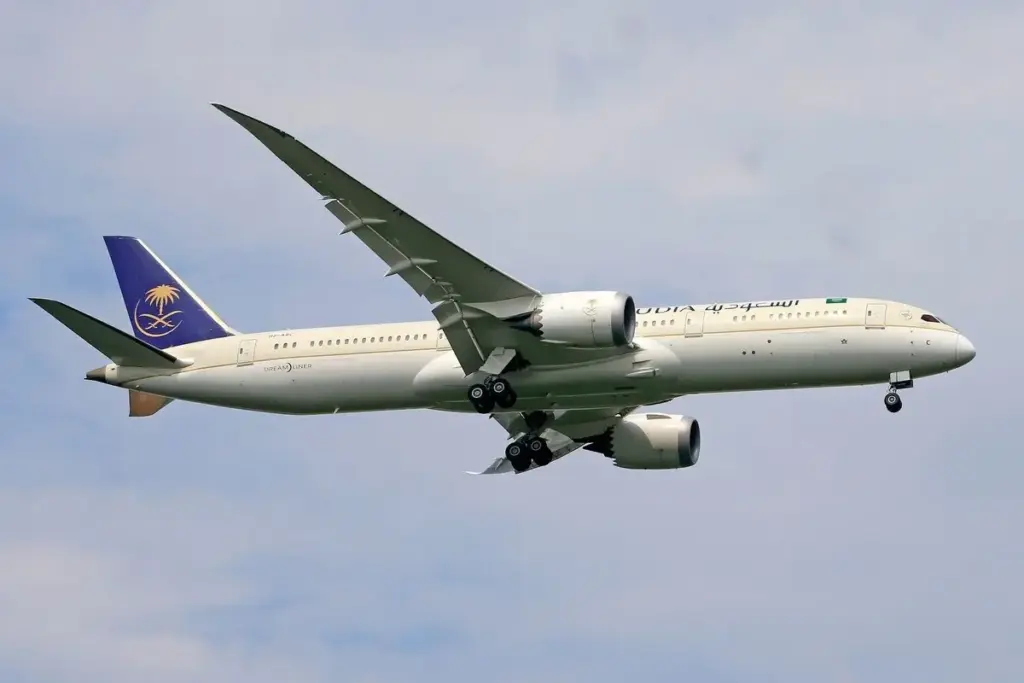
International airlines, regional carriers, and pilgrimage operators are confronting a widening web of travel disruptions as a persistent wave of security incidents in Saudi Arabia forces flight suspensions to extend deep into November and, in some cases, early next year. Major global airlines, including Lufthansa, Air France, and Cathay Pacific, have pushed back their return dates for Saudi routes following a series of infrastructure attacks by Yemen’s Iran-backed Houthi rebel group, which has targeted several major airports across the kingdom since early October.
The cascading crisis has hit the region’s vital religious tourism sector hard. In the United Arab Emirates, Umrah operators report that new customer inquiries and bookings have plummeted by approximately 50 percent, creating a significant economic slowdown for the Muslim-friendly travel trade. While travelers who booked their pilgrimages prior to the disruptions have generally chosen to postpone rather than outright cancel their journeys, the sharp drop in fresh demand underscores the profound psychological and logistical impact of the ongoing security situation on regional tourism.
The depth of the aviation paralysis is laid bare by comprehensive flight data from Cirium, which tracked a staggering volume of cancellations during the height of the crisis. Between October 8 and 14, more than 3,100 Saudi flights—amounting to roughly 40 percent of the kingdom’s total scheduled air traffic—were grounded. The situation reached its nadir on October 12, when an extraordinary 632 out of 1,048 scheduled flights failed to operate. Among domestic carriers, Riyadh Air absorbed the heaviest blow, canceling 80 out of 113 flights between October 8 and 13, representing a cancellation rate of 70.80 percent.
Other major Saudi carriers experienced similarly severe schedule contractions during the same timeframe. Saudia canceled 1,091 of its 2,273 scheduled flights, flynas grounded 564 out of 1,183, and flyadeal lost 496 of its 975 flights. How long the kingdom’s broader travel and aviation economy can comfortably absorb these widespread groundings at its primary hubs remains an open question, particularly as carriers and aviation authorities grapple with shifting timelines and tentative reopening schedules. Compounding the uncertainty, carriers such as Air Arabia and Pakistan International have opted to set no specific date at all for their return to Riyadh.
Riyadh Took the Heaviest Hit While Jeddah and Medina Held Up Better
Among the kingdom’s key aviation hubs, King Khalid International Airport in Riyadh bore the brunt of the operational onslaught. Cirium data highlighted that the airport saw 296 of its 334 scheduled departures canceled on October 13 alone, marking a staggering cancellation rate of 88.62 percent. Meanwhile, King Fahd International Airport in Dammam experienced significant fallout as well, losing 58 of its 114 departures on that same troubled day.
In contrast, airports in Jeddah and Medina initially demonstrated greater resilience, serving as vital operational workarounds for regional tour operators. King Abdulaziz International Airport in Jeddah canceled 105 of its 370 departures on October 13, representing a relatively modest cancellation rate of about 28 percent. Prince Mohammad Bin Abdulaziz airport in Medina fared even better, canceling just 19 of its 88 departures, or roughly 22 percent. Jaseem of Al Shammar Haj and Umrah Service noted in mid-October that his travel groups were managing to stay largely on schedule by rerouting passengers booked on canceled Riyadh flights through Medina or Jeddah instead.
However, that crucial operational fallback has since narrowed considerably. Reports from late October indicated that major carriers had begun canceling specific services to the western holy cities, including Emirates flight EK 2537 to Medina, flydubai flight FZ 8387 to Medina, and multiple Etihad flights connecting to and from Jeddah. These flight disruptions coincided with reports from Al Jazeera regarding Saudi air defenses intercepting ballistic missiles over Mecca province, with falling shrapnel detected in Jeddah, Taif, Rabigh, and Wadi Al-Mughammas. For travel agencies specializing in halal tourism packages centered around Medina and Mecca, these developments mean that the alternative routing strategy is now facing its own wave of cancellations.
New Umrah Bookings From the UAE Fell by About Half in Mid-October
The reluctance of prospective travelers to commit to new bookings has introduced substantial financial strain for tour operators across the Gulf. Shihab Perwad of Rehan Al Jazeera Tours and Travels observed that while existing customers holding confirmed reservations were choosing to wait out the crisis rather than cancel, fresh market demand had contracted sharply. Prospective pilgrims have adopted a notably cautious approach to future travel planning.
Individual travelers have echoed these sentiments of hesitation. Dubai resident Meeran explained that his planned Umrah journey to Mecca had been put on hold due to the fluid security environment. Similarly, Fazil Akbar, a resident of Garhoud, noted that he was actively considering delaying his pilgrimage or exploring overland transportation options if conditions failed to show noticeable improvement in the near term.
Opting for a road journey, however, introduces a completely different financial dynamic for budget-conscious pilgrims. Bus packages originating from the UAE are priced at approximately Dh1,100 for a 10-day itinerary, compared to standard air travel packages that typically start from around Dh2,700. While the overland bus alternative costs less than half of the entry-level flight package, it demands a significantly greater investment of time and physical endurance from travelers.
Airline Suspensions Stretch From October 29 Into January 2027
International and regional carriers have responded to the security crisis by implementing staggered, long-term suspensions rather than executing a synchronized return to the Saudi market. Non-Gulf carriers hold some of the most extended suspension dates, with Cathay Pacific having suspended its Riyadh flights all the way through January 31, 2027. Delta Air Lines has similarly chosen to postpone the scheduled launch of its new direct route connecting Atlanta and Riyadh until March 2027, effectively pushing back its entry into the Saudi travel market rather than cutting an established service.
Other international operators face varying timelines tailored to their specific network updates. Akasa Air suspended its Riyadh route until November 30 and its Jeddah services through November 10, while Philippine Airlines grounded its Riyadh flights until November 29. Scoot has temporarily halted its Singapore-to-Jeddah operations until December 2. Regional carriers have also adjusted their schedules extensively; Biman Bangladesh Airlines, Fly Jinnah from Islamabad, and SyrianAir from Damascus implemented cancellations, while Qatar Airways suspended its Riyadh operations through October 25 and has left its Dammam service without a formalized return date.
European and Asian carriers have similarly extended their pauses. Lufthansa has suspended its Riyadh services until November 18 and Dammam flights until November 30, while Air France halted Riyadh operations through November 14. Air India and Air India Express grounded flights to Riyadh, Jeddah, and Dammam until November 7, and Etihad Airways paused services across the same three Saudi hubs until November 5. British Airways scheduled its Riyadh service to resume around November 3, while Oman Air, SalamAir, KLM, and IndiGo maintained suspensions running through October 31. Regional operators such as flydubai suspended flights to Riyadh, Dammam, and Abha until October 29, and Air Arabia left its services to Riyadh, Abha, Dammam, and Taif without a confirmed return date.
Houthi Warnings Leave Riyadh Airport Return Dates Exposed
The operational road back to normalcy remains fraught with external threats. Houthi military spokesman Yahya Saree publicly designated King Khalid International Airport as a legitimate military target, issuing renewed warnings directed squarely at commercial airlines, airport employees, and civilian travelers. These statements coincided with reports of further defensive interceptions by Saudi military forces, who intercepted an incoming drone and ballistic missile over Riyadh. The Gulf Cooperation Council, led by Secretary-General Jasem Mohamed AlBudaiwi, strongly condemned the ongoing military barrages near Mecca, characterizing the attacks as a severe violation of the sanctity of the Islamic Holy Sites.
The human toll of the conflict has added profound gravity to the commercial disruptions. Official figures released by the General Authority of Civil Aviation indicated that an initial strike on King Khalid International Airport resulted in 12 fatalities and 309 injuries. That death toll subsequently rose to 13 after an Indian national succumbed to injuries sustained during the attack, which formed part of a concentrated series of four strikes that targeted the Riyadh aviation hub across a span of just five days.
As airlines and pilgrimage operators navigate this complex landscape, their immediate focus rests on the upcoming milestone dates for resumed operations. With carriers such as flydubai, Emirates, Oman Air, SalamAir, KLM, and IndiGo reaching the conclusion of their respective suspension windows, the aviation sector watches closely to see whether the kingdom’s vital transportation corridors can safely reopen to international traffic.