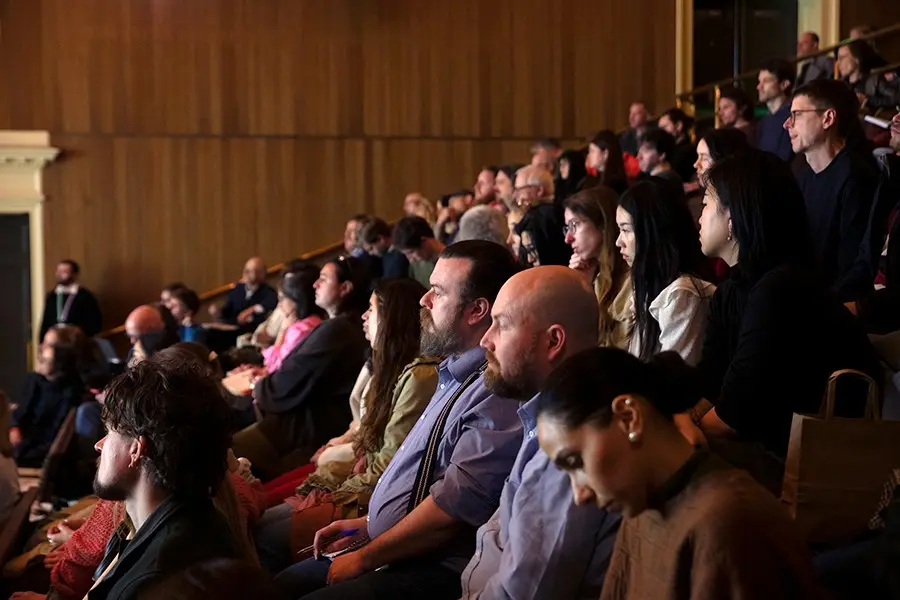
As the construction and design industries grapple with the escalating realities of the climate emergency, the search for truly sustainable, renewable materials has never been more urgent. Against this backdrop, the Victoria and Albert Museum (V&A) in London recently played host to the fifth annual Make Good: Rethinking Material Futures symposium. Supported by renowned furniture designer John Makepeace OBE, the event convened a diverse array of UK practitioners and leading experts spanning law, housing, material science, architecture, design, and manufacturing.
The primary focus of the day-long gathering was a critical exploration of how the UK can successfully cultivate more climate-resilient, mixed-species forests while finding innovative ways to utilize the resulting timber locally. By bridging the gap between forestry, ecological stewardship, and architectural application, the symposium sought to challenge conventional building paradigms and chart a path toward a regenerative material future.
The lively afternoon of discussions drew direct inspiration from the V&A display Building from Forests, curated by the prominent architecture practice dRMM. To open the symposium, dRMM director Jonas Lencer took to the stage to detail the extensive three-year research project that underpinned the exhibition. Conducted in close collaboration with various partners across the scientific and manufacturing sectors, the research served as a foundational case study for what is achievable when design thinking is deeply integrated with biological and ecological realities.
Following the introductory remarks, the symposium was organized into three distinct thematic sessions: Materials and Making, Construction, and Civic Infrastructure. Each session brought together distinct voices to tackle the systemic, technical, and cultural shifts required to transform how the built environment interacts with the natural world.
Materials and Making
The first session of the afternoon, titled Materials and Making, plunged attendees directly into the physical and biological characteristics of timber. Marlene Cramer, a wood scientist, delivered an in-depth presentation examining the specific material properties and structural capacities of the United Kingdom’s native tree species. Cramer’s analysis emphasized that understanding the unique behaviors of different native woods is a vital prerequisite for expanding their use in contemporary architecture, moving away from a reliance on imported, homogenized softwoods.
Building upon this scientific foundation, designer and educator Nick Gant shifted the focus toward ecological integration, discussing methodologies for designing explicitly with biodiversity in mind. Gant argued that material extraction and product design should not merely minimize harm but actively contribute to the health of local ecosystems.

Rounding out the opening panel, Je Ahn, director of Studio Weave, provided a practical architectural perspective. Ahn showcased how his practice successfully integrates local resources into its projects, demonstrating that working within the constraints and offerings of a specific regional supply chain can yield striking, contextually grounded design outcomes. Through these diverse presentations, the session established that rethinking material futures begins at the most fundamental level: recognizing the intrinsic qualities of the resources growing in our immediate landscapes.
Construction
Transitioning from material science and localized design to broader systemic applications, the second session examined the challenges and opportunities of building at scale using UK-grown renewable materials. Louise Rogers, representing the innovation lab Built Environment – Smarter Transformation (BE-ST), took the floor to discuss the immense potential for scaling up domestic manufacturing capabilities. Rogers highlighted that while the UK possesses the natural capacity to grow structural timber, developing the necessary processing infrastructure within the country is critical to reducing carbon footprints and creating a resilient, self-sufficient construction sector.
The conversation then turned from industrial processes to community-scale implementation with Jonathan Smales, founder of the sustainable development company Human Nature. Smales shared ambitious plans for building an entirely different kind of neighborhood from scratch. Grounded in circular economy principles and low-carbon methodologies, the development serves as a real-world testing ground for alternative approaches to housing and urban planning, proving that ecological ideals can be successfully translated into master-planned communities.
Together, Rogers and Smales painted a comprehensive picture of the construction landscape, illustrating that scaling up bio-based building materials requires synchronized advancements in both industrial manufacturing and visionary development models.
Civic Infrastructure
The final session of the symposium broadened the scope yet again, exploring the deep systemic, legal, and cultural shifts necessary to responsibly harvest and build with local natural resources. Paul Powlesland, representing Lawyers for Nature, addressed the legal dimensions of environmental stewardship, speaking passionately on the evolving concept of the rights of nature. Powlesland challenged the audience to reconsider humanity’s legal relationship with the natural world, arguing that sustainable building practices must be underpinned by frameworks that recognize ecosystems not merely as property or resources, but as entities with inherent rights to thrive.
Complementing this legal perspective, Immy Kaur from Civic Square brought the conversation down to the hyper-local level, offering a vivid demonstration of what ecological transition looks like at the scale of a neighborhood. Kaur detailed community-led initiatives that empower residents to actively participate in shaping their local civic infrastructure, energy systems, and material flows. By connecting grassroots civic action with broader systemic change, the session underscored that architectural and material sustainability cannot be achieved in isolation from social and governance structures.
The recordings of these sessions form a vital archive of the ongoing discourse facilitated by the Make Good: Rethinking Material Futures programme. Now in the fifth year of a ten-year initiative launched in 2022, the broader programme continues to explore the vital intersection of natural, renewable materials and the built environment during a critical time of climate emergency. Supported generously by John Makepeace OBE, the initiative encompasses an annual display housed in the Dr Susan Weber Gallery of Furniture, the annual symposium, and a dedicated programme of acquisitions, ensuring that these pressing conversations translate into lasting institutional legacy and ongoing industry impact.