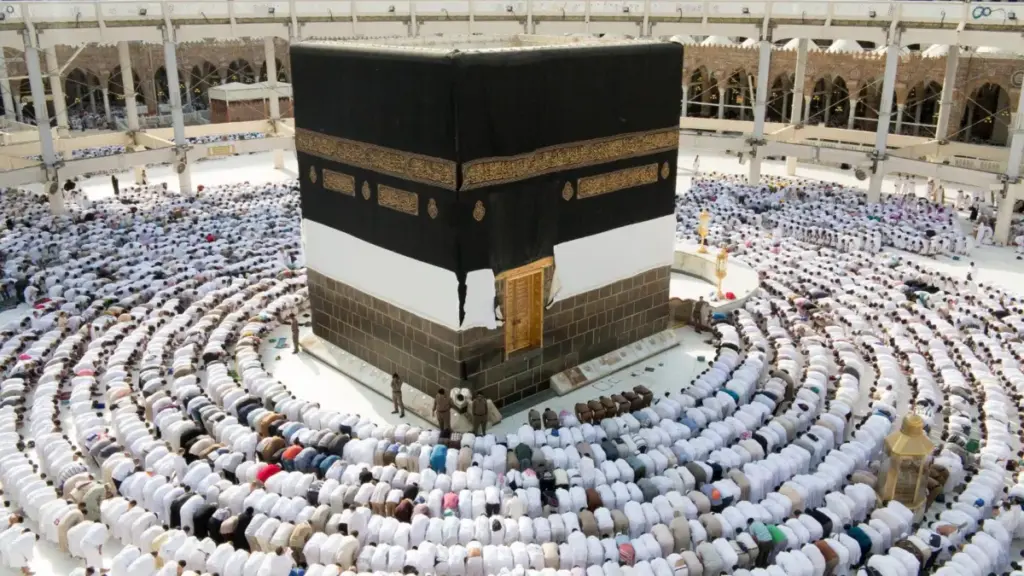
As the sacred season of Hajj draws near, millions of Muslims around the world are deep in preparation for their spiritual journey to Makkah, while others have already embarked on the historic route. This annual pilgrimage represents a direct response to the divine invitation issued centuries ago by Prophet Ibrahim and later renewed by Prophet Muhammad, peace be upon them both. For those undertaking the journey, it is the fulfillment of a lifelong dream; for observers worldwide, it marks a time of spiritual reflection and global unity.
Yet, beyond the physical migration and the vast gathering of humanity in the plains of Arafat, lies a profound spiritual dimension. To truly understand why Hajj commands such deep reverence, one must look closely at the traditions and sayings of Prophet Muhammad, which illuminate the central place the pilgrimage holds in the Islamic faith.
A Pillar of Islam
Among the diverse rituals and acts of worship that define the religious life of a Muslim, Hajj stands out as a foundational component. It is not merely an optional journey or a cultural tradition, but an indispensable pillar upon which the entire structure of the faith rests.
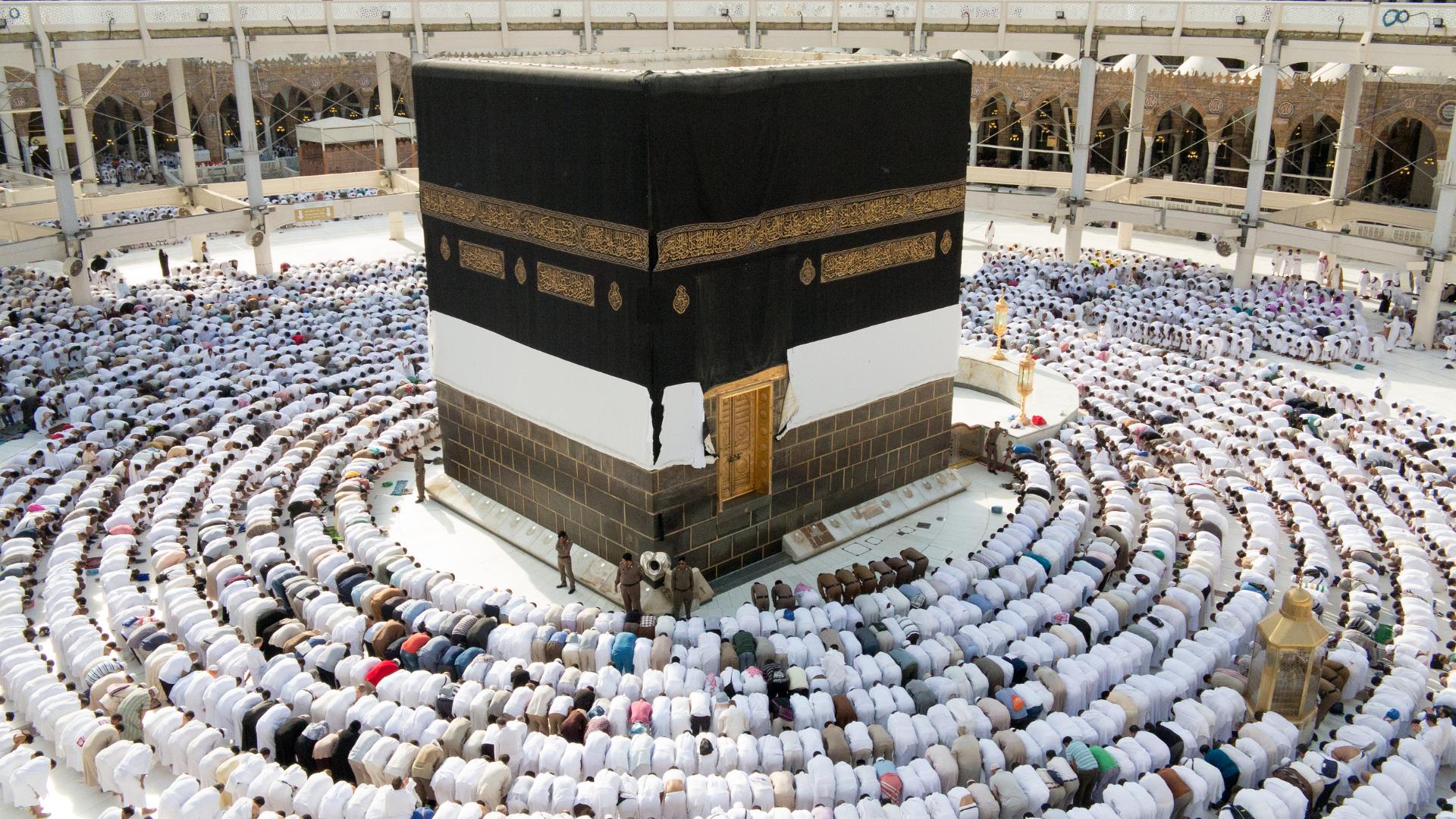
This foundational status is explicitly detailed in a well-documented narration from Abdullah ibnUmar, who reported that the Prophet Muhammad stated that Islam has been built upon five core pillars: testifying that there is no god but Allah and that Muhammad is His Messenger, establishing regular prayers, paying the obligatory charity known as zakah, making the pilgrimage to the House, and fasting during the month of Ramadan. Recorded in the authentic collections of Al-Bukhari and Muslim, this tradition places Hajj shoulder-to-shoulder with daily prayers and annual fasting, underscoring its indispensable role in religious practice.
Once in a Lifetime
Despite the immense spiritual weight and obligation attached to Hajj, Islamic jurisprudence reflects a profound divine mercy regarding its frequency. Recognizing the logistical challenges, physical toll, and financial burdens that a journey of this magnitude entails, the faith dictates that Hajj is required only once in a lifetime for those who are physically and financially able.
This principle of ease and divine consideration is illustrated in a narration from Abu Hurairah. One day, the Prophet addressed the community, urging them to fulfill the obligation of Hajj now that it had been prescribed for them. A man in the audience stepped forward and asked whether this obligation applied every single year.

The Prophet initially remained silent. When the man repeated his question three times, the Prophet responded by explaining that had he answered in the affirmative, it would have become a mandatory yearly requirement—a burden that would have clearly exceeded the capacity of the people.
Following this exchange, the Prophet offered a broader piece of wisdom, advising his followers to focus on what was explicitly commanded rather than seeking out excessive restrictions or hypothetical rulings. He noted that previous nations had faced destruction due to their excessive questioning and their tendency to dispute with their prophets. He instructed the community to carry out commands to the best of their individual abilities and to strictly avoid what was forbidden. This narration, preserved in Sahih Muslim, emphasizes that Islam is designed to be practical, balanced, and sustainable for human capacity.
A Special Rank and Value
The Companions of the Prophet were famously eager to understand the spiritual hierarchy of good deeds, constantly seeking guidance on which actions held the greatest weight in the sight of God so they could prioritize their efforts accordingly.
In another narration reported by Abu Hurairah, a man asked the Prophet to identify the single best deed a believer could perform. The Prophet replied that the highest deed is sincere belief in Allah and His Messenger. When the man inquired what came next in order of virtue, the Prophet answered that it is striving, or jihad, in the cause of Allah. Pushing further to understand the hierarchy, the man asked what followed that, to which the Prophet responded that it is an accepted pilgrimage, known as Hajj mabroor—a Hajj performed purely for the sake of God, free from sin, and accepted by the Almighty.
As pilgrims finalize their travel arrangements and step onto the historic pathways leading toward Makkah, these prophetic traditions serve as a timeless reminder of the purpose behind the journey. Far beyond a physical relocation, Hajj remains an essential pillar of faith, a divinely balanced obligation, and one of the most highly rewarded spiritual endeavors a believer can undertake.