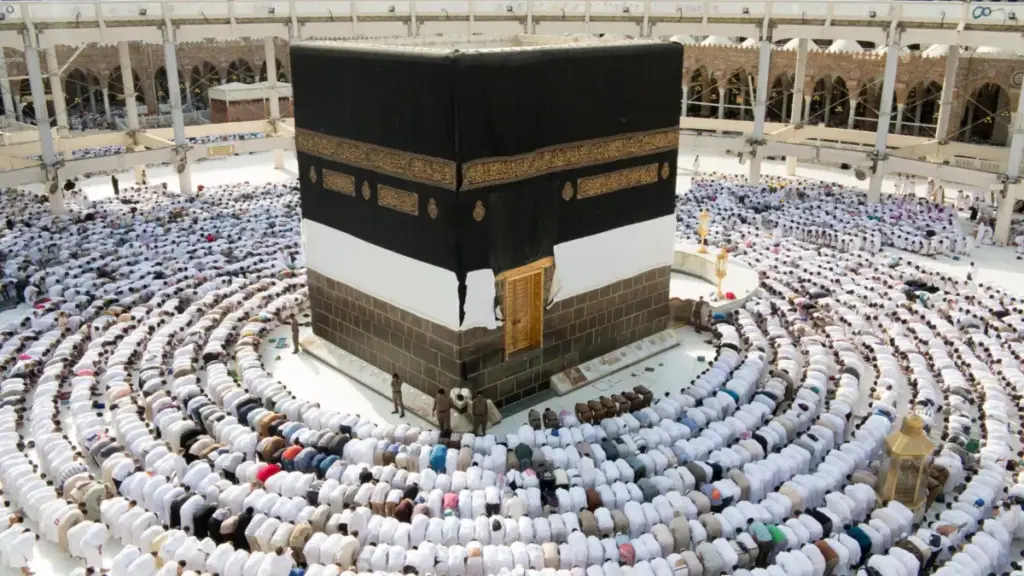
As the sacred season of Hajj draws near, millions of Muslims around the world are deep in preparation for one of the most profound spiritual journeys of their lives. While many pilgrims are meticulously organizing their affairs and packing their belongings, others have already begun setting out toward the blessed city of Makkah. This massive global migration is a direct response to a divine invitation—an invitation originally announced by Prophet Ibrahim and later renewed by Prophet Muhammad, peace be upon them both.
For those embarking on this monumental pilgrimage, the journey is far more than a physical trip; it is an answering of a call that resonates through the centuries. But even as the rituals of Hajj become the focal point of the global Muslim community, a fundamental question often arises for observers and believers alike: why is Hajj considered to be of such immense importance in the Islamic faith?
To understand the profound weight and spiritual value that Muslims place on the pilgrimage, one must look closely at the foundational sayings and traditions of the Prophet Muhammad. These recorded narrations, or Hadiths, offer a clear window into how Hajj is perceived, framing it not merely as a historic rite, but as an essential pillar of belief, a test of human capacity, and one of the finest deeds a believer can ever perform.
A Pillar of Islam
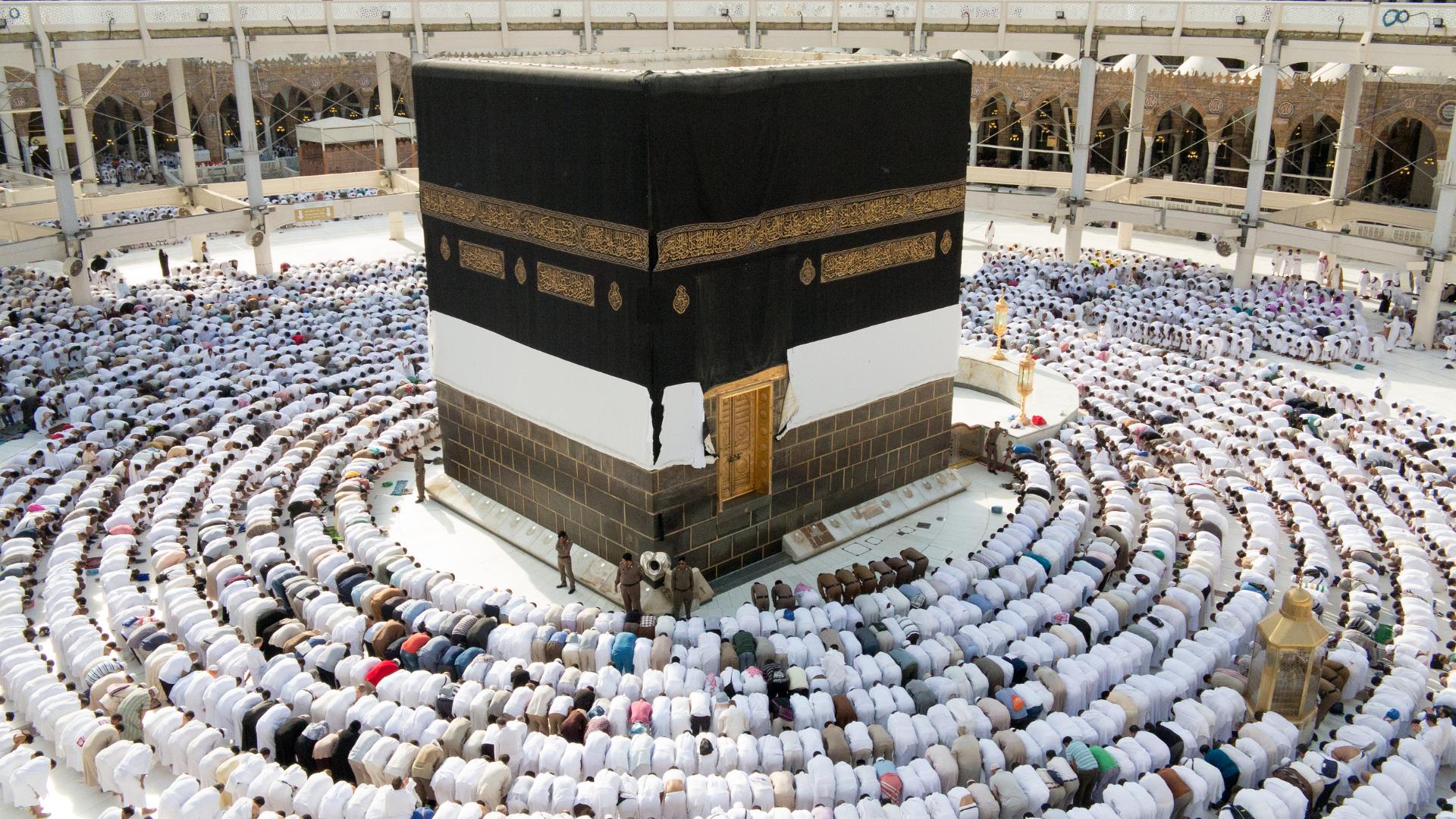
Among the diverse and multifaceted acts of worship that define the daily and seasonal practice of Islam, Hajj holds a premier position. It is not an optional recommendation or a supplementary spiritual exercise, but rather an indispensable pillar upon which the entire structure of the faith rests.
This foundational status is explicitly outlined in a well-documented narration from Abdullah ibnUmar, who reported that the Prophet Muhammad stated that Islam has been built upon five core pillars. These include testifying that there is no god but Allah and that Muhammad is His Messenger, establishing regular prayers, paying the obligatory charity known as zakah, fasting during the holy month of Ramadan, and making the pilgrimage to the House in Makkah. By grouping the pilgrimage alongside the declaration of faith, daily prayer, fasting, and charity, the tradition underscores that Hajj is inextricably linked to the very identity of a practicing Muslim.
Once in a Lifetime
Despite the monumental spiritual significance and the heavy obligation attached to Hajj, Islamic jurisprudence and prophetic tradition heavily emphasize divine mercy, ensuring that the requirements remain balanced with human capability. One of the most striking aspects of the pilgrimage is that, unlike daily prayers or annual fasting, it is prescribed to be performed only once in a lifetime for those who are physically and financially able.
This principle of ease and consideration for human limitations is captured in a narrative narrated by Abu Hurairah. One day, the Prophet Muhammad addressed the gathered community, urging them to fulfill the obligation that Allah had prescribed upon them. Upon hearing this general command, a man stepped forward and asked a question that would shape the understanding of generations to come: "Every year, O Messenger of Allah?"

The Prophet initially remained silent. When the man repeated his inquiry three times, the Prophet responded by explaining the profound wisdom behind his initial silence. He noted that had he answered in the affirmative, the pilgrimage would have become a yearly obligation, a burden that would have entirely exceeded the capacity of the people.
Continuing his counsel, the Prophet urged his followers to avoid excessive questioning about matters he had not explicitly mandated, noting that previous communities had faced destruction due to their tendency to bombard their prophets with endless queries and disagreements. He established a guiding principle for religious practice: when commanded to do something, a believer should carry it out to the best of their ability, and when forbidden from something, they should steer clear of it entirely. This interaction highlights that while Hajj is a supreme duty, it is structured with a profound awareness of human endurance.
A Special Rank and Value
Throughout history, the companions of the Prophet Muhammad were consistently eager to identify the absolute best deeds, striving to prioritize their actions according to their spiritual weight in the sight of the Creator. They sought clear guidance on which virtues brought a person closest to divine grace.
In another narrative recorded by Abu Hurairah, the Prophet was directly asked which deed holds the highest rank among all human actions. He replied that the foremost deed is sincere belief in Allah and His Messenger. When asked what comes next in order of virtue, the Prophet identified striving, or jihad, in the cause of Allah.
When the questioner pressed further, asking what followed that, the Prophet designated the Hajj mabroor—referring to a pilgrimage that is accepted by Almighty Allah due to its sincerity, proper execution, and the pure intentions of the pilgrim. Placing an accepted Hajj immediately behind fundamental faith and righteous striving illustrates the extraordinary spiritual elevation and reward associated with successfully completing the journey to Makkah.