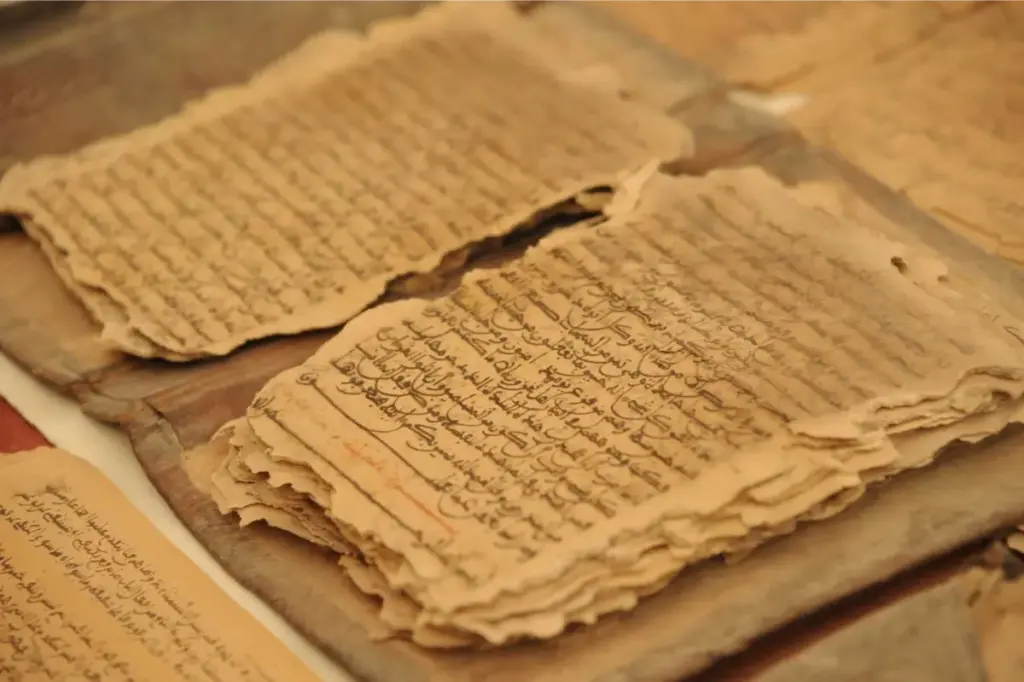
The status of the Quran as a supreme literary and spiritual masterpiece has long been a subject of profound study, scholarly debate, and deep spiritual reflection. At the center of this discourse is an established and widely recognized fact: the Prophet Muhammad, peace and blessings be upon him, was unlettered. He did not read or write, nor did he undergo formal training in poetry, rhetoric, or classical composition. Yet, the scripture revealed through him has presented an enduring challenge to humanity. From the very first day of its revelation down to the present era, the Quran has challenged all of mankind—including literary geniuses, eminent non-Muslim scholars, historians, and scientists—to produce even a single chapter or verse comparable to it.
This challenge, issued centuries ago in the Arabian Peninsula, remains unanswered. Throughout history, countless literary critics and linguists have examined the text and marveled at its structural integrity, emotional resonance, and linguistic brilliance. There is simply no other book quite like it in world literature. It is widely regarded as a pinnacle of Arabic linguistics, exhibiting absolute perfection in grammar, syntactic flow, profound semantic depth, and unmatched contextual cohesion. Unlike human-authored compositions, which often reveal the flaws, biases, or limitations of their writers, the Quran maintains a seamless consistency across diverse subjects, ranging from moral legislation and historical narratives to metaphysical truths and spiritual exhortations.
Furthermore, scholars and researchers have frequently pointed to the historical and scientific dimensions of the text. Predictions and descriptions embedded within the Quran have unfolded over time, aligning with realities discovered centuries later. More importantly, its moral, ethical, and spiritual teachings transcend specific cultural boundaries, resonating with human nature across all eras and geographic locations. Its timeless appeal lies in its ability to address the fundamental existential questions of humanity, offering guidance that is perceived by its followers as universally applicable for all people, in all places, and across all times.
In a compelling new discourse, Sheikh Sohaib Saeed delves deep into these themes, bringing to light specific verses from the Quran that serve as powerful evidence of its divine origin. In his presentation, he describes the Quran as an absolutely formidable, extraordinary, and unconquerable stronghold that was established on the earth through divine grace. Rather than viewing the scripture merely as a historical artifact, the discussion frames the Quran as a living, dynamic reality that continues to challenge the intellect and touch the hearts of those who engage with it.
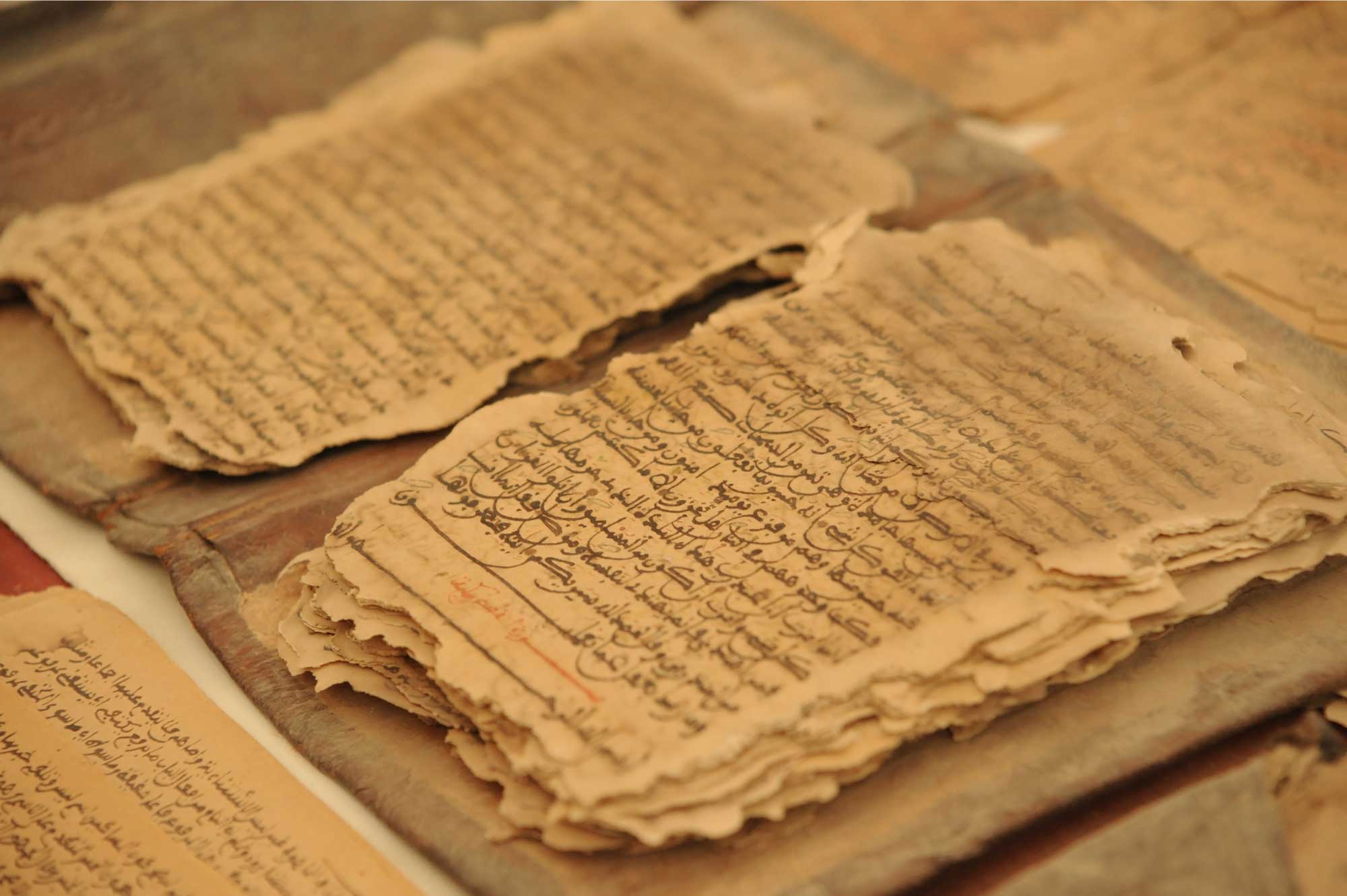
This exploration forms part of a broader, ongoing series dedicated to understanding the profound nature of the Quran and its unique place in human history. Viewers and readers interested in exploring the subject further can engage with the previous installments of the series, which examine various facets of the relationship between the revelation, the Prophet, and the divine message. These accompanying resources provide deeper contextual background for those seeking a comprehensive understanding of Islamic theology and scriptural history.
The first installment in the series, titled "The Eternal Challenge: What is the Quran?", introduces the foundational concepts surrounding the text, examining its unique linguistic properties and the nature of its challenge to humanity. Building upon this, the second part, "Eternal Challenge: Prophet and Book of Allah," explores the intricate bond between the unlettered messenger and the monumental scripture entrusted to him, highlighting how a person of humble human background became the vessel for a text of such staggering eloquence and depth.
Continuing the narrative, the third installment, "The Prophet Didn’t Make Quran… Rather, Quran Made Him," offers a profound perspective on the formative impact of the revelation. It addresses the theological understanding that the spiritual stature, character, and historical legacy of the Prophet Muhammad were profoundly shaped and elevated by the divine words he delivered, reinforcing the premise that the text transcends human authorship entirely. Through these sequential discussions, scholars like Sheikh Sohaib Saeed continue to invite contemporary audiences to reflect upon the enduring legacy of a book that has shaped civilizations and continues to command the attention of scholars, believers, and skeptics alike.