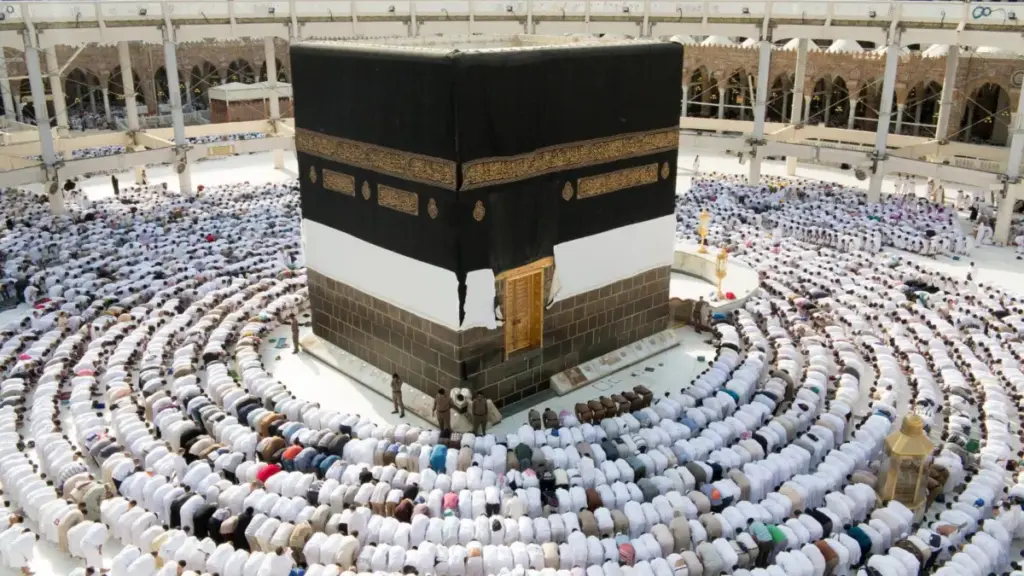
As the sacred season of Hajj draws near, Muslims across the globe are deeply immersed in preparation. While many pilgrims are meticulously finalizing their travel arrangements, others have already begun their journeys toward the holy city of Makkah. This momentous departure represents a profound response to the divine invitation issued centuries ago by Prophet Ibrahim and subsequently renewed by Prophet Muhammad, peace be upon both of them. For millions, stepping onto the path of pilgrimage is the fulfillment of a lifelong spiritual aspiration.
Yet, as the physical preparations peak, believers frequently reflect on the core meaning behind the journey. Understanding why Hajj holds such a paramount position in the Islamic faith requires looking closely at the foundational traditions of the Prophet Muhammad. Through various authentic statements preserved in the Hadith literature, the remarkable status of the pilgrimage comes into sharp focus, illustrating how Muslims internalize its value and significance.
A Fundamental Pillar of Islam
Within the diverse framework of Islamic worship, which encompasses a wide array of spiritual and physical acts, Hajj occupies a central and indispensable role. It is not merely a cultural tradition or a historical commemoration, but an absolute structural component of the faith.
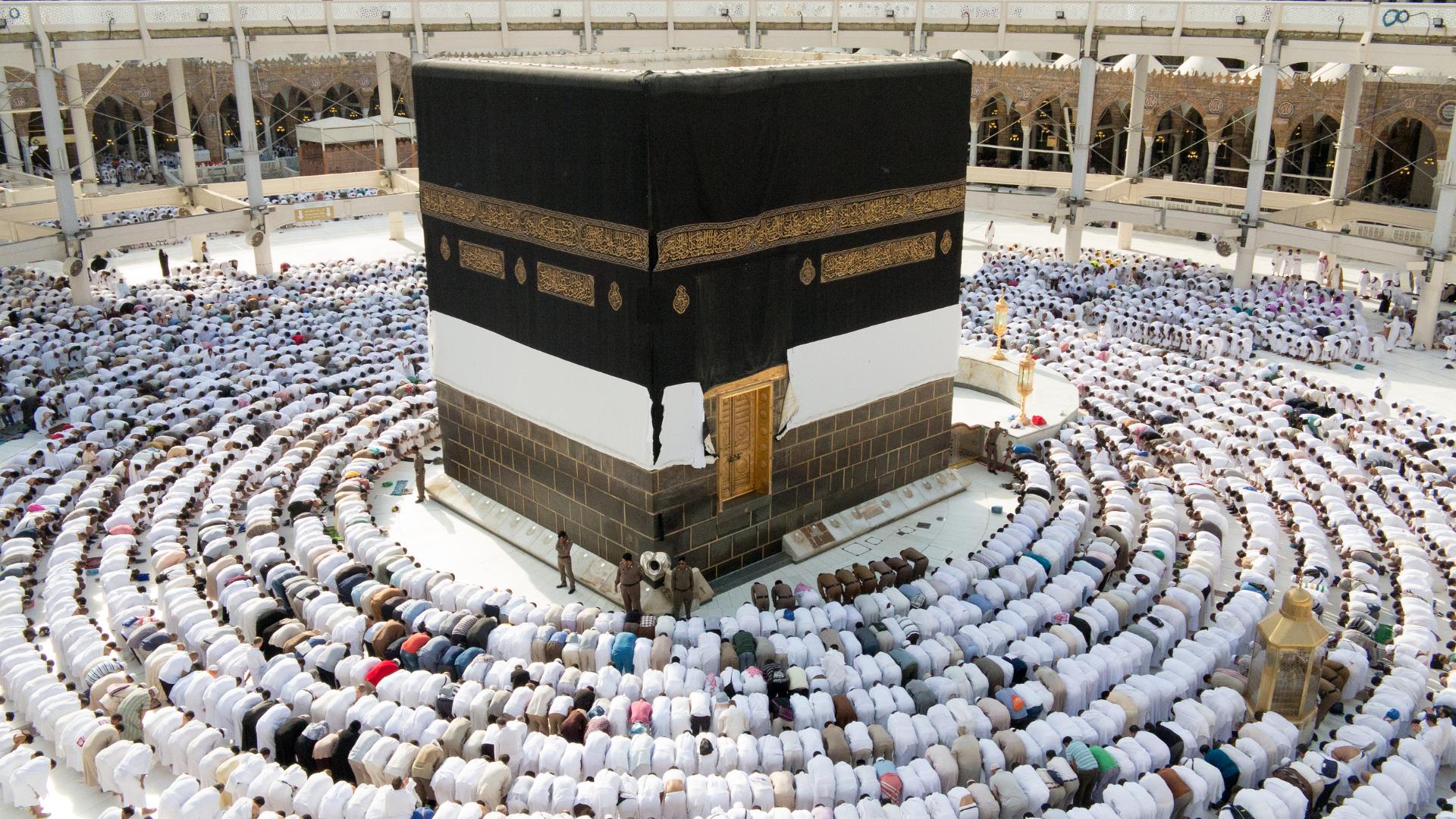
This status is firmly established in the famous narration from Abdullah ibnUmar, who reported that the Prophet Muhammad stated that Islam has been built upon five core pillars. These foundational elements include testifying that there is no god but Allah and that Muhammad is His Messenger, establishing regular prayers, paying the obligatory charity known as zakah, making the pilgrimage to the Sacred House, and fasting during the month of Ramadan. By grouping Hajj alongside the declaration of faith, daily prayers, annual charity, and fasting, the Prophetic tradition underscores that the pilgrimage is a non-negotiable duty for those who possess the means and capacity to undertake it.
Once-in-a-Lifetime Obligation
Despite the immense spiritual magnitude and virtue associated with Hajj, Islamic jurisprudence reflects a profound divine mercy regarding its frequency. The legislation of Hajj takes full account of the physical, logistical, and financial difficulties that pilgrims inevitably face, establishing that the major pilgrimage is required only once in a person’s lifetime.
This principle was clarified by the Prophet Muhammad himself during a pivotal moment recorded by Abu Hurairah. Addressing a gathering of believers, the Prophet announced that Allah had prescribed Hajj upon the community, instructing them to perform it. Recognizing the gravity of the command, a man stood up and asked whether the pilgrimage was required every single year.

The Prophet initially remained silent. When the man repeated his question three times, the Prophet explained the wisdom behind his initial silence, stating that had he answered in the affirmative, it would have become an annual obligation, a burden that would certainly exceed the capacity of the community.
Following this, the Prophet offered broader guidance regarding religious inquiries. He advised his companions to leave matters alone as long as he did not mention them, noting that previous nations had been destroyed by excessive questioning and disobedience toward their prophets. He summarized the approach by instructing the believers to fulfill his commands to the best of their ability and to completely avoid what he forbade. This tradition highlights both the practical ease built into the Islamic legal framework and the wisdom of moderation in religious obligations.
A Special Rank and Value
Among the Companions of the Prophet, there was a constant, eager desire to understand the hierarchy of good deeds, ensuring that they could prioritize their time and energy toward actions that carried the highest spiritual value in the sight of Allah.
In another narration recorded from Abu Hurairah, the Prophet was directly asked which deed holds the highest status. He responded that true belief in Allah and His Messenger is the foremost action. When asked what follows next in order of excellence, the Prophet identified striving in the cause of Allah, known as jihad. When pressed a third time regarding what comes next, the Prophet designated the Hajj mabroor—a pilgrimage that is accepted by Almighty Allah—as ranking among the most virtuous deeds a believer can perform.
This high ranking reinforces why generations of Muslims yearn to journey to Makkah, viewing the hardship of travel and ritual not as a burden, but as an unparalleled opportunity for spiritual renewal, forgiveness, and closeness to the Creator.