London — For more than a decade, volunteer guides at the Victoria and Albert (V&A) Museum have walked its sprawling galleries, translating the rich, multifaceted history of human creativity into stories for the public. Among them is a veteran tour guide who, after 12 years of service, has developed a profound appreciation for the lifeblood of the institution: legacies, bequests, and the enduring generosity of private donors.
Every visit to the world-renowned museum brings new discoveries, but the stories behind how specific pieces arrived at the V&A often reveal deeply personal connections between collectors and the cultural artifacts they cherished. By reading the object labels scattered throughout the galleries, attentive visitors can trace the lineage of countless acquisitions back to individuals who chose to ensure that their personal passions would become part of the public domain. To celebrate this vital tradition, the museum is once again preparing for its upcoming Legacy Weeks, a specialized program designed to highlight rare and unique items acquired through charitable gifts, both large and small.
As part of these institutional celebrations, the V&A will host a series of free public tours led by experienced guides. These tours aim to shift the spotlight away from standard art-historical narratives and toward the fascinating human stories of the benefactors themselves. Every bequest—whether it arrives in the form of a physical object or a financial endowment—comes with a permanent acknowledgment. Donors are featured on the object labels in perpetuity, ensuring that their names and contributions live on as long as the museum stands.
This year’s Legacy Week tour will feature a carefully curated selection of remarkable objects, each carrying its own distinct provenance and historical context. Among the dozens of pieces in the museum’s vast holdings, three exceptional works stand out as personal favorites for the upcoming tours, offering a window into the varied tastes of collectors across different centuries.

Lady Cory’s Bequest: The Sparkling "Trembler" Spray
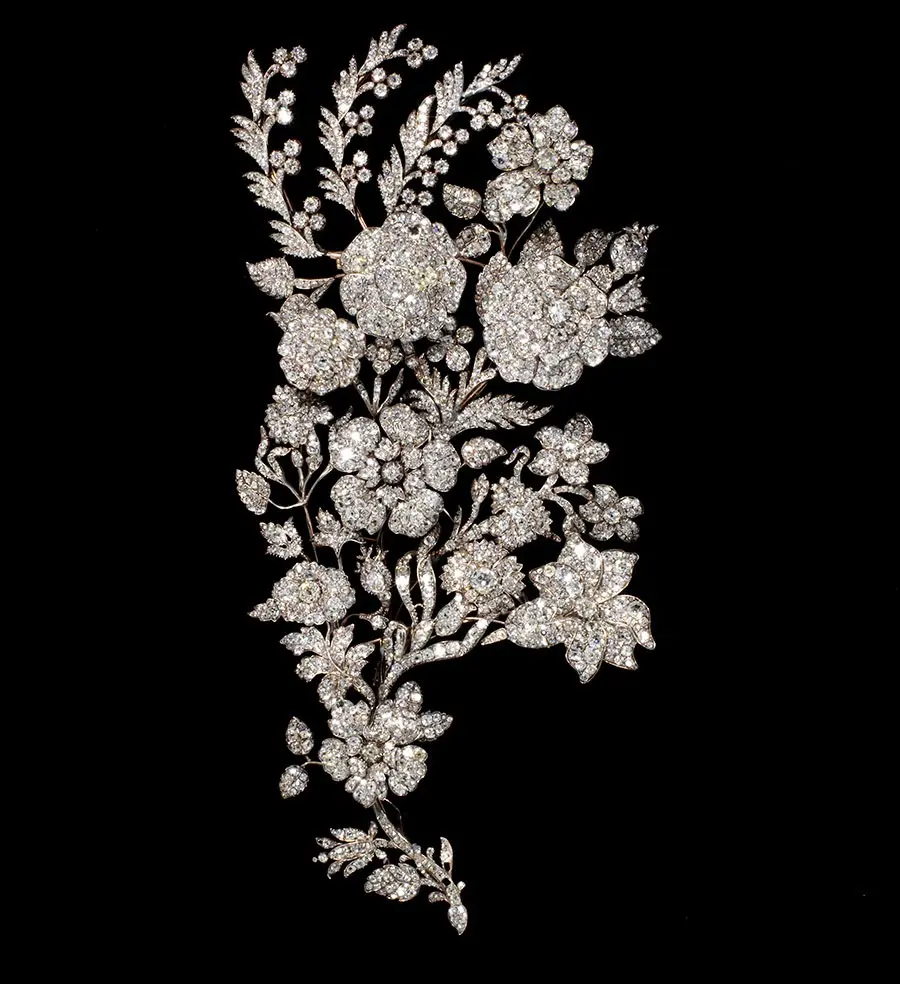
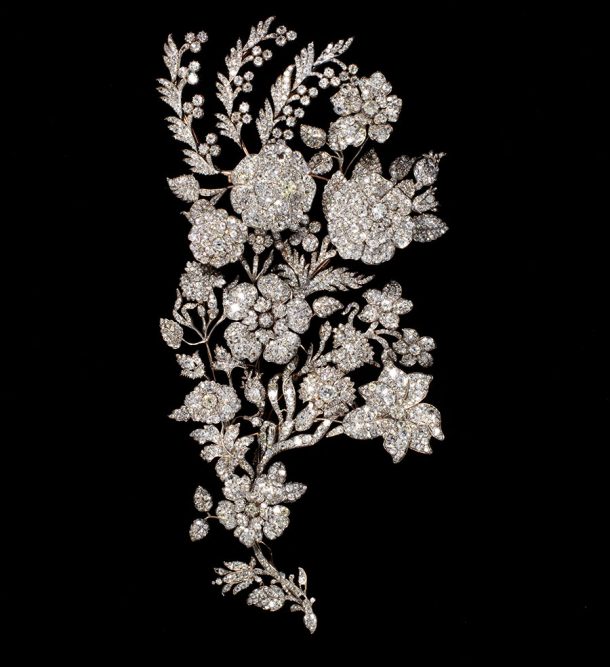
Among the most dazzling items in the V&A’s extensive jewellery collection is a mid-19th-century diamond ornament shaped as a spray of assorted flowers. Crafted around 1850 by an unknown maker, the piece is a striking example of period craftsmanship, featuring delicate components set on tiny internal springs. When the wearer moved, these springs caused the flowers to tremble, dramatically increasing their sparkle under the flickering gaslight of European ballrooms. In their heyday, such dynamic pieces were aptly known as "Tremblers."
The history of the piece is tied directly to the life of Lady Cory, who lived from 1866 to 1947. A passionate connoisseur of 18th- and 19th-century jewellery with an equal love for music, Lady Cory acquired a formidable collection of precious ornaments. Her immense wealth originated from a remarkably brief, three-month marriage in 1893 to Lord Cory, whose fortune was rooted in the coal mining industry. Lady Cory became a well-known fixture at cultural high society events, frequently attending opening nights at the Royal Opera House resplendent in her diamond collections, including the floral spray.
When she passed away, Lady Cory left her complete collection of diamond ornaments to the V&A, transforming the museum’s jewelry galleries by providing a core set of historical highlights. Recognizing that acquiring artifacts is only part of the challenge for a major cultural institution, she also appreciated the ongoing financial needs of the museum. Alongside her physical collection, she generously left a sum of money specifically designated to help the V&A display her collection properly, ensuring that future generations could appreciate the brilliance of mid-19th-century lapidary art in its proper context.
Geoffrey Ackerman and the Imperial Turkish Tankard
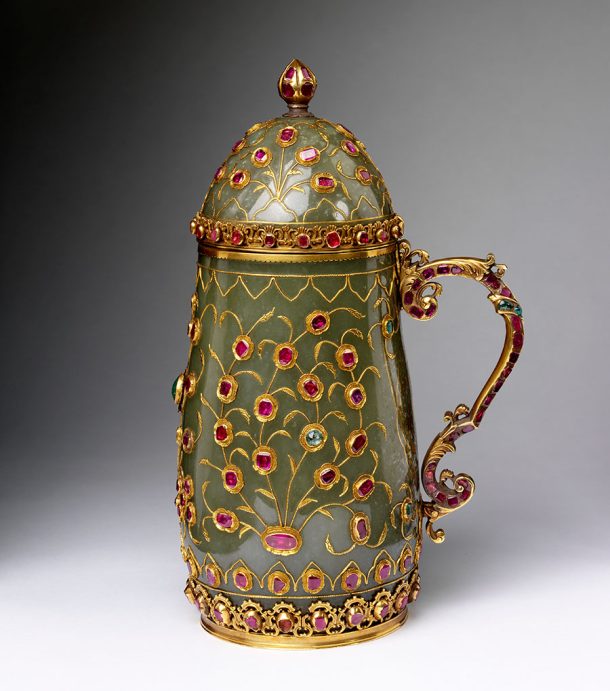
Another centerpiece of the upcoming legacy tours bridges the gap between European philanthropy and Ottoman courtly splendor. The object in question is a magnificent late-16th-century tankard fashioned from nephrite jade and richly decorated with gold wire inlay, rubies, and emeralds. Believed to have been created between 1550 and 1650, likely for the Sultan’s personal use within the opulent confines of the Topkapi Palace, this rare vessel holds the distinction of being the first of its type to enter a public collection anywhere in the United Kingdom.
The path that brought such an imperial treasure to a London museum is a testament to the power of collaborative philanthropy. Geoffrey Ackerman, a dedicated student of history and an avid appreciator of the arts, chose to leave his residuary estate to his favorite charities upon his passing. Through this provision, 6% of his estate was directed to the V&A.
Ackerman’s bequest, however, was only part of the financial puzzle required to secure such a significant international acquisition. The museum was also able to complete the purchase through crucial financial support from dedicated V&A members and the utilization of Her Majesty Government’s Acceptance in Lieu Scheme. The convergence of individual legacy planning, institutional membership support, and state-backed cultural heritage programs ultimately secured an extraordinary piece of Ottoman craftsmanship for the British public.
Hugh Phillips’ Bequest and the Monument to a Georgian "Quack" Doctor
The third major highlight of the legacy tour offers a dose of colorful 18th-century social history through the medium of monumental sculpture. Carved between 1761 and 164 by the sculptor Agostino Carlini, this life-sized statue depicts Joshua Ward, a notorious medical figure who prospered wildly during the 1700s by selling an all-purpose remedy known as the "Pill and Drop" cure, marketed as a remedy for virtually every known human illness. Despite operating outside conventional medical circles, Ward cut a larger-than-life figure in Georgian society, a personality that Carlini’s sculpture captures with theatrical flair.
The presence of this striking work in the V&A’s galleries is the direct result of the foresight of Hugh Phillips. Living from 1886 to 1972, Phillips was an antique dealer based in Hitchin and a respected writer specializing in the history of Mid-Georgian London. His deep engagement with the material culture of the 18th century translated into a generous bequest left specifically to the V&A for the acquisition of 18th-century works of art.
Phillips’ philanthropic vision enabled the museum to make major additions to its sculpture collection, including the statue of Ward. Interestingly, the monument had an unusual journey before finding a permanent home in the museum. It was originally commissioned by Ward himself prior to his death, intended to be erected inside Westminster Abbey. When that plan failed to materialize, the statue was placed in the care of the Royal Society of Arts before finally being acquired by the V&A in 1991. Today, it remains one of the most engaging and popular talking points for guides leading visitors through the sculpture galleries.
The stories of Lady Cory, Geoffrey Ackerman, and Hugh Phillips represent only a fraction of the historical narratives preserved through charitable giving. Visitors interested in learning more about these remarkable acquisitions and the individuals whose foresight made them possible will have the opportunity to hear these accounts firsthand during a specialized, free public tour. The tour is scheduled to take place on Thursday, October 15, at 14:30, forming a key highlight of the museum’s ongoing Legacy Week events.