The pilot round of the Arts and Humanities Research Council (AHRC) Early Career Researcher (ECR) Fellowships has delivered compelling evidence that collective professional development is a critical driver of success within cultural and heritage organisations. Rather than serving as an optional extra, a structured cohort model coordinated by the Victoria and Albert (V&A) Museum emerged as a foundational element in making the pilot fellowship programme a resounding success for both the participants and the wider sector.
The Background
The pilot fellowship programme, funded by the AHRC, was designed to support eight early career researchers placed across seven Independent Research Organisations (IROs). Throughout the scheme, the V&A acted as the Cohort Coordination and Development team, tasked with designing a comprehensive training and professional development programme. The initiative focused directly on the real-world challenges that early career researchers face within GLAM (Galleries, Libraries, Archives, and Museums) and heritage settings, aiming to provide fellows with the essential tools, confidence, and cross-sector networks necessary to navigate complex institutional environments and build sustainable career pathways through and beyond their fellowships.
An independent evaluation of the pilot, conducted by Santra Consulting, reveals that the cohort model—intentionally designed and convened by the V&A coordination team—delivered profound and measurable benefits for the fellows, their host institutions, and the wider heritage sector. Furthermore, the evaluation report indicates that the core aims of the training and development programme were not only fully met but significantly strengthened through the implementation of this collaborative cohort framework.
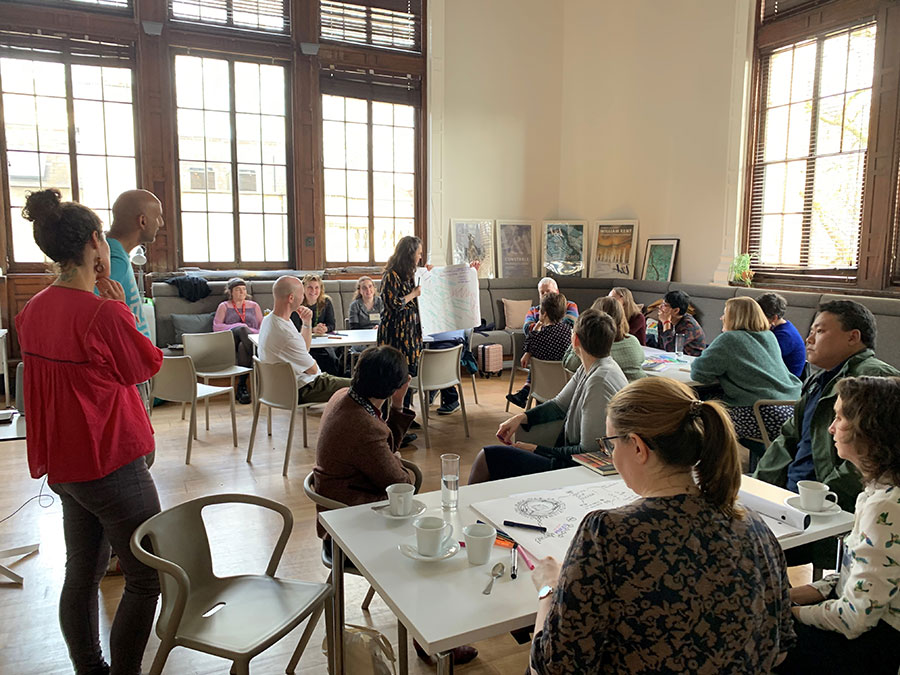
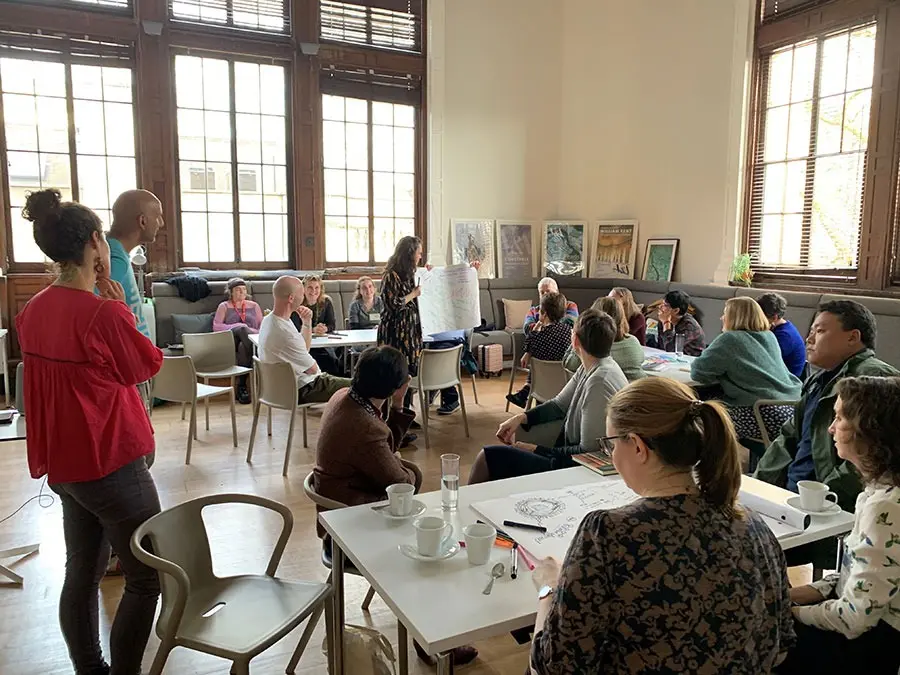
From the very outset, the V&A coordination team built the entire initiative around the fundamental principle of collective support. Recognising that the fellows were geographically dispersed across the United Kingdom, the team established regular touchpoints, including fortnightly online coffee mornings and twice-yearly in-person fellowship events. These gatherings were carefully structured to help participants build strong professional rapport, share daily lived experiences, and cultivate a deep, enduring sense of belonging within a supportive academic community.
The in-person events proved particularly impactful, enabling fellows to visit one another’s unique research organisations. These site visits gave participants a much deeper, tangible understanding of their peers’ specialized work while allowing them to engage collectively with key research issues facing the wider cultural sector. Importantly, these meetings also created vital spaces for informal social interaction, helping to forge lasting professional relationships and personal friendships that extended well beyond the formal boundaries of the fellowship and individual research projects.
Meanwhile, the programmed online coffee mornings served as a cornerstone of the day-to-day fellowship experience. Guided by the fellowship programme coordinator, these sessions offered a regular, informal, and safe space for the researchers to talk openly about project developments, emerging challenges, and personal wellbeing. They provided an invaluable forum to learn from one another’s distinct areas of expertise as well as the specialized insights of the V&A coordination team. This peer-focused knowledge exchange profoundly enriched the entire programme, extending its positive impact far beyond the scope of formal training sessions.

The value of this shared environment was perhaps best captured by one fellow, who observed simply that they did not necessarily find their peer group within their host institution, but instead found their true academic peers within the fellowship cohort. This robust network of collective support provided a vital anchor, helping the researchers successfully navigate the intense pressures and unique dynamics of early career research in large public institutions.
Institutional Impact and Evolution
The integration of these researchers into independent research organisations brought fresh expertise and innovative perspectives directly into host institutions, particularly in the fields of socially engaged, humanities-based, and interdisciplinary research. Many IRO hosts noted that the fellows played a crucial catalyst role in helping their institutions reassess historical collections—particularly regarding complex narratives around colonial histories and marginalized communities. Host institutions widely agreed that the presence of the fellows enabled critical research to take place that otherwise would not have happened.
The measurable impact of the programme was also observed by members of the oversight bodies. As one Steering Committee member reflected, observers witnessed a remarkable sea change over the course of the fellowship: researchers who initially arrived wondering how they could possibly gain traction or make an impact within these storied institutions ultimately emerged by November as confident, robust scholars capable of leading the room.

At the same time, the evaluation report was candid about the challenges experienced by the fellows throughout the programme. Participants encountered notable hurdles, including high workload intensity, inconsistencies in institutional onboarding procedures, and lingering post-fellowship career uncertainty. These very challenges underscored the absolute necessity of the cohort model and the regular fellowship touchpoints, which provided a stable, empathetic community where fellows could share practical survival strategies and offer mutual support during difficult periods.
In response to these findings, the organizing team has been working closely with current fellows and fellowship alumni to refine the framework for the second round of the programme. These efforts are focused on implementing targeted adaptations to address workload, onboarding, and career planning, reflecting a steadfast institutional commitment to responsive, evidence-based programme coordination.
In the evaluation report, external stakeholders frequently described the V&A’s approach to the fellowship programme as highly innovative, seamlessly combining cohort support, dedicated mentoring, professional training, and cross-sector collaboration. Building directly on this proven foundation, the organization announced a major new partnership with the School of Advanced Study (SAS) at the University of London for the upcoming second round of the fellowship scheme.

The School of Advanced Study plays a uniquely vital role in advancing humanities research across the United Kingdom. This strategic collaboration will embed the fellowship within one of the country’s most prominent and expansive humanities research networks, opening up even more interdisciplinary connections, intellectual resources, and professional opportunities for the growing cohort of early career research fellows.
Ultimately, the evaluation of the pilot ECR fellowship programme has demonstrated a clear and inspiring truth: when researchers are supported to grow together, the entire cultural and heritage sector grows with them. The findings confirm that an intentionally designed and carefully supported cohort model is never merely an administrative add-on, but rather a core, defining component of a successful early career fellowship.