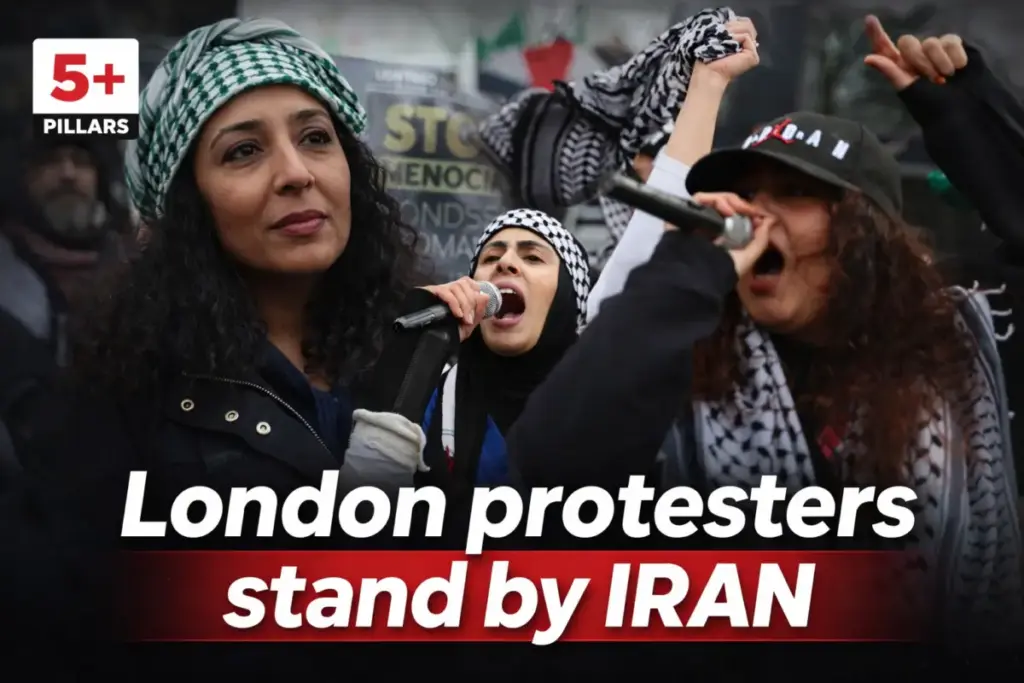
The mobilization brought together a broad coalition of peace activists, community organizers, and concerned citizens who marched through the British capital. Chants echoed across the streets as participants expressed solidarity with the people of Iran and demanded an immediate halt to foreign military interventions in the Middle East. The atmosphere was charged with urgency as speakers addressed the growing threat of a wider regional war, urging international solidarity against actions that they argue destabilize global peace.

Protesters carried an array of prominent placards and banners reflecting a wide spectrum of anti-war and anti-imperialist sentiments. Among the most visible messages were slogans demanding an end to United States-led military campaigns, specifically reading "stop Trump’s wars." Other critical signs were directed squarely at domestic political leadership, including direct calls addressed to Prime Minister Keir Starmer demanding that his administration "stop arming Israel." Additionally, demonstrators held up banners criticizing what they described as "nuclear hypocrisy" among Western nations and calling unequivocally to "stop bombing Iran."
The demonstration highlights growing public anxiety across the United Kingdom regarding the potential for British entanglement in foreign military escalations. Activists at the march emphasized that the unfolding situation in the Middle East poses a catastrophic risk not only to the immediate region but to international security as a whole. They argued that current Western foreign policies—particularly the provision of military assistance to Israel and alignment with aggressive strategies against Tehran—only serve to exacerbate suffering and fuel a cycle of endless violence.

Throughout the mobilization, organizers underscored the interconnectedness of struggles for justice across the Middle East, drawing a direct line between the plight of Palestinians under occupation and the mounting military pressures faced by Iran. The presence of both Palestinian and Iranian flags served as a visual testament to this solidarity, with speakers drawing parallels between the violence witnessed in Gaza and the broader military threats directed at Tehran.
The protest in London is part of a growing wave of international dissent against the policies of Western governments regarding the Middle East. As tensions continue to hover on a razor’s edge, anti-war groups in the UK have vowed to maintain pressure on political leaders, promising further demonstrations should the British government offer material or diplomatic support to any military escalation. The massive turnout in the capital serves as a stark reminder of the deep domestic opposition facing any move toward a prolonged or expanded military conflict in the region.