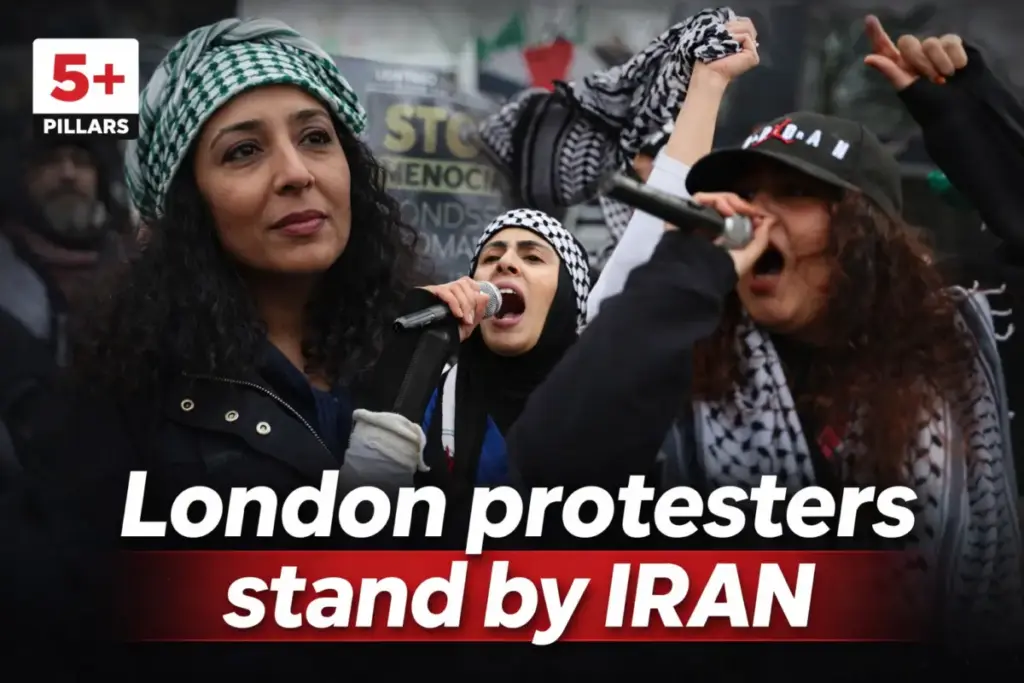
The atmosphere in the British capital was charged with urgency as protesters converged to challenge the diplomatic and military alignment between Western powers and the ongoing hostilities. Marching past iconic landmarks, demonstrators chanted slogans and hoisted signs that directed sharp criticisms at both international and domestic political leaders. The demonstrators expressed deep apprehension that the widening conflict could spiral out of control, dragging the broader international community into a catastrophic confrontation with global repercussions.
Central to the grievances voiced by the crowd was a fierce condemnation of the military tactics currently being deployed against Iran. Activists argued that the joint policies pursued by Washington and Tel Aviv disregard regional sovereignty and exacerbate the suffering of civilian populations already battered by decades of geopolitical turmoil. Placards carried high above the heads of the crowd left little room for ambiguity regarding the sentiments of the attendees. Slogans such as "stop Trump’s wars" and "stop bombing Iran" reflected a profound skepticism toward the strategic objectives driving the military campaigns, with many speakers and participants warning of the devastating humanitarian and economic fallout that invariably accompanies modern warfare.

Domestic British politics also came under intense scrutiny during the demonstrations. Protesters turned their attention toward Prime Minister Keir Starmer and the current UK government, demanding a fundamental shift in British foreign policy regarding the Middle East. A prominent focal point of the march was the UK’s diplomatic and military posture, particularly concerning the supply of weaponry to regional allies. Signs bearing the message "tell Starmer: stop arming Israel" underscored growing domestic pressure on Westminster to sever complicity in actions deemed violations of international humanitarian law. Activists insisted that the British government must distance itself from policies that fuel regional instability, arguing that London’s diplomatic silence or active support effectively greenlights further military aggression.
In addition to demands for an arms embargo and an immediate cessation of hostilities, the London march provided a platform to address broader issues of geopolitical double standards. Activists carried banners that read "end nuclear hypocrisy," pointing to the stark disparities in how international nuclear frameworks are enforced across different nations. Speakers and sign-wielding participants highlighted what they viewed as a blatant refusal by Western powers to hold all regional actors to the same standard of accountability, particularly concerning nuclear arsenals and weapons proliferation in the Middle East.
The visual landscape of the protest was marked by a strong display of international solidarity. Alongside anti-war banners, participants flew Iranian and Palestinian flags side by side, drawing a direct line between the struggles facing populations across the region. For the organizers and attendees, the plight of the Iranian people under the threat of foreign bombardment is inextricably linked to the broader landscape of oppression and conflict affecting Palestine and other neighboring territories. The shared symbols represented a collective resistance against what protesters termed imperialist intervention and militarism.

The demonstration in London is part of a broader wave of civil unrest and public mobilization occurring internationally, as citizens around the globe express profound anxiety over the trajectory of international relations. Observers noted that the demographic makeup of the crowd was remarkably varied, bringing together trade unionists, human rights campaigners, students, and members of various British-Muslim and international diaspora communities. This broad-based coalition emphasized that opposition to the war on Iran transcends narrow political divides, appealing to anyone committed to peace and global stability.
As the march wound its way through the designated route, marshals and speakers repeatedly emphasized the importance of public pressure in shaping national policy. Activists vowed to continue their grassroots organizing, education campaigns, and public demonstrations until the British government heeds their calls to dissociate from foreign military adventures. The collective message from the streets of London was clear and resolute: ordinary citizens are watching closely, and they demand a foreign policy rooted in diplomacy, human rights, and de-escalation rather than endless conflict.