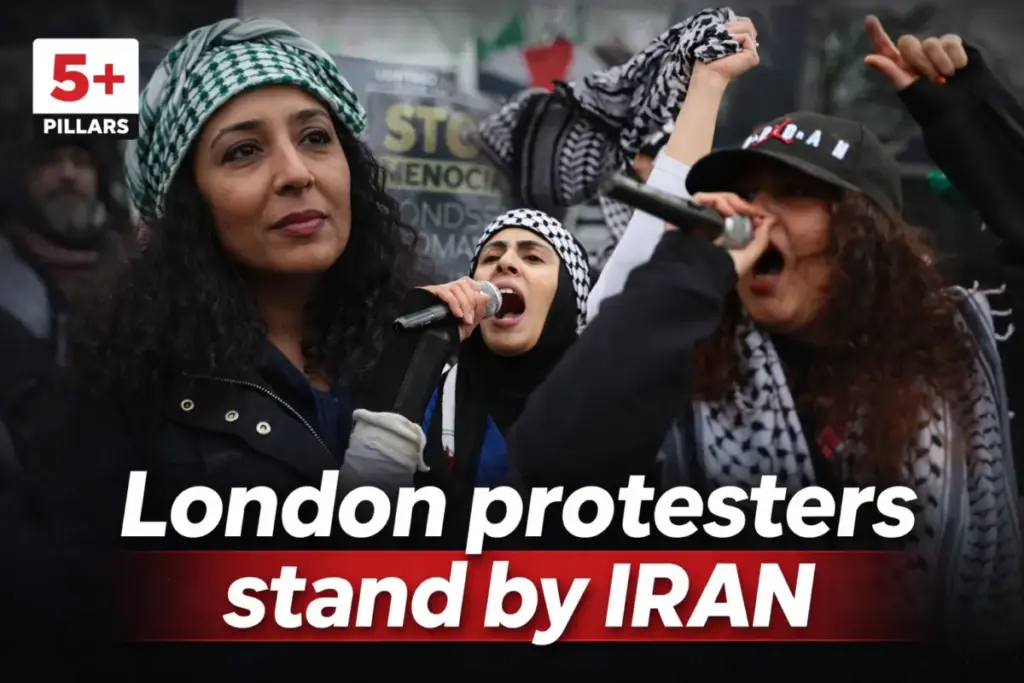
The demonstration, which brought major thoroughfares in the British capital to a temporary standstill, served as a focal point for anti-war sentiment as tensions in the region reached a boiling point. Protesters carried a diverse array of banners, placards, and national symbols, reflecting a broad coalition of political, social, and cultural groups united by a shared apprehension over the trajectory of Western foreign policy. Among the prominent messages displayed during the march were direct appeals aimed at international and domestic political figures. Placards reading "Stop Trump’s wars," "Tell Starmer: stop arming Israel," "End nuclear hypocrisy," and "Stop bombing Iran" were held aloft by demonstrators throughout the procession. Alongside these pointed slogans, a sea of Iranian and Palestinian flags fluttered above the crowds, symbolizing a wider regional solidarity against foreign military intervention and occupation.

Speakers addressing the crowds during the mobilization emphasized the urgent need for the United Kingdom to distance itself completely from any military campaigns targeting Iran. Activists characterized the ongoing military actions and strategic posturing by Washington and Tel Aviv as dangerous and destabilizing, warning that further escalation could trigger a catastrophic wider conflict with global repercussions. Particular criticism was directed at the British government and Prime Minister Keir Starmer, with speakers demanding an immediate halt to British military support and arms exports to Israel, which protesters argued directly facilitate ongoing regional violence and violations of international law.
The atmosphere in London reflected deep-seated public anxiety regarding the prospect of another protracted and devastating conflict in the Middle East, echoing the widespread anti-war sentiment that has historically mobilized large segments of the British public during previous eras of foreign intervention. Organizers stressed that ordinary citizens must continue to apply pressure on political leaders to prioritize diplomatic resolutions over militarism and regime-change agendas. As the march wound its way through the city, chants calling for peace, justice, and self-determination for the peoples of the Middle East reverberated past historic landmarks, capturing the attention of both onlookers and international media outlets.

The demonstration in London is part of an international wave of concern and resistance against escalating hostilities involving Iran, the United States, and Israel, highlighting a growing disconnect between Western governments and a public weary of endless foreign wars.