In the latest installment of the acclaimed video series The Eternal Challenge, scholar Sheikh Sohaib Saeed tackles one of the most foundational and recurrent questions regarding the origins of Islam: Who taught Prophet Muhammad the Quran? The episode dives deep into historical and theological arguments, thoroughly refuting persistent allegations that the Prophet was tutored by contemporary clergymen or that he merely compiled and quoted verses from earlier religious scriptures.

The comprehensive discussion forms part of a broader exploration into the miraculous nature of the Quran, shedding light on how the final revelation was received, preserved, and understood. Throughout the episode, Sheikh Saeed systematically analyzes the historical context of seventh-century Arabia, addressing claims that have persisted from antiquity to modern times regarding outside influences on the Prophet Muhammad.
Addressing Allegations of Human Tutorship
For centuries, critics of Islam have attempted to attribute the eloquence, depth, and profound theological framework of the Quran to human sources, suggesting that Prophet Muhammad learned its teachings from Christian monks, Jewish rabbis, or other learned figures of the era. In this episode, Sheikh Sohaib Saeed dismantles these theories by examining the socio-historical reality of the Arabian Peninsula during the rise of Islam.

The scholar highlights the stark contrast between the environment of seventh-century Mecca—a society primarily oral, commercial, and deeply rooted in pre-Islamic poetry—and the sophisticated legal, moral, and spiritual doctrines presented in the Quran. By evaluating historical timelines, linguistic proofs, and the well-documented profile of the Prophet as an unlettered individual, the presentation illustrates the impossibility of human authorship or mentorship in the creation of the text.
Furthermore, the discussion addresses the assertion that the Quran is merely a derivative work quoting from previous scriptures such as the Torah and the Gospel. Sheikh Saeed explains the theological relationship between the Quran and earlier revelations, emphasizing that while shared prophetic themes exist, the distinct presentation, correction of historical deviations, and unique linguistic miraculousness of the Quran point directly to a divine source independent of human curation.

The Significance of Prophecies Within the Quran
Moving beyond the question of authorship, the episode shifts its focus to a vital pillar of Islamic apologetics and scriptural verification: the role of prophecy within the Quran. Prophecy, defined as foretold news concerning future events that are entirely beyond human calculation or foresight, occupies a central place in establishing the authenticity of divine revelation.
Sheikh Saeed distinguishes genuine prophecy from educated guesses, wise political forecasts, or generalized observations of human behavior. True prophecy requires specific, verifiable outcomes that manifest precisely as predicted, often long after the prophecy has been recorded. Within the framework of the series, these prophecies serve as objective, empirical proofs for the truthfulness of prophets and the divine origin of the texts they delivered.
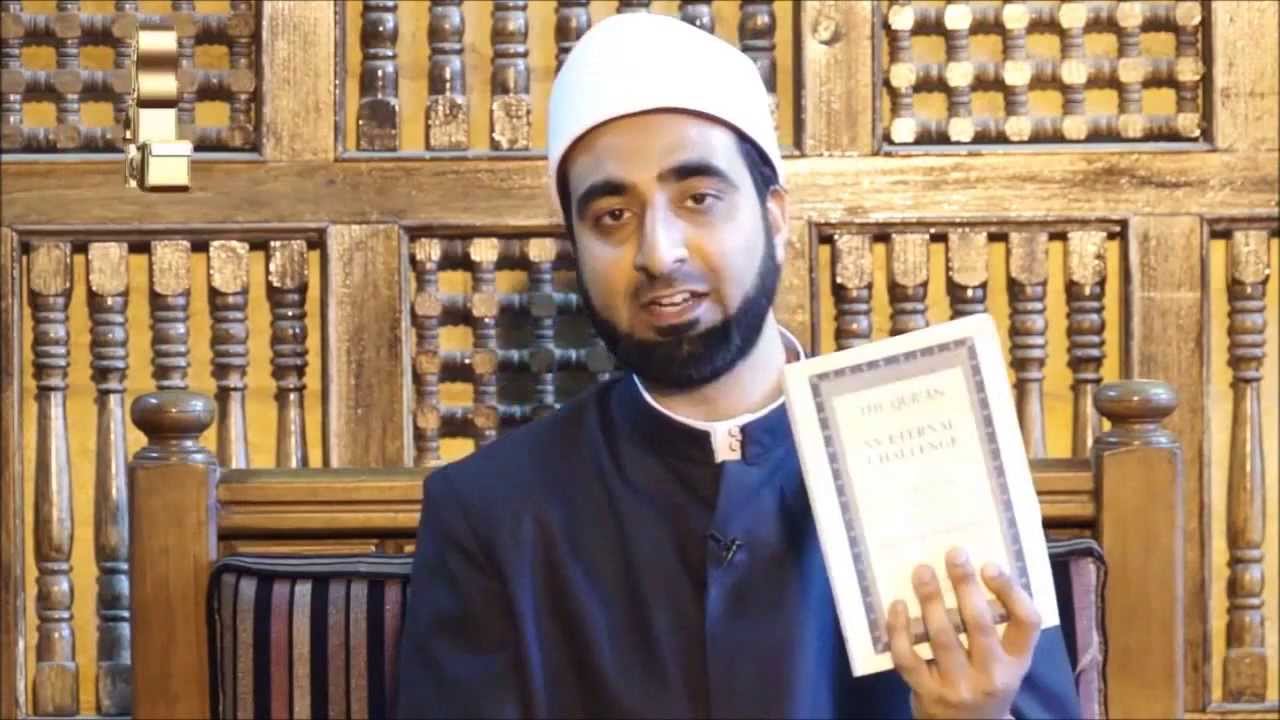
The episode examines several notable examples of Quranic prophecies, discussing how historical events unfolded in exact accordance with what had been foretold years earlier. By analyzing these instances, the presentation offers viewers a structured analytical approach to understanding why the Quran challenges humanity to produce a single chapter like it—a challenge that remains unmatched throughout history.
Continuing ‘The Eternal Challenge’ Series
The release of this episode builds upon a rich library of content developed by Sheikh Sohaib Saeed under the umbrella of The Eternal Challenge, a series dedicated to exploring the multifaceted nature of the Quran. Previous installments have laid crucial groundwork for viewers seeking a deeper intellectual engagement with Islamic scripture.
Among the foundational episodes in the series is "The Eternal Challenge: What is the Quran?", which introduces audiences to the unique literary and spiritual dimensions of the text, setting it apart from standard historical documents or traditional poetry. Subsequent episodes, such as "Eternal Challenge: Prophet and Book of Allah" and "The Prophet Didn’t Make Quran—Rather, Quran Made Him," explore the profound symbiotic relationship between the Messenger and the message, arguing that the psychological and spiritual transformation of Prophet Muhammad himself stands as a primary testament to the external, divine source of the revelation.
Through these discussions, the series aims to equip viewers—both Muslims and those studying Islam from an academic or comparative perspective—with well-reasoned answers to complex theological inquiries. By combining classical scholarship with contemporary methods of communication, Sheikh Sohaib Saeed continues to foster a deeper appreciation of the Quranic text and its enduring impact on global civilization.