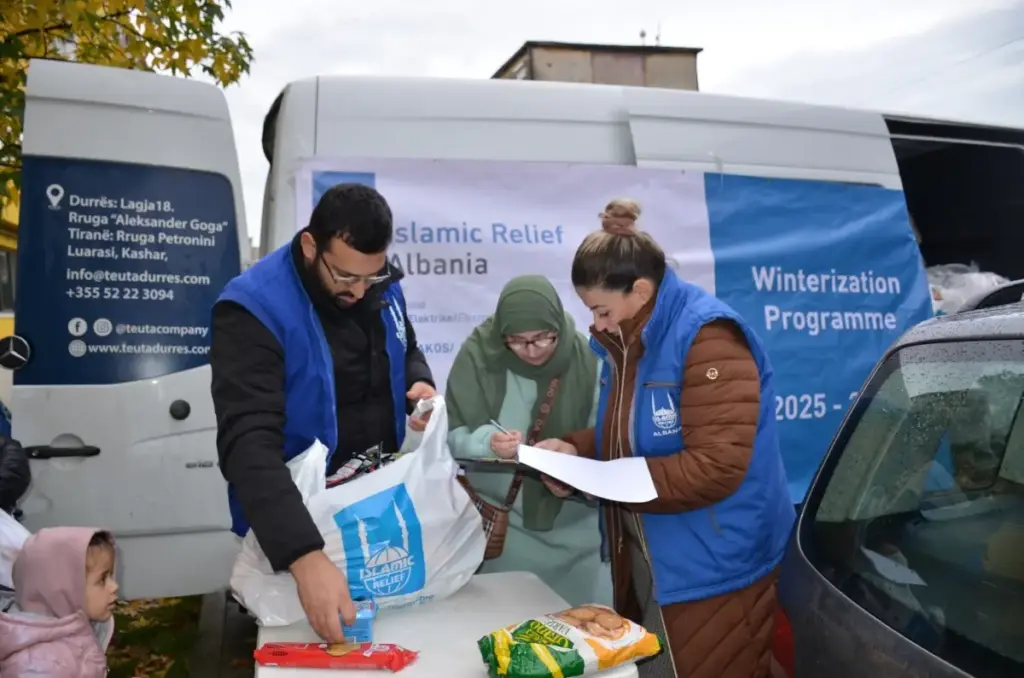
As winter descends with unrelenting severity across parts of the Middle East, Asia, and Eastern Europe, millions of vulnerable families find themselves facing a harrowing seasonal crisis. For many living in displacement camps, impoverished communities, or fragile housing structures, the dropping temperatures mark the beginning of months defined by physical hardship, difficult choices, and deep insecurity. Organizations like Islamic Relief are stepping in with critical aid, striving to bring comfort and survival necessities to those who need it most.
Surviving the Deep Freeze in East Mosul
In an informal camp set up in East Mosul, Iraq, the winter months bring a biting, inescapable chill that penetrates thin canvas tents. For Umm Khaled, a widow who has endured the profound grief of losing much of her immediate family, this season of the year is a daily struggle for survival. Living in meager conditions with no electricity and a severe lack of basic necessities, she bears the heavy responsibility of raising her orphaned granddaughter alone.
"I pray to Allah that the winter ends soon; we suffer the most severe types of oppression and pain because of these harsh, cold days," Umm Khaled explains, describing the relentless nature of the weather.
For months, her survival and that of her granddaughter have been supported by aid distributions from Islamic Relief, which has supplied relief baskets, foam mattresses, and durable blankets. The addition of essential heating materials has altered their daily reality during the coldest weeks of the year.
"You are the ones helping us," she shares. "Thanks be to God, after you provided us with heating materials, my daily suffering has greatly eased, and the heater now works all day."
Stories like Umm Khaled’s highlight the precarious living situations faced by thousands of displaced individuals in Iraq and the wider region. Homes and shelters that are built primarily to withstand scorching summer heat offer little to no insulation against freezing winds, heavy rains, and winter storms. When temperatures plummet, basic survival becomes an everyday battle against hypothermia, dampness, and illness.
Families in Need Are Being Forced to Choose Food or Fuel
The crisis extends far beyond displacement camps, reaching vulnerable households across different political and geographical landscapes. In Albania, families grappling with inflation and economic instability face impossible choices as winter sets in. Widowed Jetmira knows this reality intimately, relying on a combination of support from Islamic Relief and the modest pensions of her mother and aunt to provide for her household’s most basic needs.
The compounding pressures of rising food prices mean that nutritious meals are frequently out of reach. Much of the family’s limited income is diverted toward mounting medical bills for Jetmira’s four-year-old daughter, Ajsla.
"I think malnutrition has affected Ajsla’s weak immunity," Jetmira says. "Almost every month I take her to hospital with various viruses. All Islamic Relief sponsorship has been used only for her medication."
While Jetmira seeks out odd jobs during the spring and summer months to generate small amounts of income, the arrival of winter exacerbates health vulnerabilities and halts seasonal work opportunities, making it the most difficult period of the year. For families caught in this cycle, every financial decision is a compromise between heating the home and putting food on the table.
Beyond the physical provisions of blankets, fuel, and food packs, humanitarian aid often carries a profound emotional dimension for those who have experienced immense personal loss. Reflecting on the ongoing support she has received, Jetmira notes the holistic impact of humanitarian intervention.
"It’s not just in-kind help, it’s more, it’s spiritual, psychological, and emotional healing," she says. "Alhamdulillah, thanks go to Allah SWT, the charitable donors, and you. I remember the day you came to my house; it was not long after my husband had passed away. I am infinitely grateful that you came in and stood like sunshine for us, warming our hearts and homes on our coldest days."
Give Warmth, Save Lives
Across regions in the Middle East and Asia, the transition from mild autumns to brutal winters catches many populations unprepared. Severe storms, heavy snowfalls, and plunging temperatures can devastate communities that lack weather-resistant infrastructure.
To combat these seasonal threats, humanitarian organizations mobilize vast logistical operations every year. During the 2025/26 winter season, Islamic Relief successfully delivered essential winterisation aid to over 89,322 people across 19 countries, helping vulnerable populations withstand the freezing conditions. Additionally, a winter food drive in 2025 coincided with Ramadan, resulting in the distribution of 7,300 food packs that reached more than 21,000 individuals.
Looking ahead to the 2026/27 winter season, the organization has set an ambitious target to assist 142,402 people who are facing harsh weather conditions without adequate shelter or resources.
The annual Winterisation Programme focuses on providing a comprehensive suite of life-saving items, including blankets, winter clothing, food supplies, and essential heating materials such as fuel, firewood, wood stoves, and olive pomace. Furthermore, cash assistance is increasingly being utilized as an effective form of support. This approach provides families with the flexibility to prioritize their most urgent needs, whether that means purchasing specific medications, securing nutritious food, or covering household heating bills.
As temperatures continue to drop in vulnerable communities worldwide, the reliance on continuous donor support remains critical. Through ongoing contributions to seasonal winter appeals, humanitarian agencies aim to shield families from the bitter cold, ensuring that households like those of Umm Khaled and Jetmira find both physical warmth and enduring hope during their most challenging months.