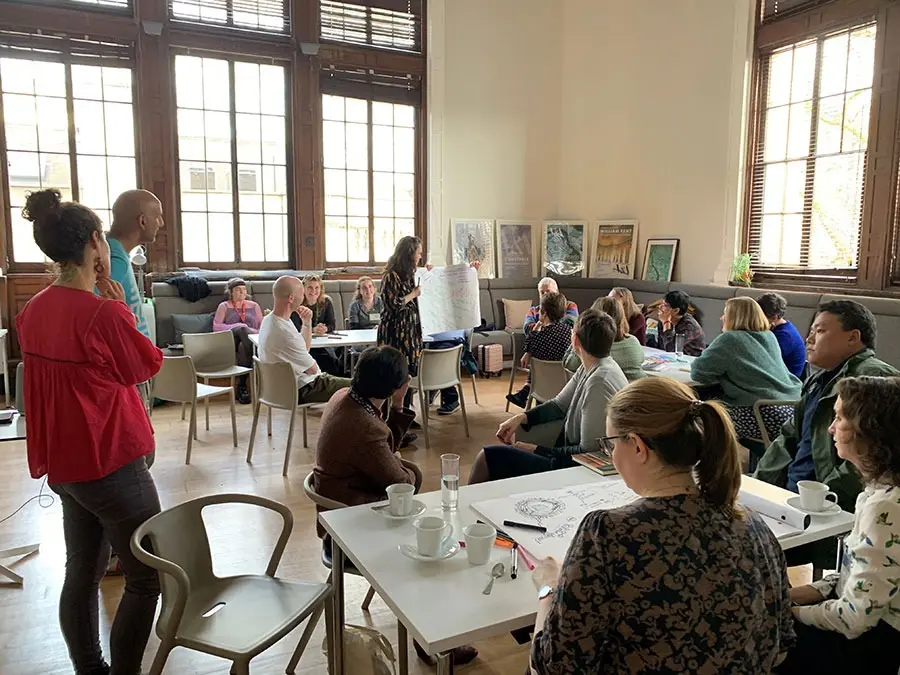
The pilot round of the Arts and Humanities Research Council (AHRC) Early Career Researcher Fellowships has delivered compelling evidence of how powerful collective development can be within cultural and heritage organisations. Rather than serving as an optional extra, the structured cohort model coordinated by the Victoria and Albert Museum (V&A) has emerged as a core pillar of what made the pilot fellowship programme a success.
The initiative was designed to support early career researchers embedded across independent research organisations, bridging the gap between academia and the galleries, libraries, archives, and museums (GLAM) sector. As cultural institutions increasingly look outward to engage with contemporary debates and diverse publics, programmes that support the researchers navigating these spaces have taken on a new level of importance.
The Background
The pilot fellowship programme funded by the AHRC supported eight Early Career Researchers across seven Independent Research Organisations, with the V&A acting as the Cohort Coordination and Development team for the scheme. Organisers designed a comprehensive training and development programme focused directly on the real, everyday challenges early career researchers face in cultural and heritage settings. The primary objective was to give fellows the tools, confidence, and professional networks necessary to successfully navigate these complex environments and to build a sustainable career pathway through and beyond their fellowship tenure.
An independent evaluation conducted by Santra Consulting reveals that the cohort model, intentionally designed and convened by the V&A coordination team, delivered meaningful benefits for the fellows themselves, their host institutions, and the wider GLAM and heritage sector. Furthermore, the evaluation report indicates that the initial aims of the training and development programme were not only met, but significantly strengthened through the implementation of the shared cohort framework.
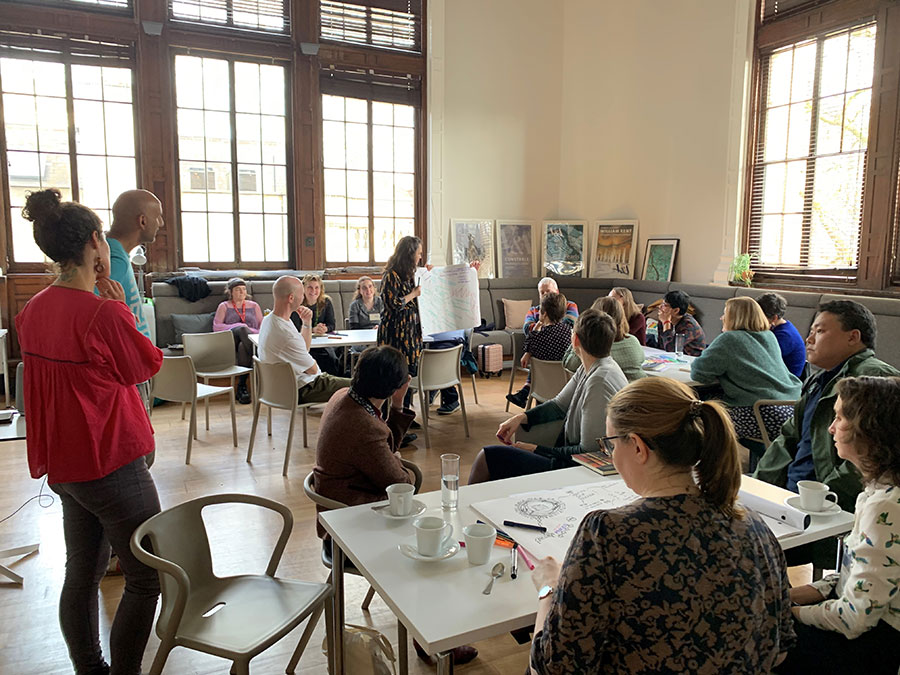
From the outset, the V&A Coordination team built the initiative around the foundational idea of collective support. Recognising that fellows would be geographically dispersed across the United Kingdom, organisers designed fortnightly online coffee mornings and twice-yearly in-person fellowship events as vital opportunities to help participants build rapport, share lived experiences, and develop a deep sense of belonging within a wider professional community.
The in-person events proved particularly transformative, enabling fellows to visit each other’s respective research organisations. These site visits provided a much deeper understanding of their peers’ day-to-day work while allowing them to engage collectively with key sector-wide research issues. Beyond formal academic exchange, these gatherings also created vital space for social moments, helping to build robust professional relationships and personal friendships that extended well beyond the formal duration of the fellowship and individual research projects.
Similarly, the programmed coffee mornings quickly became a cornerstone of the fellowship experience. Guided by the fellowship programme coordinator, these sessions offered a regular, informal space for the fellows to talk openly through project developments, ongoing challenges, and personal wellbeing. It allowed participants to learn directly from one another’s unique expertise as well as the overarching insights of the V&A coordination team. This peer-focused knowledge exchange profoundly enriched the broader programme, extending its impact far beyond the confines of formal training sessions.
Reflecting on the unique dynamic of the group, one fellow described the experience simply: "I didn’t necessarily find my ‘gang’ in the institution, but I found my peers in the cohort."

This strong web of collective support provided a crucial safety net, helping the fellows successfully navigate the intense pressures and isolation that can sometimes accompany early career research in large, historic institutions.
Throughout the pilot, fellows successfully introduced fresh expertise and novel methodologies into their host institutions, particularly in fields such as socially engaged, humanities-based, and interdisciplinary research. Many Independent Research Organisation hosts noted that the fellows actively helped them reassess their collections, prompting crucial institutional conversations around colonial histories, provenance, and underrepresented or marginalised communities. Host organizations widely agreed that the fellowship enabled vital research to take place that simply would not have happened otherwise.
The tangible impacts of the programme were visible in the remarkable professional transformation of the participants. Capturing this evolution, one Steering Committee member reflected on the journey: "We observed a sea change: fellows went in wondering how they could possibly gain traction within these organisations; by November, they had emerged as confident, robust researchers who really led the room."
However, the evaluation report also offered an unvarnished look at the hurdles participants faced, outlining challenges such as intense workloads, inconsistent onboarding processes, and lingering post-fellowship career uncertainty. These very issues underscored the critical importance of the cohort model and the regular fellowship touchpoints, which provided fellows with a stable, empathetic community where they could share coping strategies and offer mutual support during difficult periods.

In response to these findings, organisers are continuing to work closely with current fellows and fellowship alumni to carefully refine the second round of the programme. These efforts focus on targeted adaptations designed to ease transitional pressures and maximize institutional impact, reflecting a steadfast institutional commitment to responsive, evidence-based programme coordination.
In the evaluation report, key stakeholders described the V&A’s overarching approach to the fellowship programme as "innovative," praising its seamless combination of cohort support, professional mentoring, specialized training, and cross-sector collaboration. Building directly upon this proven foundation, organisers have announced an exciting new strategic partnership with the School of Advanced Study (SAS) at the University of London for the upcoming second round of the fellowship programme.
The School of Advanced Study plays a uniquely vital role in championing and advancing the humanities across the United Kingdom. This high-profile collaboration will embed the fellowship firmly within one of the country’s leading and most expansive humanities research networks, opening up even more interdisciplinary connections, resources, and professional opportunities for the next generation of early career research fellows.
Ultimately, the evaluation of the pilot ECR fellowship programme has demonstrated a profound truth for the cultural sector: when researchers are supported to grow together, the entire sector grows alongside them. The findings confirm that an intentionally designed and supported cohort model is far from a mere administrative add-on; rather, it stands as a core and defining component of a successful Early Career Researcher Fellowship.