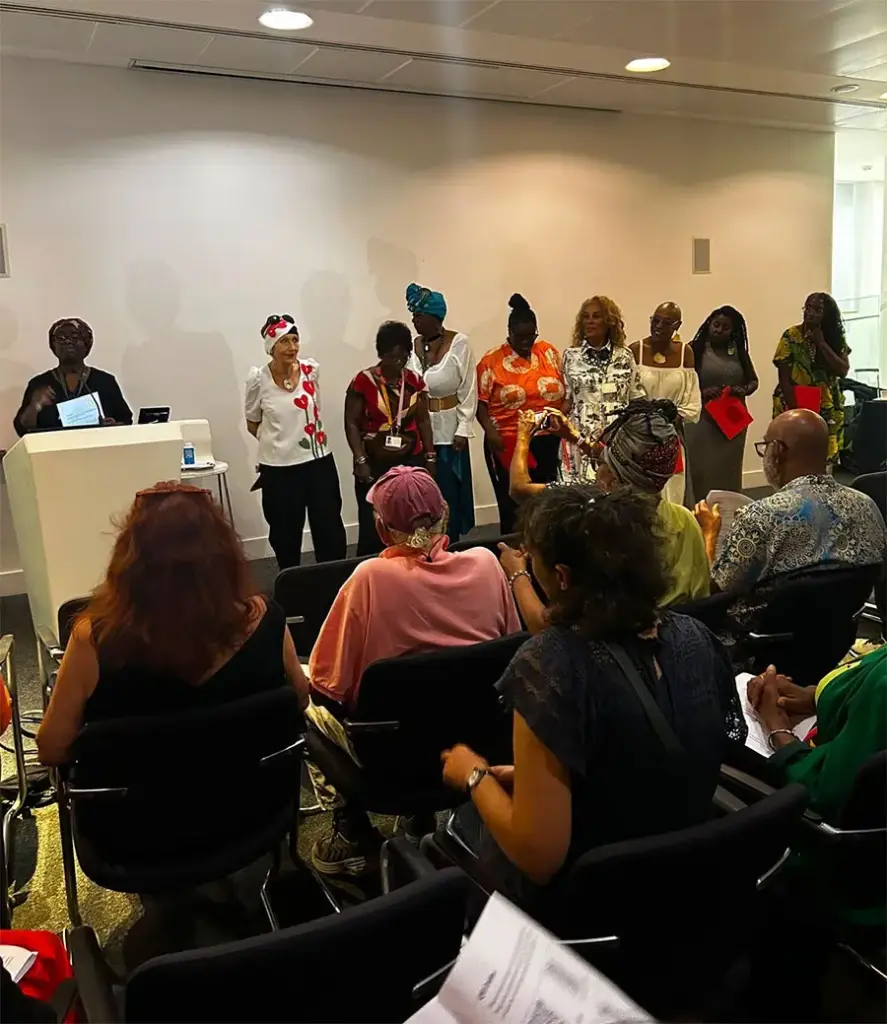
Ten years ago, a pioneering initiative quietly reshaped the cultural landscape of one of the world’s leading art institutions. Spearheaded by Janet Browne, Senior Producer of Audience Development at the Victoria and Albert Museum (V&A) in London, the institution launched its very first African and Caribbean Heritage Tours. Designed to uncover and interpret the often-overlooked histories of people of African descent threaded throughout the museum’s vast permanent collections, the program broke new ground for major cultural institutions in the United Kingdom.
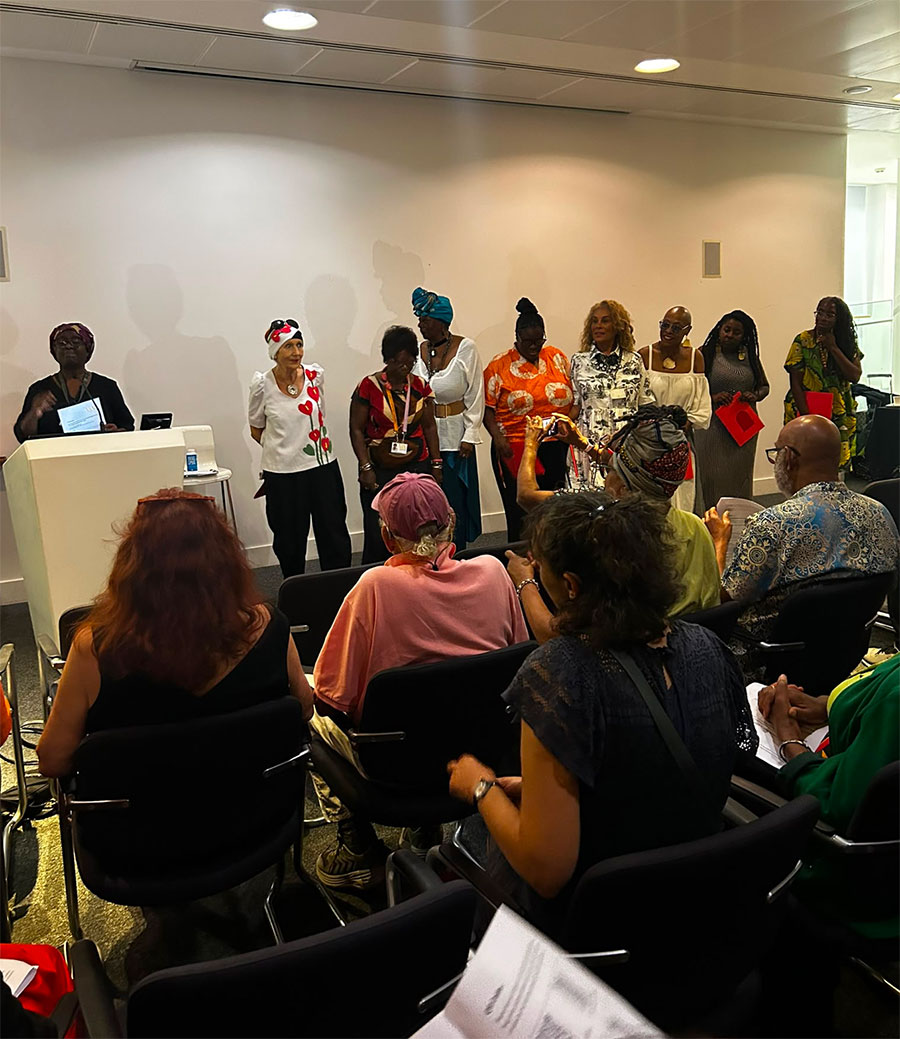
Today, that pioneering initiative is celebrating its ten-year milestone. To mark the occasion, several members of the original cohort of volunteer guides—Pennie Mendes, Joy Johnson, Nadia Denton, Avril Horsford, Kim Sheldon, and Stella Akintan—have shared their personal reflections, detailing a decade of intellectual growth, emotional resonance, community building, and institutional transformation.
“Reflecting on my early tour days to now” by Pennie Mendes
When Pennie Mendes joined Janet Browne’s groundbreaking project, she was far from a novice in the museum sector. Having already worked as a museum guide for a decade, she assumed she was well-equipped for the role. Yet, as a white woman, she felt a profound sense of trepidation about interpreting histories shaped by colonialism, enslavement, and representation—despite having spent more than two decades living and working in the Caribbean.
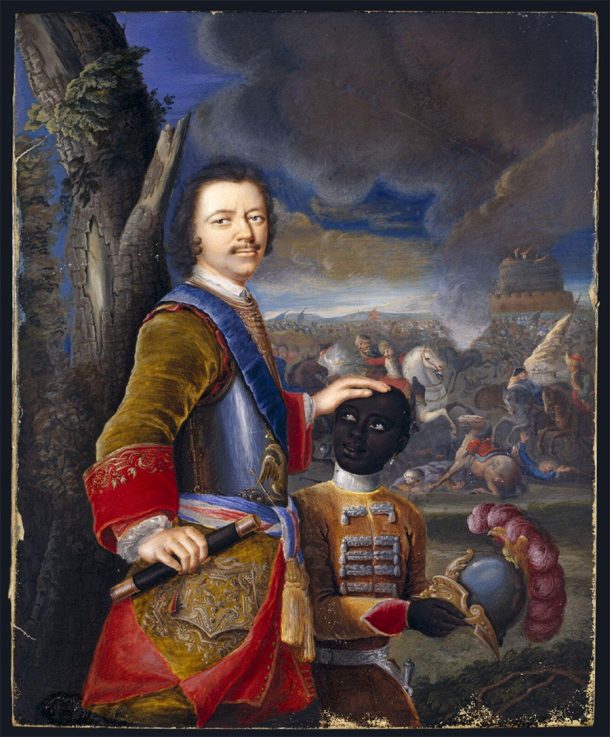
To prepare, Mendes diligently studied course materials, walked the galleries repeatedly, and consulted mentors. Before her official assessment, she decided to test herself by incorporating an African Heritage object into a regular Highlights tour. Standing beside the marble Bust of a Black child in the Europe 1600–1815 Galleries, she explained how young African boys were captured or bought during the 18th century, separated from their families, and displayed as ornamental servants within elite European households and royal courts.

As she spoke, a Black visitor—belonging to a demographic still relatively rare in the museum at the time—approached her and remarked, “Lady, you are a brave person.”
The encounter left a lasting impression, helping Mendes realize that museum objects are never merely inert decorative items. When connected to the realities of a colonial past, they provoke complex emotions ranging from discomfort and anger to sadness and dialogue. Her role, she understood, was not just to provide information, but to cultivate a safe space where difficult histories could be explored openly.
Over the past decade, Mendes has witnessed an extraordinary transformation within the V&A. Collections have expanded to include a much wider selection of African Diaspora objects, predominantly by contemporary artists addressing social and political issues. Notable works include Hew Locke’s Souvenir 4: Princess Alexandra (2019), which explores colonial identity and power; Sokari Douglas Camp’s Wrestling with Oil Shell BP, confronting environmental destruction and gender politics; and Thomas J Price’s Tasman Road, Figure 2 (2008), examining communication and technology.
Further acquisitions like Virgil Abloh’s Sculpture Bag IKEA and Kehinde Wiley’s Melissa Thompson sit alongside collaborative documentary projects such as Charlie Phillips’s photographs of the Nottingham Carnival and Unity 2026, a goldsmithing collaboration connecting artists in Africa and Britain. Mendes hopes these expanding collections will continue to inspire future generations, noting that the tours transformed her own understanding of the vital role museums play in shaping a more inclusive future.

“Guiding the unseen” by Joy Johnson
For Joy Johnson, looking back on a decade as an African Heritage Guide evokes a mix of wonder and disbelief. Stepping into the V&A ten years ago with a notebook and a racing pulse, she participated in Janet Browne’s foundational training sessions, which permanently altered how she viewed the museum’s collections.
One of the early highlights of Johnson’s tenure was receiving a Highly Commended Marsh Award from the Marsh Charitable Trust, recognizing her voluntary service in sharing stories that matter. Beyond individual accolades, Johnson emphasizes the intellectual growth fostered by supportive V&A staff members, workshops, and research exchanges with African Heritage Guides at other institutions.

Reflecting on her journey, Johnson recalls humorous missteps from her early days, including accidentally leading a "magical mystery tour" through unmapped corridors of the V&A, as well as joyous moments at the museum’s annual staff and volunteers’ Christmas party. More than anything, she treasures the connections forged with visitors. Recently, a visitor told her how much she appreciated the unique perspective and flavor each guide brings to their tours. Ten years on, Johnson remains profoundly grateful for the laughter, learning, and shared stories that have defined her journey.
“My 10 Years” by Nadia Denton
Reflecting on her decade-long tenure, Nadia Denton describes her time as a volunteer African Heritage Guide as a period of profound personal and creative enrichment. Connecting the public with the histories of museum artifacts and making those histories relatable has demonstrated an expansive public appetite for historical storytelling.

Denton highlights memorable experiences, such as delivering a condensed version of her tour during a V&A Friday Late event in collaboration with the media platform GUAP, which drew enthusiastic crowds of young adults. She also credits visiting lecturers S.I. Martin and Robin Walker for providing intellectual foundations during her initial training.
Among her favorite objects is the Bust of a Child, attributed to Joannes Claudius de Cock, depicting a very young African boy with remarkable tenderness. She also frequently features The March, a Brussels tapestry from 1718–1824 that depicts a soldier of African descent, illuminating a detail most visitors would otherwise walk right past. Over the years, audiences have frequently expressed gratitude for alternative historical perspectives that challenge conventional school curricula, empowering them to explore the museum with a more critical and curious eye.

Avril Horsford
Avril Horsford reflects that when the inaugural group of guides launched the program ten years ago, few could have anticipated its longevity or its role as a forerunner for similar initiatives across other cultural establishments. What began with theatrical nerves evolved into a deeply rewarding journey filled with excitement, fun, and personal development.
Horsford notes that she viewed the tours almost as a performance, engaging passing visitors and enchanting them with historical narratives. She was particularly moved by the emotional investment of older Caribbean visitors, who often returned multiple times with family members to reminisce about life "back home."

Describing the dynamic atmosphere of her early tours, Horsford compares the audience engagement to the spirited participation found in Black churches. Rather than a traditional, one-way lecture, the tours developed a unique "call and response" pattern of communication. Audiences would vocalize their approval, add historical context to the middle of sentences, and establish a new form of gallery etiquette rooted in expressive cultural backgrounds—a bond Horsford says she will cherish for life.
Kim Sheldon
Kim Sheldon approaches her tours by asking visitors to physically lean in—to step closer to a painting from 1616 and look past the horses and banners to find three figures they did not expect to see. The painting is The Ommegang in Brussels on 31 May 1615: The Triumph of Archduchess Isabella by Denys van Alsloot. Among the thousands of documented faces are a camel driver, a drummer, and a young boy fanning a king with feathers—individuals integrated into the scene without grand fanfare, serving as quiet proof of an African presence in Europe centuries ago.

For Sheldon, finding people who look like her painted into a European celebration from 1615 allows her to tell visitors the simple, powerful truth that "we were always here." Over the years, she has paired historical artworks with contemporary pieces like Sokari Douglas Camp’s Wrestling Oil Shell BP, tracing a journey from being painted onto the margins of someone else’s story to creating art about one’s own world on one’s own terms.
Stella Akintan
Stella Akintan remembers jumping for joy upon receiving her appointment as an African Heritage Guide, having previously spent years studying Black history in community settings. She recalls the vision of Janet Browne, who recognized that more could be done to improve representation well before the Black Lives Matter movement brought these issues to global attention.

Akintan notes that the tours were distinct from the outset, combining rigorous historical context with an appreciation of craftsmanship. While the tours have welcomed crowds ranging from 60 to 100 people at a time, they also confront difficult legacies. Discussions surrounding objects like the Ethiopian Crown often prompt visitor frustration and anger regarding historical injustices, while highlighting ongoing debates surrounding museum restitution and the legal constraints imposed by legislation such as the Heritage Act 1983.
Despite these heavy histories, Akintan expresses immense pride in her fellow guides, museum staff, and managers who have worked tirelessly to keep these narratives visible. On July 17, 2026, the African Heritage guides were formally recognized for their decade of service, receiving certificates and letters from V&A Director Tristram Hunt during an anniversary celebration event—marking ten years of challenging, expanding, and humanizing the stories told within London’s museum walls.