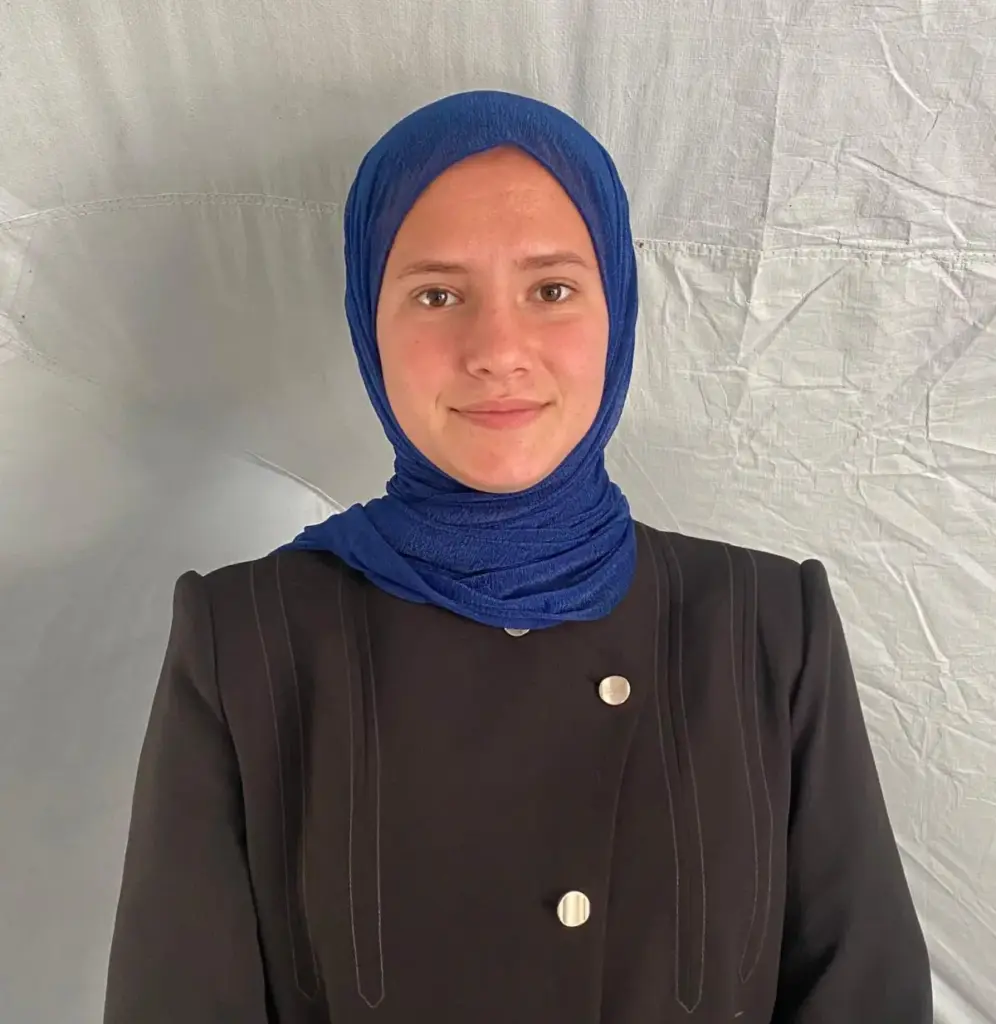
At just 18 years old, Malak is refusing to let go of the ambition that has guided her through childhood: the desire to become a medical doctor. Today, her reality is starkly different from the future she envisions. She lives alongside her mother and her two brothers, Uday and Atef, inside a temporary tent in Gaza, a far cry from the permanent concrete home their family once occupied before it was reduced to rubble by conflict. Daily life is fraught with hardship, characterized by deep uncertainty and an unyielding struggle for survival. Yet, despite the staggering obstacles that surround her, Malak remains fiercely determined to continue her education and forge a meaningful path forward.
Her academic journey thus far is a testament to extraordinary resilience. Amidst widespread displacement, instability, and the systemic disruption plaguing the region, Malak managed to complete her high school education with an exceptional score of 96%. Following this remarkable achievement, she took a decisive step toward her lifelong aspiration by enrolling in medical school. For years, she had pictured herself wearing a white coat and walking hospital corridors to heal the sick. Gaining admission was a triumphant milestone, but sustaining that momentum has proven to be an uphill battle against overwhelming odds.
The infrastructure required to support higher education in Gaza has been severely compromised. Many universities and educational facilities have suffered structural damage or total destruction during the ongoing crisis, forcing academic institutions to pivot toward online learning. For students like Malak, however, digital classrooms present immense logistical hurdles. Reliable internet access is remarkably scarce and difficult to secure. Furthermore, attending remote lectures and completing rigorous coursework demands proper equipment, including a functional laptop—a luxury that remains out of reach for her household.
Financial constraints compound these academic barriers. University tuition fees represent a major financial hurdle, and with the family’s current resources entirely depleted, they cannot afford these costs without external assistance. Every step Malak takes toward her degree requires navigating a maze of scarcity, where basic academic tools and administrative fees are constant points of anxiety.
Studying While Living with Pain
Malak’s daily reality is complicated further by a severe, untreated physical injury. During the conflict, she was shot, and the bullet remains lodged dangerously inside her abdomen. This grave health concern requires constant monitoring and specialized medical attention. She routinely attends medical check-ups while waiting anxiously for a surgical procedure to remove the bullet. However, that vital operation is currently unavailable to her within Gaza’s collapsing healthcare system, which is buckling under the weight of immense strain, shortages of medical supplies, and overwhelmed facilities.
Living with chronic pain and the looming threat of an unresolved medical condition would deter most individuals, but Malak persists. She balances her demanding medical studies with a profound commitment to supporting her family at home.
Within the confines of their temporary shelter, she shoulders a significant share of domestic responsibilities, assisting her mother with everyday tasks such as cooking, cleaning, and washing. Her mother works tirelessly in a small local bakery to help keep the household afloat, but the meager wages she earns are entirely insufficient to cover the family’s basic survival needs, let alone specialized medical or educational expenses.
Life After Losing Their Home
Before the crisis shattered their routine, Malak and her family lived securely in a standard concrete house, shielded from the elements and enjoying the stability of a permanent home. The destruction of that residence stripped them of their physical security, replacing it with a worn, weathered tent. This makeshift shelter offers little to no protection against the bitter cold of winter, the intense heat of summer, or heavy downpours that threaten to flood their living space.
The family’s list of urgent, unmet needs is extensive. They require a sturdier tent structure, reliable waterproof coverings, mattresses, blankets, basic cooking equipment, cooking gas, a functional water tank, regular food supplies, essential hygiene items, and a dependable source of artificial light to navigate the long hours after dark.
For Malak specifically, the burdens include needing basic personal items like clothing and shoes, alongside critical financial assistance to settle her university fees and acquire the laptop necessary to keep pace with her medical curriculum.
How Islamic Relief Supports Orphaned Children
In the midst of these profound trials, Malak’s family has found a crucial lifeline through the support of Islamic Relief, which steps in at a time when soaring inflation, market shortages, and continuous displacement have made basic survival increasingly difficult for vulnerable households in the region.
Islamic Relief has maintained a steady presence in Gaza, supporting orphaned children since 1999 through its established Orphan Sponsorship Programme. The initiative is designed to assist children who have tragically lost one or both parents, offering their families a regular monthly financial payment that helps stabilize their domestic environment.
This structured support system grants families the autonomy to allocate funds toward the needs they deem most urgent and pressing, whether that involves securing daily nutrition, covering critical healthcare expenses, funding educational materials, or addressing other vital household costs. Beyond monthly financial assistance, Islamic Relief endeavors whenever feasible to include sponsored families in broader seasonal aid initiatives. This includes participating in Ramadan and Qurbani food distributions, distributing Eid gifts to children, and delivering specialized winter assistance packages to help families endure harsh weather conditions.
The scope of this humanitarian programme has expanded significantly in response to the current crisis. Today, Islamic Relief is actively supporting nearly 25,200 orphaned children across Gaza, providing a vital safety net in an environment defined by deep instability. Despite this extensive outreach, the immense scale of need is underscored by the reality that over 5,100 orphaned children remain on the organization’s waiting list, hoping for the opportunity to secure a sponsorship.
A Chance to Keep Moving Forward
For Malak, the pursuit of a university education transcends the conventional goal of earning a professional degree or securing a future career. Her motivation is deeply rooted in personal empathy and a desire to heal. She harbors a profound hope that by eventually becoming a doctor, she will possess the medical knowledge and the compassion required to care for patients who are experiencing the exact same pain, trauma, and hardship she has lived through herself.
Despite losing her home, enduring a serious and unresolved physical injury, navigating daily danger, and confronting seemingly insurmountable institutional and financial barriers, Malak has resolutely refused to abandon her childhood dream.
With sustained humanitarian backing and targeted assistance, young people like Malak are empowered to continue learning, hold onto resilience, and work steadily toward building a more secure and stable future for themselves and their communities.