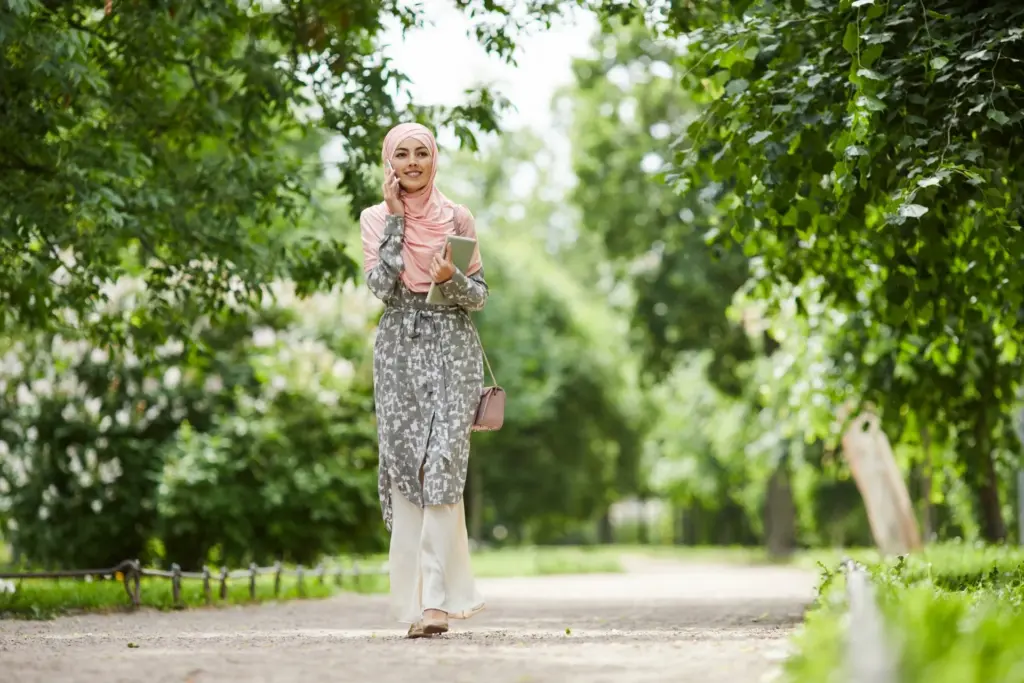
For many across the United Kingdom, the arrival of summer is a moment eagerly anticipated throughout the rest of the year. While the British summer weather can famously be described as unpredictable—a true mixed bag of unexpected heatwaves and sudden showers—its arrival brings a collective shift in mood. As the mornings grow brighter and the days stretch longer, the natural sunlight acts as an immediate psychological lift, infusing daily life with renewed energy, warmth, and a sense of optimism.
Longer daylight hours mean that life moves outdoors. For families, it is a season defined by school holidays, children splashing in backyard pools, spontaneous picnics in local parks with friends, and quiet evening walks as the sun sets over the horizon. These quintessential summer moments form the backbone of the warmer months, creating a vibrant atmosphere across neighborhoods and green spaces. Yet, beneath the undeniable joy of the sunshine lies a specific, lived reality for Muslim women who wear the hijab. While the rest of the country sheds layers to soak up every possible ray of ultraviolet light, navigating the summer months as a hijabi involves a completely different set of seasonal experiences, balancing the love for the season with the unique physical challenges that come with modest dress in rising temperatures.

As a long-awaited bank holiday approaches against a backdrop of shifting public health measures, lifting restrictions, and fluctuating infection rates, families across the nation are planning how to spend their time. Whether individuals choose to celebrate the long weekend by gathering cautiously with friends and family or by keeping activities strictly within their immediate households, the seasonal routine remains largely the same. People are heading outdoors, firing up barbecues, and attempting to make the most of the weather while it lasts.
Yet, this seasonal transition prompts a relatable reflection among communities of women who wear the hijab about the humorous yet genuinely frustrating aspects of warm-weather dressing. While the overarching narrative of summer is universally positive, those who observe the hijab encounter a series of minor, highly specific inconveniences when the thermometer begins to climb.

Managing multiple layers of fabric when temperatures peak requires a distinct level of planning and patience. Fabrics that feel breathable in the spring can suddenly feel entirely different under direct sunlight. Simple daily tasks—such as packing for a park outing, managing children on school break, or simply stepping out the front door—are met with considerations that non-hijabi peers rarely have to factor into their day. Issues ranging from unexpected tan lines to the constant adjustment of pins and underscarves in humid weather form a shared, unspoken camaraderie among those navigating the season.
Despite these daily hurdles, the sentiment among those who wear the hijab remains overwhelmingly positive. The physical inconveniences of the heat do little to diminish the deeper appreciation for the summer season itself, nor do they overshadow the personal connection to faith and identity that the hijab represents. For many, navigating the warmth is simply part of the rhythm of the year—a minor compromise in exchange for the long daylight hours, the vibrant social gatherings, and the overall rejuvenation that summer brings to daily life.

As communities settle into the rhythm of the warm months, balancing the joys of outdoor picnics and family time with the realities of seasonal dressing, the conversation remains open. The shared experiences of adjusting to the heat, laughing at the minor annoyances, and continuing to embrace the sunshine highlight a resilient blend of practicality and personal pride.