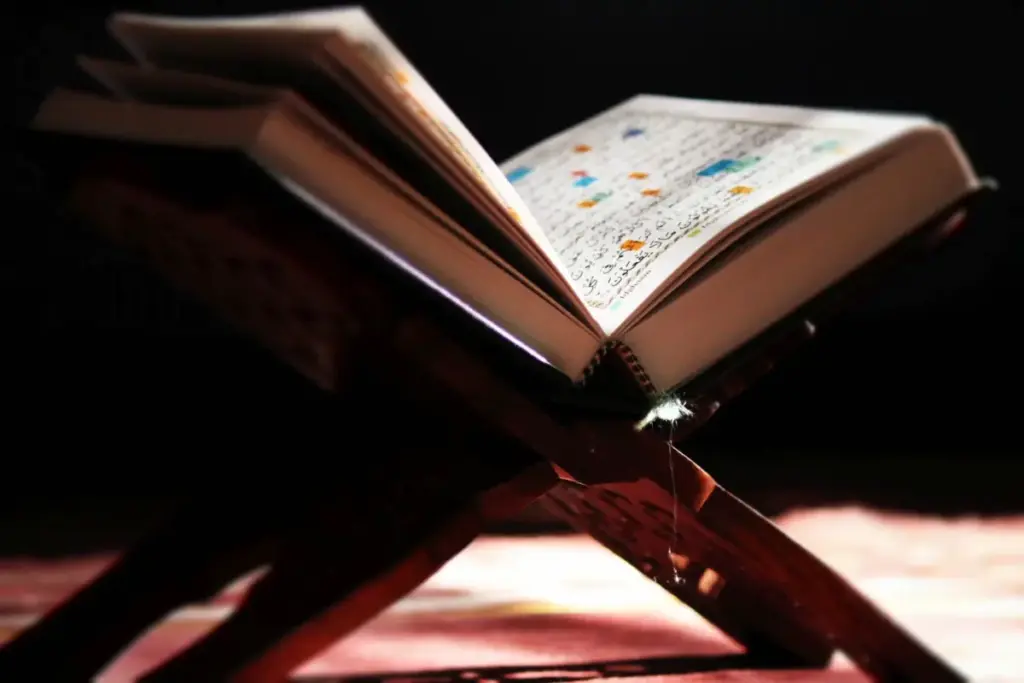
The question of how the Quran was transmitted to Prophet Muhammad has remained a central point of theological discussion, academic inquiry, and interfaith dialogue for centuries. In a compelling episode of the widely followed Eternal Challenge series, prominent scholar Sheikh Sohaib Saeed tackles this profound subject head-on, offering a detailed analysis of the origins of Islamic scripture and addressing long-standing historical allegations.

Presented by Sheikh Sohaib Saeed, the video focuses on dismantling various claims historically leveled against the authenticity of the Islamic revelation. Among the primary arguments addressed in the episode are assertions that human instructors—specifically Christian or Jewish clergymen of the era—secretly tutored Prophet Muhammad, or that the Prophet simply compiled and quoted narratives from previous Abrahamic scriptures. Through careful historical and textual analysis, the series seeks to demonstrate the unique and unassisted divine nature of the Quranic text.
Central to the discussion is the nature of prophecy itself. In the newly released episode, Sheikh Sohaib Saeed elaborates on the definition of biblical and Quranic prophecy, distinguishing it clearly from educated guesses, geopolitical predictions, or philosophical wisdom. Prophecy, as defined within the theological framework of the series, involves foretold news regarding specific future events that are entirely beyond human calculation or foresight at the time of their utterance. According to scholarly perspectives presented in the series, the presence of accurate, unfulfilled prophecies that later materialized with striking precision serves as one of the vital, empirical proofs for the truthfulness of prophets and the divine origin of the messages they delivered.

The episode forms part of a broader, ongoing initiative by Islamic scholars and educational platforms to make deep theological and historical concepts accessible to contemporary audiences worldwide. The Eternal Challenge series has consistently explored the literary, historical, and spiritual dimensions of the Quran, inviting viewers to critically examine the claims surrounding the book’s composition and preservation. By breaking down complex historical counter-arguments, the series provides structured, reasoned responses to skepticism regarding the prophethood of Muhammad and the genesis of the Islamic holy text.
Throughout the series, Sheikh Sohaib Saeed has guided viewers through various facets of the Quranic miracle, examining its unmatched linguistic structure, its historical context in seventh-century Arabia, and the transformative impact it had on early Muslim society. Previous installments in the Eternal Challenge collection have explored foundational concepts, including the definition of the Quran as an everlasting literary and spiritual phenomenon, the unique relationship between the Prophet and the Book of Allah, and the profound argument that the spiritual magnitude of the Quran ultimately shaped and defined the character of the Prophet himself, rather than the Prophet fabricating the scripture through personal authorship.

As global interest in comparative religion, Islamic history, and scriptural studies continues to grow, programs like the Eternal Challenge provide valuable educational resources for students, researchers, and individuals seeking a deeper understanding of Islamic theology. The ongoing digital availability of these lectures ensures that complex academic and theological defenses of the Quran remain accessible to a diverse international audience navigating questions of faith, history, and revelation in the modern era.