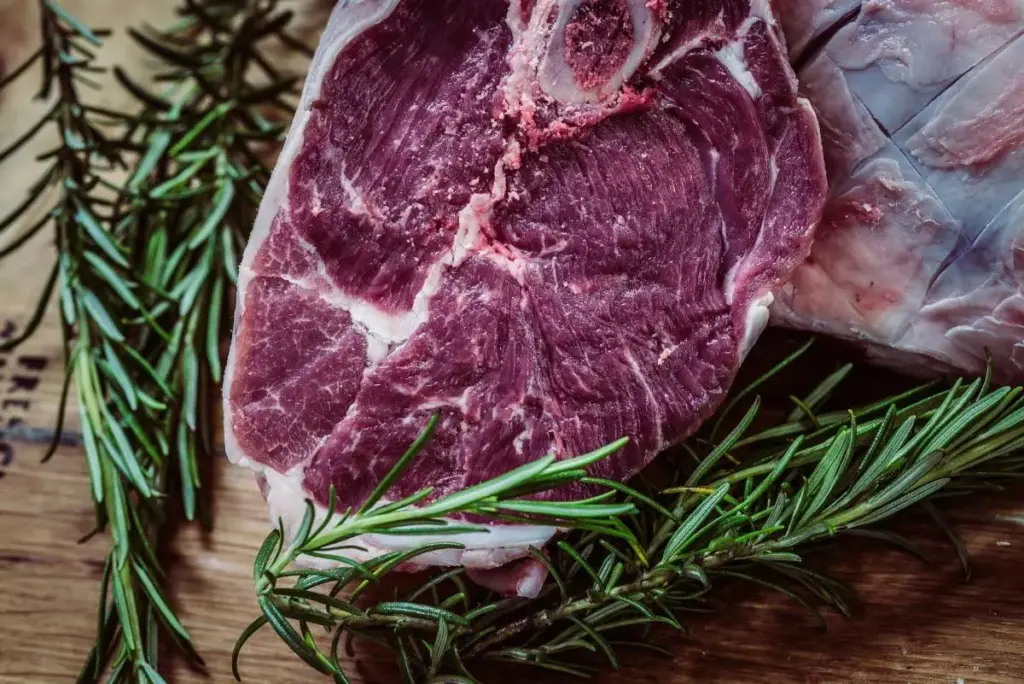
From the loading dock to the chiller room, halal and conventional meat processing facilities can look remarkably identical. Both operate under strict veterinary supervisions, comply with baseline food-safety laws, and utilize the same industrial machinery for chilling, cutting, and packaging. Yet, beneath this surface similarity lies a distinct operational divide. The differences come down to roughly five critical elements: who holds the knife, which anatomical vessels are severed, the spoken invocation of God, the handling of animal stunning, and the rigorous protocols required to keep halal carcasses certified and physically segregated from non-halal products.
This operational distinction carries immense economic and cultural weight. Muslim consumers worldwide spent an estimated $1.5 trillion on food in 2024, a figure projected by the State of the Global Islamic Economy Report 2025/26 by DinarStandard to reach $2.1 trillion by 2029. Much of this global demand is met by major agricultural exporters—including Brazil, Australia, European nations, and the United States—where facilities frequently run both halal and conventional processing shifts under the same roof. For exporters, each religious requirement represents a concrete operational line item: employing trained Muslim slaughtermen, operating at slower line speeds, paying certifier fees, and managing the severe commercial risk of market disqualification if a standard shifts.
The divergence between the two processes begins with the personnel and the cut rather than the animal’s entry into the facility. Both types of processing plants receive livestock under identical veterinary regulations. In England, for instance, both facilities ultimately answer to the oversight of the Food Standards Agency. However, a halal processing line superimposes specific religious requirements onto this baseline framework, transforming a standard industrial procedure into a ritual act.
In a conventional plant, any licensed operative can perform the slaughter of any licensed species, including pigs, and no verbal invocation is required. Stunning is universally mandated prior to slaughter for livestock in the European Union, the United Kingdom, and the United States, followed by standard chest sticks or neck cuts, and routine traceability measures. By contrast, a halal plant restricts processing exclusively to permitted species, completely excluding pork and its derivatives, and often refusing facilities that handle pigs on-site unless strict physical separation is maintained. Animal checks require not only ante-mortem veterinary inspections, but also the verification that the animal is alive and healthy at the exact moment of the cut. The slaughterman must be a sane adult Muslim trained in halal protocols, and in jurisdictions like England, must hold a formal certificate of competence. As the knife cuts across the throat, the slaughterman must pronounce the Tasmiyah, stating "Bismillah, Allahu akbar," meaning "In the name of God, God is greatest." Stunning is either omitted entirely under religious exemptions or restricted to reversible methods, depending on the requirements of the certifying body. This is followed by a single swift cut, a mandatory full bleed-out before further processing, and strict segregation and labeling protocols checked continuously by independent certifiers.
The religious foundation for these practices is rooted directly in Islamic jurisprudence. The Quran explicitly outlines prohibited meats while carving out a legal exception for animals properly slaughtered. In Surah Al-Ma’idah, the text forbids dead animals, flowing blood, swine, and animals dedicated to other than God, alongside those killed by strangulation, violent blows, falls, or goring, while providing an exception for those slaughtered before death. Islamic jurists derived the precise rules concerning the cut, the qualifications of the slaughterman, and the verbal invocation from these scriptural verses and recorded prophetic traditions. A notable narration from Sahih Muslim emphasizes gentleness and precision, instructing handlers to sharpen their knives and allow the animal to die comfortably.
Animal handling before the cut represents another area of intersection and distinction. While animal welfare and inspection standards remain uniform across both plant types, halal regulations mandate that the animal must be alive and uninjured when the cut is made. An animal that expires in the holding pen, during transit, or from a failed stun is classified as carrion and cannot be commercialized as halal under any recognized standard.
International regulatory bodies have formalized these parameters. The International Islamic Fiqh Academy, the jurisprudence body of the Organization of Islamic Cooperation, adopted Resolution 95 in Jeddah in 1997, establishing that meat from a stunned animal is lawful only if technical verification confirms the animal did not die from the stun prior to the ritual cut. This single condition places immense commercial pressure on facility operators. If a plant sets its electrical stunning parameters too high, it risks inadvertently killing the animal before the cut, instantly transforming an entire halal batch into rejected product. Furthermore, standard halal plant practices discourage sharpening blades in front of the animals and slaughtering one animal within sight of another, adhering to welfare guidelines derived from prophetic traditions.
The question of who is authorized to perform the slaughter remains strictly regulated. Malaysia’s MS 1500:2019, the Gulf Standardization Organization’s GSO 993:2015, and the Standards and Metrology Institute for Islamic Countries’ OIC/SMIIC standard all mandate a qualified Muslim slaughterman. While classical jurisprudence historically accepted slaughter by People of the Book under specific conditions, most modern commercial halal standards do not rely on this provision. Governments have similarly integrated these requirements into national law. In England, halal slaughtermen must be Muslim and hold a certificate of competence. In Australia, Approved Islamic Organisations recognized by the Department of Agriculture oversee and train Muslim slaughtermen at export facilities under the Australian Government Authorised Halal Program. These staffing mandates impose operational costs, requiring plants to maintain sufficient certified personnel on every halal shift to prevent costly line stoppages.

Mechanically, the halal cut requires a single, rapid stroke across the front of the neck that severs the primary blood vessels while leaving the spinal cord intact. The four primary Sunni schools of jurisprudence agree on the necessity of the cut while differing slightly on the minimum vessels that must be severed. The Hanafi school generally accepts the cut if three of the four main vessels—the trachea, the esophagus, and the two jugular veins—are severed. Other schools require specific combinations of the windpipe, food pipe, and carotid arteries. In commercial practice, skilled operators sever all four major vessels alongside the carotid arteries to satisfy the strictest interpretations and meet government regulations, such as those in England that explicitly mandate the cutting of both carotid arteries and jugular veins in unstunned cattle, sheep, and goats.
The vocalization of the Tasmiyah further distinguishes the process. The 1997 Fiqh Academy resolution ruled that automated audio recordings cannot substitute for a living slaughterman’s verbal invocation, though a single invocation can cover multiple animals in a continuous process, and an accidental omission does not invalidate the meat. However, strict certifiers like Britain’s Halal Monitoring Committee require the invocation to be spoken over every individual animal, creating staffing complexities on high-speed poultry lines where thousands of birds are processed every hour.
Stunning practices remain the most commercially contentious aspect of halal processing. Conventional slaughterhouses universally mandate pre-slaughter stunning to render animals unconscious. Halal facilities either utilize legal religious exemptions to bypass stunning altogether or employ reversible stunning methods where the animal would theoretically recover if not subsequently bled. This split is acutely visible in markets like the United Kingdom, where certifiers diverge sharply. The Halal Food Authority certifies meat from animals subjected to reversible stunning, whereas the Halal Monitoring Committee rejects stunning, mechanical slaughter, and gassing entirely. Consequently, retailers frequently stock products from multiple certifiers to accommodate consumer preferences.
Government data highlights the scale of this practice. The Food Standards Agency’s slaughter sector survey in England and Wales indicated that approximately 29 percent of sheep and 3 percent of poultry were slaughtered without stunning, reflecting steady demand for meat certified without pre-slaughter intervention. However, the majority of halal poultry and significant portions of halal lamb are stunned, meaning a general halal label does not inherently indicate whether stunning was utilized unless the specific certifier is identified.
Legal frameworks across Europe and North America reflect these tensions. European Union regulations require stunning while permitting member states to maintain religious exemptions. Courts in Belgium have upheld regional bans on unstunned ritual slaughter, decisions subsequently affirmed by the European Court of Human Rights, impacting import markets. Conversely, the United Kingdom retained the EU exemption post-Brexit under strict supervisory guidelines requiring upright restraining pens and immediate backup stunning equipment. In the United States, federal humane slaughter statutes exempt ritual slaughter methods and associated handling, leaving religious verification to private certifiers while federal agencies maintain food safety oversight.
Following the slaughter, the focus shifts to complete bleeding and rigorous record-keeping. Halal standards mandate full blood drainage from the carcass, aligning with scriptural prohibitions against consuming flowing blood. While conventional facilities also drain blood for hygiene and meat quality, English regulations enforce specific minimum wait times after unstunned cuts before carcasses can undergo further dressing, ensuring verifiable adherence to religious parameters.
In the poultry sector, mechanical slaughter involving rotating blades on shackle lines is widely utilized globally, yet remains subject to scholarly debate. While international jurisprudential bodies have permitted mechanical blades for poultry provided the blade is sharp, blood flow is induced, and the Tasmiyah is pronounced by a Muslim operator, strict certifiers continue to mandate hand slaughter. This creates a direct operational trade-off between the higher labor requirements of manual processing and the industrial efficiency of machine lines.
Ultimately, once processing is complete, the integrity of halal meat relies entirely on strict segregation and transparent labeling. Carcasses must remain physically separated from non-halal products throughout storage, transport, and distribution, with the presence of pork in shared facilities serving as an immediate disqualifier for most certifiers. Major exporters such as Brazil—which ships millions of metric tons of halal chicken annually to buyers across the Middle East—and Australia navigate these complex regulatory landscapes as everyday costs of international trade. For consumers and importers alike, navigating the global halal market requires looking past generic labels to understand the specific standards, stunning practices, and certifying authorities governing the food on their plates.