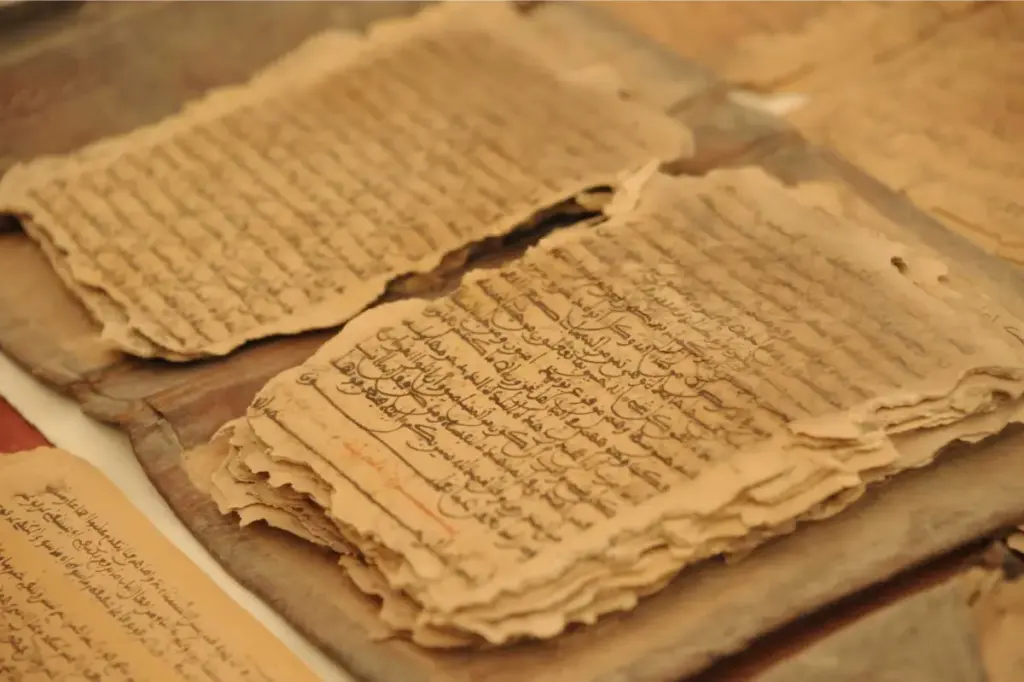
The question of the origins and linguistic brilliance of the Holy Quran has fascinated scholars, historians, literary critics, and theologians for centuries. At the center of this enduring discourse is an established and widely recognized fact: the Prophet Muhammad, peace and blessings be upon him, was unlettered. He could neither read nor write in a formal sense, a reality that makes the emergence of the Quran all the more extraordinary within the historical context of seventh-century Arabia.
From the very first day of its revelation, the Quran issued a profound and enduring challenge to all of mankind. It directed this challenge not only to the eloquent poets and literary geniuses of ancient Arabia but also to skeptics, non-Muslim scholars, and scientists across generations down to the Last Day. The challenge is simple yet impossible to meet: to produce a single chapter or a work comparable to its literary and spiritual depth.
Throughout history, literary historians have noted that pre-Islamic Arabia was a society that prided itself immensely on the mastery of the Arabic language. Poetry was the highest form of art and cultural currency, with grand competitions held annually where the finest compositions were celebrated and hung upon the walls of the sacred Kaaba. Yet, when the Quran was revealed, even the most accomplished masters of Arabic poetry and rhetoric were left spellbound, acknowledging that its style, rhythm, and profound impact belonged to an entirely different category of expression altogether.
There is no other book quite like it in human history. Scholars and linguists frequently highlight that the Quran is regarded by its followers and verified by linguistic analysis as being absolutely perfect in the Arabic language. It maintains an astonishing level of precision, containing no mistakes in grammar, semantic nuances, or historical context. Beyond its linguistic perfection, observers have long noted the predictive nature of the text. Multiple prophecies and predictions detailed within the Quran have visibly come true over the course of time, reinforcing the faith of believers and astonishing objective historians. Furthermore, its overarching moral, ethical, and spiritual teachings are clearly designed for all people, transcending specific geographic locations, cultural boundaries, and historical eras to remain relevant across all times.
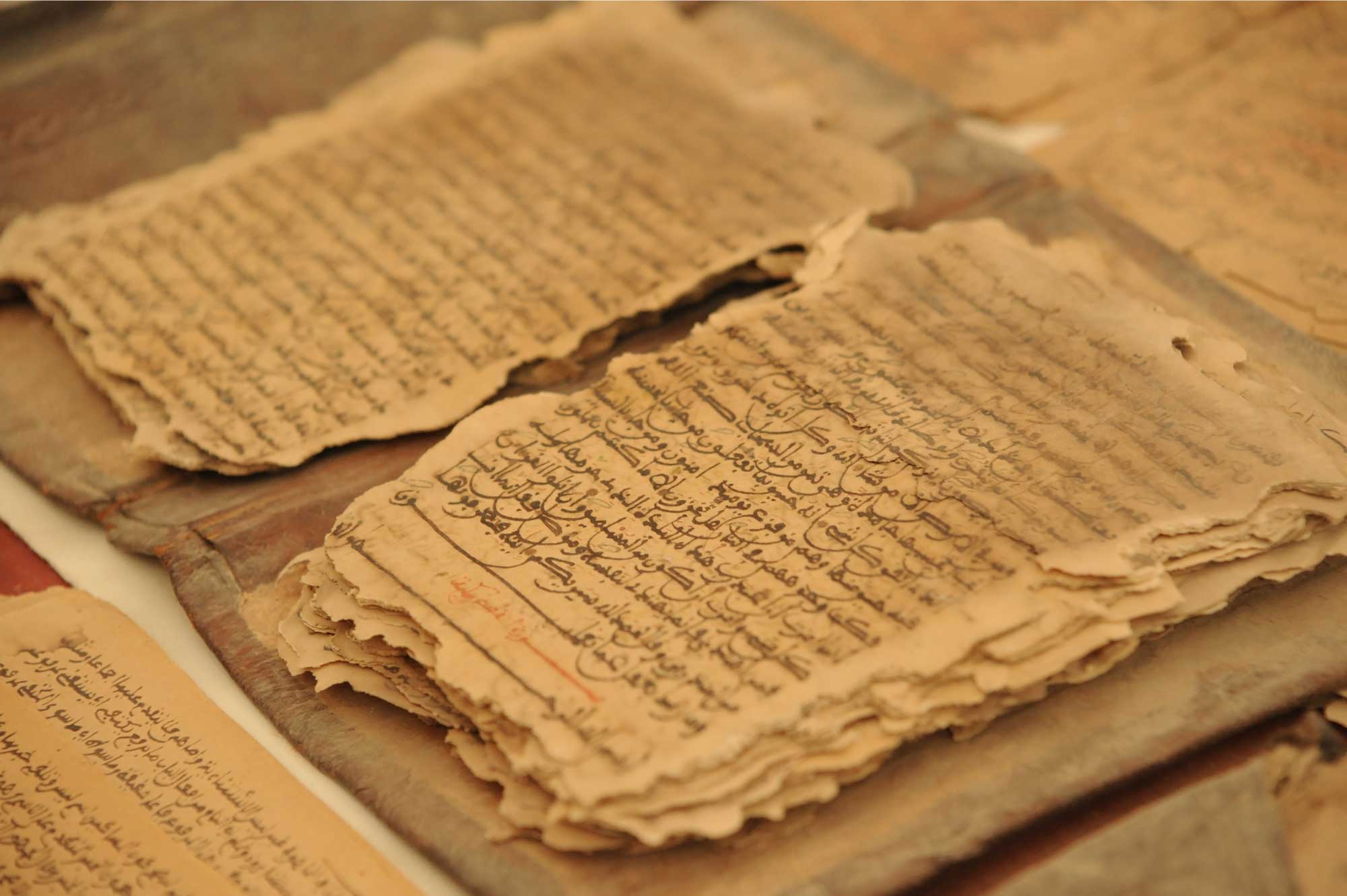
In a recent comprehensive video discussion, Islamic scholar Sheikh Sohaib Saeed brings to light specific verses from the Quran, using them as compelling evidence to demonstrate that the scripture stands as an absolutely formidable, extraordinary, and unconquerable stronghold established by the hand of heaven upon the earth. Sheikh Saeed’s analysis delves into the structural and spiritual integrity of the text, offering viewers a deeper appreciation of how the Quran defies conventional human authorship.
The discussion forms part of a broader, ongoing series dedicated to exploring the multifaceted dimensions of the Quran, its historical revelation, and its enduring relationship with the Prophet Muhammad. For those seeking to deepen their understanding of these foundational concepts, the series offers several complementary segments that break down complex theological ideas into accessible discussions.
Earlier installments in the series have explored these themes from various angles. The first episode, titled "The Eternal Challenge: What is the Quran?", provides a foundational overview of the nature of the scripture, examining what Muslims believe the text to be and why it occupies such a central role in Islamic faith and civilization. Following that, the second episode, "Eternal Challenge: Prophet and Book of Allah," investigates the intricate dynamic between the final messenger and the divine text entrusted to him, highlighting how their intertwined histories shaped the early Muslim community.
Another notable installment in the series addresses a profound philosophical and theological point regarding the creation of the text: "The Prophet Didn’t Make Quran… Rather, Quran Made Him." This segment explores the concept that the psychological, spiritual, and leadership development of the Prophet Muhammad was guided, shaped, and elevated by the continuous descent of the revelation, reversing the conventional secular assumption that an author creates a book by arguing instead that the sacred text molded the character and legacy of the messenger.
As discussions surrounding the linguistic and historical uniqueness of the Quran continue to engage contemporary audiences, scholars like Sheikh Sohaib Saeed continue to provide valuable insights into why this seventh-century text retains its power to challenge, inspire, and captivate minds across the globe today. Through careful examination of the verses and their historical backdrop, the discourse invites both believers and inquirers to reflect on the enduring mystery and majesty of a book that has shaped human history for over fourteen centuries.