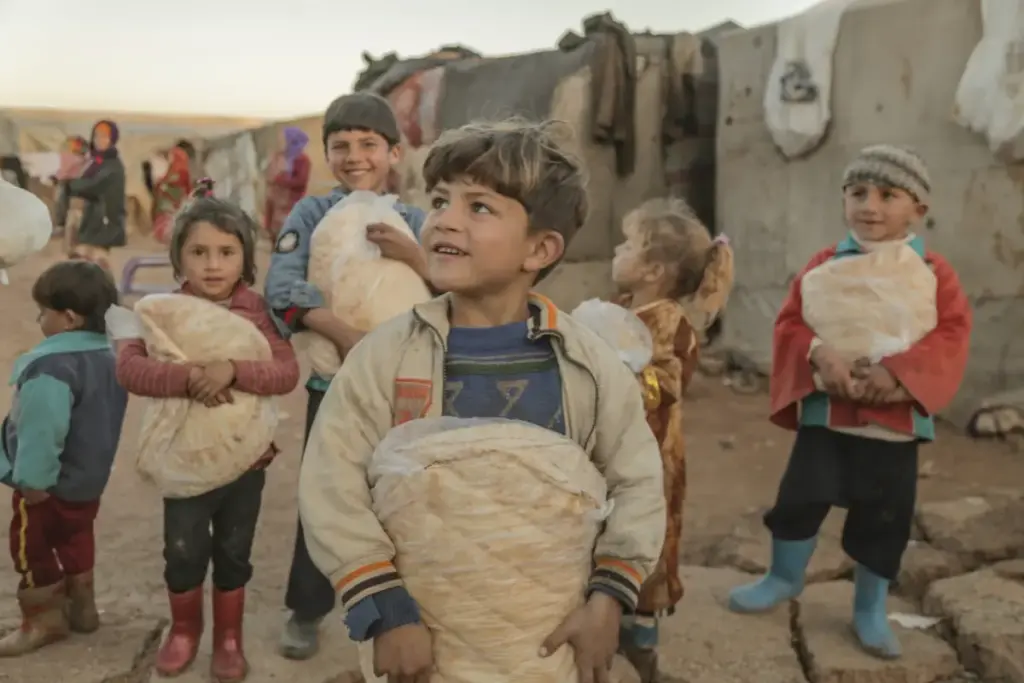
Aid agencies are sounding the alarm over a rapidly escalating humanitarian crisis in Yemen, where a sharp surge in violence has forced more than 125,000 civilians to flee their homes in a matter of days. Humanitarian organization Islamic Relief has warned that the mass displacement, combined with a total lack of basic infrastructure, is creating conditions ripe for a catastrophic outbreak of deadly water-borne diseases such as cholera.
The renewed escalation in fighting has sent shockwaves through vulnerable communities, driving tens of thousands of families from their residences into perilous conditions. Displaced families have sought refuge wherever they can find shelter, crowding into schools, makeshift camps, or sleeping directly on the streets in desperate conditions. The hardest-hit areas currently include the Taiz, Lahj, and Aden governorates, where local resources and existing infrastructure have been completely overwhelmed by the influx of newly displaced people.
The human cost of the sudden displacement is already visible in the makeshift shelters where families are attempting to survive. Khanzad Shah, Islamic Relief’s water, sanitation and hygiene coordinator in Yemen, painted a grim picture of the realities on the ground for those who have managed to escape the immediate violence.
"The number of people fleeing is increasing every day and they face appalling conditions," Shah said. "They don’t have water or food to survive, or cash to buy what they need. In one of the school shelters that we visited, children were crying from hunger. People are sleeping on the floor of overcrowded classrooms. They are drinking contaminated dirty water, and they don’t have decent sanitation facilities."
The absence of safe drinking water and functional sanitation systems has transformed these temporary settlements into potential breeding grounds for infectious diseases. Public health experts have long understood the direct correlation between displacement, compromised water supplies, and the rapid spread of water-borne pathogens.
Islamic Relief has explicitly warned that these conditions are ripe for an outbreak of deadly water-borne diseases, chief among them being cholera. The memory of past health emergencies in the country remains fresh among humanitarian workers and local populations alike. A previous devastating cholera outbreak in Yemen in 2017 claimed around 3,000 lives, overwhelming a medical infrastructure that was already buckling under the strain of ongoing conflict.
The risk of a similar or even worse health catastrophe is heightened by the severe degradation of Yemen’s medical and public health infrastructure. Years of continuous conflict, coupled with drastic funding cuts, have left the country’s health system severely fractured and incapable of mounting an effective response to widespread epidemics. Essential services have been systematically starved of financial resources over the last few years, leaving medical facilities struggling to procure basic medicines, fuel for generators, and clean water.
The situation is particularly acute in the Taiz governorate. According to local assessments, around 59 percent of health facilities in Taiz alone are not even functioning. Without fully operational clinics and hospitals, health workers lack the capacity to treat patients, isolate outbreaks, or distribute life-saving rehydration therapies. Humanitarian organizations have emphasized that without an immediate influx of emergency aid and medical supplies, vulnerable people will inevitably lose their lives to preventable and treatable conditions.
In response to the rapidly unfolding crisis, Islamic Relief is issuing an urgent appeal to all parties involved in the conflict. The organization is calling for an immediate de-escalation of violence, robust protection for civilians caught in the crossfire, and the guarantee of safe, unhindered humanitarian access to reach populations in desperate need of assistance. At the same time, the agency is urging the international community to step up its humanitarian funding and enhance diplomatic efforts aimed at achieving a sustainable, long-term peace for the country.
Islamic Relief brings decades of operational experience to the current crisis, having worked continuously in Yemen since 1998. The organization runs a wide range of vital development and humanitarian projects across the country, focused on improving access to clean water and sanitation, strengthening sustainable livelihoods, supporting orphaned children, and delivering rapid emergency relief. Operating through a network of close partnerships with local organizations across various regions, Islamic Relief continues to navigate complex security challenges to deliver aid where it is needed most.