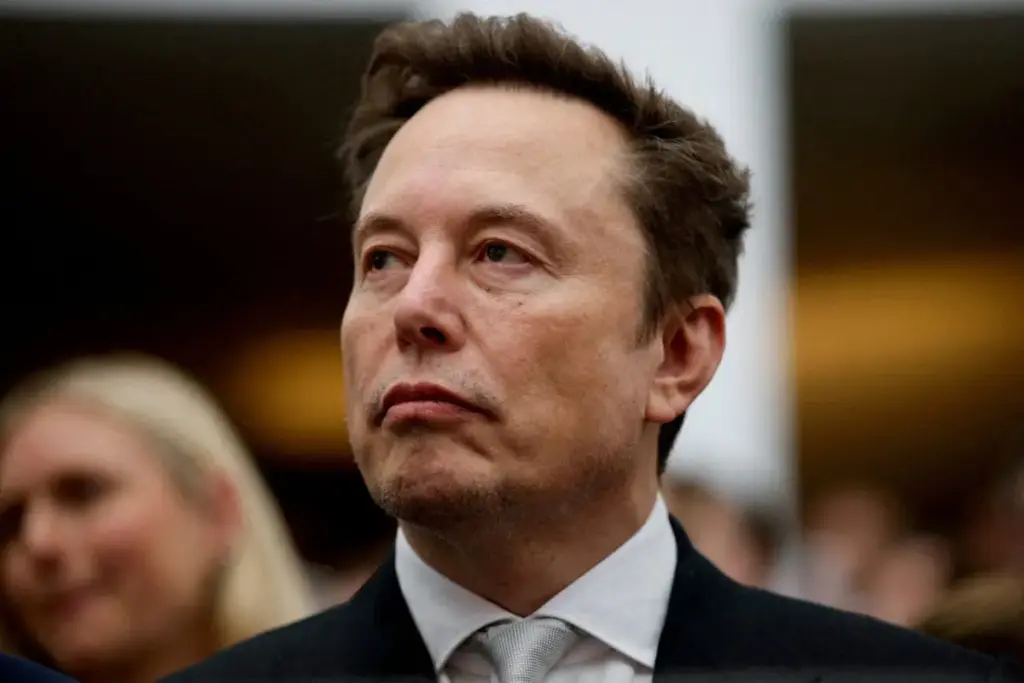
Elon Musk’s immense personal fortune has shrunk by more than $60 billion in the wake of significant Republican setbacks during the United States midterm elections, according to a report published by the Financial Times on Wednesday. The staggering financial blow comes despite the world-renowned billionaire spending an estimated $446 million of his own capital to help the Republican Party maintain its grip on Congress.
Musk’s heavy political spending, a substantial portion of which was targeted specifically at pivotal races in the state of Texas, ultimately failed to deliver the expected political outcomes. Instead, the Republican Party suffered major electoral setbacks across several key contests, including disappointing results right in the billionaire entrepreneur’s adopted home state of Texas.
According to the Financial Times report, Musk emerged as one of the single biggest financial losers from Election Night. Beyond the direct expenditure of his political contributions, sharp declines in the market value of his primary business holdings further compounded and deepened his overall losses as Wall Street reacted to the shifting political landscape.
In the wake of the election results, market pressures weighed heavily on Musk’s corporate empire. Tesla shares fell 5.7 percent, while privately held SpaceX reportedly dropped 7.6 percent in early trading, adding immediate downward pressure to the entrepreneur’s net worth and dampening investor sentiment across his portfolio.
Estimates regarding the exact scale of Musk’s political spending vary, though the financial impact remains undeniable. The Washington Post estimated that Musk poured a staggering $446 million into various Republican campaigns during the midterms, while other industry and political finance tracking estimates placed his contributions at somewhat lower levels. Regardless of the precise tally, the financial investment represented one of the most aggressive and high-profile corporate-backed political interventions in recent electoral history.
A significant portion of this high-stakes spending was channeled directly into competitive Senate races in Texas, where Musk-backed Republican candidates faced unexpected and significant setbacks against their Democratic opponents. The losses in Texas were particularly jarring given Musk’s recent corporate relocations to the state and his attempts to cultivate a powerful political and economic footprint there.
Beyond the immediate financial toll on his net worth and the political disappointment in Texas, the election results could also complicate Musk’s reported long-term strategic ambitions, specifically regarding a potential corporate maneuver to combine electric vehicle manufacturer Tesla and aerospace pioneer SpaceX.
Analysts and financial observers note that a Democratic-controlled Congress could dramatically increase regulatory scrutiny surrounding a potential merger or consolidation between the two high-profile companies. Such heightened oversight could create legislative hurdles before President Donald Trump leaves office in January 2029. While lawmakers on Capitol Hill would not necessarily possess the direct statutory power to unilaterally block such a corporate deal, increased congressional inquiries, committee hearings, and regulatory pressure from federal agencies could introduce substantial delays, legal challenges, and uncertainty for Musk’s corporate vision.