Anyone who sells halal-certified food to the Gulf, ships vital pharmaceuticals through the complex logistics corridors of Asia, or structures complex sukuk transactions for a living knows the distinct and exhausting feeling of planning around a constantly moving target. Over the past year, however, that target has moved more dramatically than most industry veterans can recall. Trade policies shifted abruptly beneath exporters’ feet as a series of legal battles and administrative decisions upended long-standing customs frameworks. Meanwhile, an escalating military conflict in the Gulf turned routine maritime shipping routes into daily questions of security and insurance viability. Then, on November 3, American voters headed to the polls and delivered a decisive verdict that gave Democrats control of both chambers of Congress, injecting a fresh layer of political uncertainty into an already volatile global trade environment.
Most of the mainstream media coverage surrounding the election results has justifiably focused on the immediate political calculus in Washington, analyzing how the shift in legislative power will paralyze or empower executive initiatives. But for the vast network of international merchants, logistics coordinators, halal certification bodies, and Islamic financial institutions that keep global supply chains moving, the consequences reach far beyond the beltway. These developments directly impact the bottom line of businesses operating across borders, forcing corporate leaders to rethink their operational strategies, contract structures, and risk management models as they look ahead to the coming year.
What Happened on Election Night
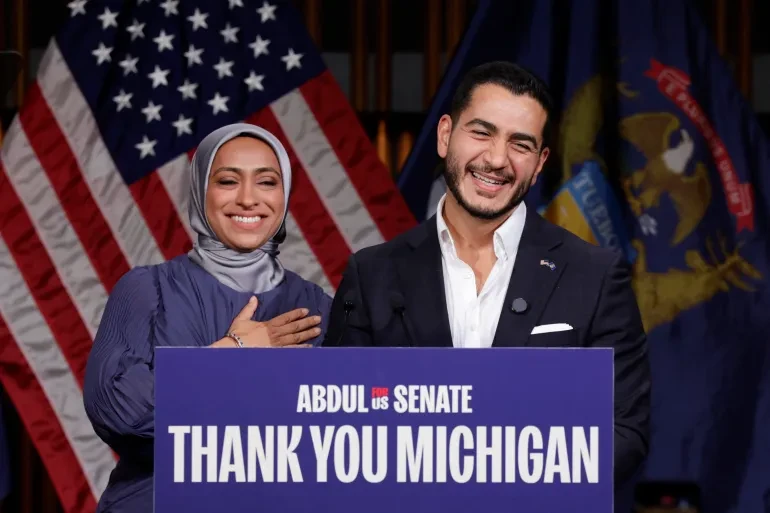
The path to the legislative shift became clear late into the evening as major news organizations updated their projections. The Associated Press called the Senate for the Democrats first, followed shortly thereafter by the House of Representatives, cementing a complete flip in congressional oversight. Live coverage from various national publications walked through the sequence as it unfolded across the country, with financial and political analysts describing the outcome as a significant legislative rout that notably flipped seven Republican-held Senate seats, upending the political balance of power in Washington.
According to the constitutional calendar, the newly elected Congress is scheduled to be sworn in on January 3, 2027. This timeline leaves a crucial window of about two months in which the outgoing Republican majority still technically runs the legislative agenda and retains control over committee priorities. For a trade-dependent business, that two-month gap matters immensely. Anything the administration wants to push through, lock in, or finalize before the arrival of the new Congress could land quickly, creating a brief period of intense regulatory activity that companies must monitor closely to avoid being caught off guard by last-minute executive or legislative maneuvers.
Tariffs, Again
For exporters of consumer goods, food products, and industrial materials, the ongoing tariff story has been a long and exhausting run of legal setbacks, policy pivots, and sudden replacements. The situation has been characterized by profound judicial friction, highlighted by the Supreme Court’s decision to strike down the emergency tariffs that previously sat at the center of the administration’s aggressive trade policy. Seeking to circumvent these judicial blocks, trade officials introduced alternative measures, but the legal challenges persisted. In May, the Court of International Trade ruled that the replacement Section 122 tariffs were similarly invalid under existing trade law. Despite these judicial rebuffs, a newer set of duties now covers more than eighty countries worldwide, and the legal challenges winding their way through the federal court system are still very much active.
The shift in congressional power adds a new dynamic to this ongoing trade saga. A newly empowered Democratic Congress can actively push for legislative votes to formally end emergency oversight and utilize high-profile congressional hearings to press reluctant trade officials for definitive answers regarding their economic strategy. However, political realities remain stubborn. A legislative body cannot easily override a presidential veto without securing a formidable two-thirds majority in both chambers, meaning that the broader rules governing international commerce will likely keep shifting and generating legal uncertainty for a considerable time to come.
Exporters operating in this environment face a very practical and immediate lesson: they must stop pricing 2027 contracts as if today’s fluctuating tariff rates will hold steady over the life of the agreement. Prudent business management now demands building substantial financial room into contracts to accommodate future rate changes, potential government refund claims, and unexpected court rulings that have the proven capacity to reverse course overnight. Failing to account for these variables leaves companies vulnerable to sudden margin compression and unexpected financial liabilities.
The Gulf Problem
While trade policy and tariff disputes create headaches for exporters on the bureaucratic front, many businesses within the halal sector view the ongoing conflict involving Iran as an even more immediate and alarming worry. The Gulf region remains a primary and indispensable destination for high volumes of food, pharmaceutical, and cosmetic shipments originating from various global manufacturing hubs. Unfortunately, the ongoing war has cast a heavy shadow over the maritime and air routes that carry these vital goods, raising insurance premiums, delaying port clearances, and threatening the physical safety of commercial crews.
The origins of this particular conflict trace back to February 28, 2026, when coordinated United States and Israeli military strikes commenced against targets in the region. Although international diplomatic efforts managed to secure a temporary ceasefire in April, the fragile diplomatic architecture quickly collapsed, and heavy fighting resumed in May, persisting through the subsequent months. As the autumn political season heated up, media outlets such as Al Jazeera reported that the administration had previously signaled an intention to avoid military action against Iran prior to the midterm elections. That assurance, however, was fundamentally an election-season pledge, and with the voting now concluded, the strategic and military calculus on the ground has evolved.
For companies whose supply chains rely heavily on traditional Gulf shipping lanes, industry experts recommend building multiple cost scenarios for the upcoming year and meticulously reviewing existing commercial contracts for force majeure and delivery clauses immediately, rather than waiting until a critical shipment is physically stuck in a contested zone or facing insurmountable logistical bottlenecks. Proactive contract management and robust contingency planning are no longer optional luxuries for firms operating in this theater; they are essential prerequisites for corporate survival.
Where Buyers Might Look Next
Whenever a traditional trade route becomes prohibitively expensive, logistically complex, or politically risky, commercial buyers naturally begin looking for alternative pathways to maintain their supply chains. That behavioral shift is already occurring in whispered boardrooms and strategic planning sessions across the international trade sector, and it is actively creating new openings for forward-looking nations and agile exporters. Countries with established industrial and agricultural sectors, such as Malaysia, Indonesia, the United Arab Emirates, Saudi Arabia, and Turkey, are increasingly emerging as prime candidates for new trade agreements and diversified certification partnerships. Exporters who possess internationally recognized halal certification will find themselves in a significantly stronger position to move quickly and capture market share if current orders need to be rapidly rerouted away from volatile zones.
This anticipated pivot toward alternative sourcing hubs means that certification bodies could soon experience a substantial surge in demand as nervous exporters seek to diversify their operational footprints. At the same time, Islamic financial institutions, investment funds, and sukuk issuers will need to watch closely how unfolding regional risks impact the timing, structuring, and execution of major financial deals over the next few quarters. The intersection of geopolitical risk and Islamic finance requires a delicate balancing act to ensure that capital remains secure while still supporting vital commercial expansion.
What to Keep an Eye On
Ultimately, the midterm elections did not magically settle or simplify the broader picture for international halal trade. Instead, what the election results accomplished was a fundamental transformation of the political setting and legislative environment in which exporters, certifiers, and financiers must make critical strategic decisions for the next two years. The commercial landscape remains fraught with legislative battles, judicial challenges, and regional conflicts that defy easy prediction. Consequently, the businesses that survive and thrive will be those that refuse to anchor their strategies to a single anticipated outcome. By maintaining operational flexibility, carefully monitoring regulatory signals, and preparing for multiple potential futures, these resilient enterprises will be the ones fully ready to adapt when the next inevitable move comes across the global board.