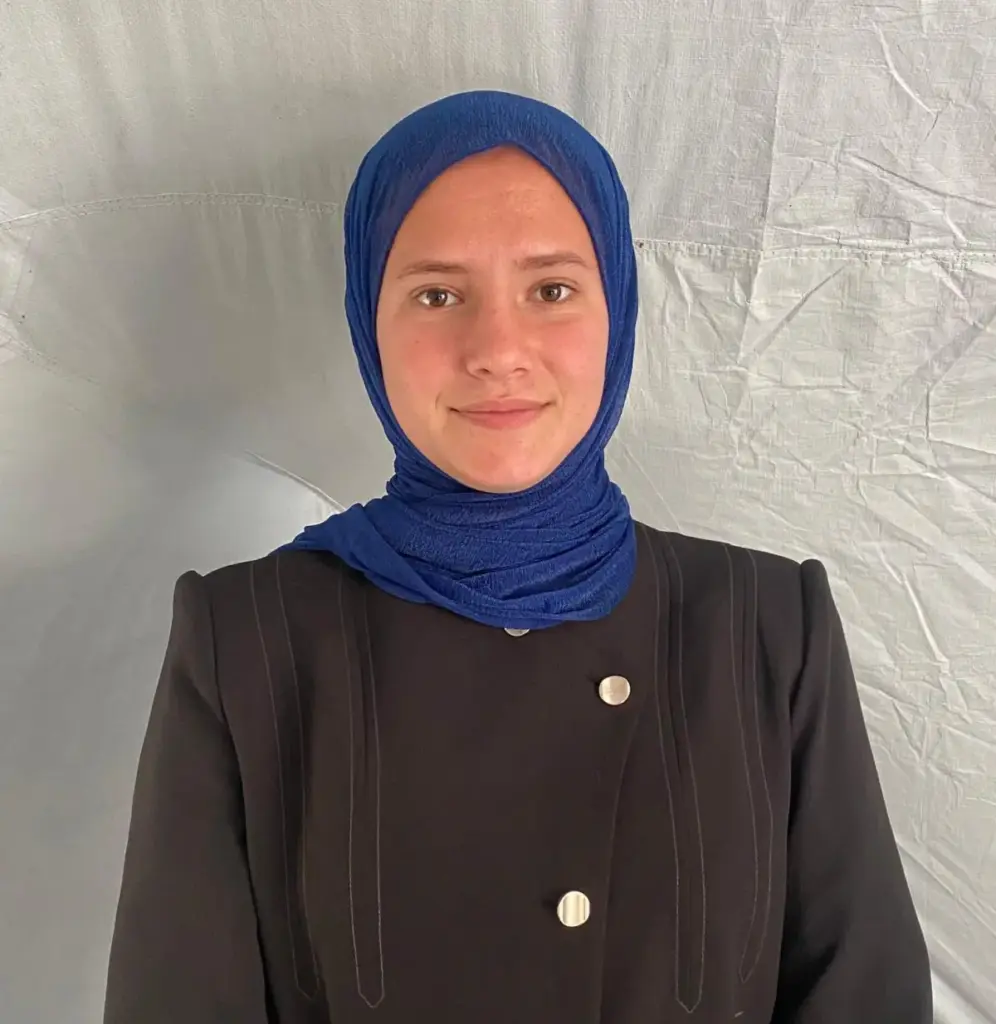
GAZA — At 18 years old, Malak is refusing to let the destruction of her home, the harsh realities of displacement, and severe physical trauma extinguish her childhood dream of becoming a doctor. Today, she shares a worn, fragile tent with her mother and her two brothers, Uday and Atef, in Gaza. Their former life, anchored by a sturdy concrete family home, has been upended by ongoing conflict and displacement. Life in the makeshift camp is characterized by daily hardship, scarcity, and profound uncertainty. Yet, despite the compounding crises surrounding her, Malak remains fiercely determined to continue her education and forge a path toward a meaningful future where she can heal others.
The journey to higher education under current conditions in Gaza is an extraordinary test of endurance. Despite widespread displacement and the massive disruption of local infrastructure, Malak demonstrated remarkable academic resilience by completing her high school education with an impressive score of 96 percent. Following this achievement, she took a vital step toward the career she has envisioned for years by enrolling to study medicine. For Malak, this academic pursuit is not merely about personal ambition; it represents a lifeline of hope and a way to reclaim a sense of normalcy in an environment profoundly altered by crisis.
However, the path to finishing her medical degree is fraught with immense obstacles. The conflict has severely damaged or entirely destroyed numerous universities and educational facilities across Gaza, forcing academic instruction to migrate online. Accessing remote lectures and completing coursework requires reliable internet connectivity and digital tools that are exceptionally difficult to secure in the current environment. Among her most pressing academic needs is a personal laptop to attend virtual classes and manage her heavy workload. Additionally, university tuition fees present a formidable financial barrier. Without external assistance and additional support, her family simply cannot afford the costs required to keep her enrolled in classes.
Studying While Living with Pain
Malak’s academic struggles are compounded by a severe physical injury that she continues to carry every day. She was shot during the crisis, and the bullet remains lodged in her abdomen. Navigating the daily routines of life and study while managing this serious injury requires immense physical and emotional strength. She regularly attends medical check-ups, monitoring her condition while she waits for complex surgery. At present, however, this procedure is entirely unavailable to her under Gaza’s collapsing healthcare system, which has been stretched past its absolute limits by surging needs and critical shortages of medical supplies.
Despite living with chronic pain and the weight of physical uncertainty, Malak continues to balance her rigorous studies with vital domestic responsibilities. Within the cramped confines of their tent, she shares the burden of daily survival, supporting her mother with essential household tasks including cooking, cleaning, and washing. Her mother works tirelessly in a small local bakery to help support the household, but the modest income she earns falls far short of covering the family’s basic needs amid skyrocketing prices and widespread shortages.
Life After Losing Their Home
Before the crisis dismantled their daily routines, Malak and her family lived in a secure, concrete house that shielded them from the elements. Today, that home exists only in memory. They now reside in a worn, weathered tent that offers minimal protection against environmental hazards, leaving them acutely vulnerable to the bitter cold of winter, intense summer heat, and heavy seasonal rains.
The family’s daily existence is a struggle for the most fundamental necessities. They are in urgent need of basic living supplies, including a sturdier, more secure tent, waterproof coverings to ward off rain, mattresses, blankets, cooking equipment, household gas, a reliable water tank, food provisions, hygiene supplies, and a dependable source of light. Malak herself requires basic personal items such as clothes and shoes, alongside the critical financial assistance needed to clear her university tuition fees and secure a laptop for her medical studies.
How Islamic Relief Supports Orphaned Children
In the face of these staggering challenges, Malak and her family receive essential support from Islamic Relief, an organization that has stepped in as rising costs and persistent displacement make meeting everyday needs increasingly difficult for vulnerable households.
Islamic Relief has maintained a continuous presence supporting orphaned children in Gaza since 1999 through its established Orphan Sponsorship Programme. The initiative is designed to assist children who have lost one or both parents by providing families with a regular monthly financial payment. This financial support offers families a crucial degree of flexibility, allowing them to allocate funds toward the needs they consider most urgent and immediate, whether that includes purchasing food, securing healthcare, funding education, or covering other essential household expenses.
Furthermore, Islamic Relief strives to integrate sponsored families into broader seasonal assistance initiatives whenever possible. These efforts include Ramadan and qurbani food distributions, the provision of Eid gifts, and targeted winter assistance packages designed to help families endure harsh weather conditions.
The scope of this humanitarian program has expanded significantly in response to the current crisis. Today, Islamic Relief is actively supporting nearly 25,200 orphaned children across Gaza. Despite this expansive reach, the scale of the need remains overwhelming, with more than 5,100 additional orphaned children currently listed on the organization’s waiting list, each hoping for the vital lifeline that sponsorship provides.
A Chance to Keep Moving Forward
For Malak, continuing her university education transcends the conventional goal of earning a professional degree. She carries a deeply personal aspiration: she hopes that by becoming a doctor, she will one day possess the knowledge and capability to care for people who have endured the exact same pain, trauma, and hardship she has lived through herself.
Even after losing her family home, sustaining a serious physical injury, navigating daily dangers, and confronting immense institutional and financial barriers, Malak has resolutely refused to abandon her dream. With continued humanitarian support and solidarity, young people like Malak are given the chance to keep learning, preserve their sense of hope, and work steadily toward a more secure and stable future.
Islamic Relief’s Orphan Sponsorship Programme continues to provide regular, life-changing support to orphaned children and their families throughout Gaza, ensuring that resilience is met with tangible resources.