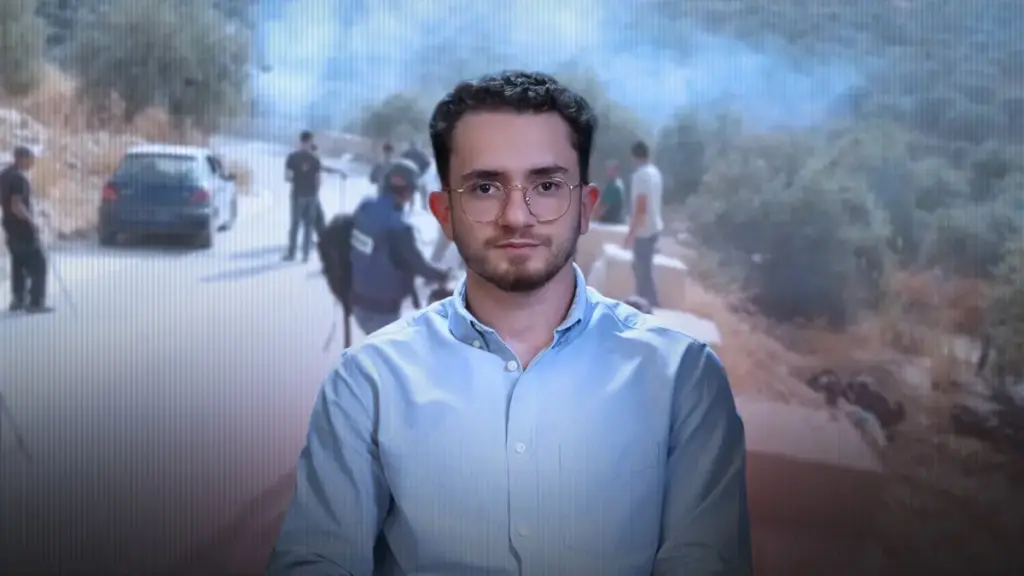
The annual olive harvest, a vital economic lifeline and a deeply entrenched cultural tradition for Palestinian communities throughout the West Bank, has once again been overshadowed by escalating violence and intimidation. According to field reports and local accounts, farmers attempting to access their ancestral groves have faced coordinated disruptions, physical assaults, and the systematic theft of their produce by Israeli settlers. These incidents underscore the persistent vulnerabilities faced by rural Palestinian populations during the critical autumn harvest months, a period that historically sees a sharp rise in friction across the territory.
Al Jazeera correspondent Mohammad Saleh, reporting from the region, provided the latest updates on the unfolding situation, detailing how the convergence of the harvest season disruptions and the anniversary of the Gaza ceasefire has heightened tensions across both Palestinian territories. The juxtaposition of the two events highlights the multifaceted challenges confronting Palestinians in both the West Bank and Gaza, where long-term security, economic viability, and basic livelihoods remain severely constrained.
The timing of the current wave of settler violence is particularly impactful for the agricultural sector in the West Bank. Olives and olive oil represent a cornerstone of the Palestinian economy, sustaining tens of thousands of families and constituting a significant portion of agricultural exports. For generations, the harvest has served not only as an economic necessity but also as a communal gathering that reinforces ties to the land. However, in recent years, farmers working in areas near Israeli settlements or designated security zones have increasingly required prior coordination and military escorts to access their lands, a process that local residents and human rights advocates report is often insufficient to prevent harassment or attacks.
In many rural villages, the loss of a single harvest season carries devastating financial consequences that ripple through local communities for years. Settler attacks during this critical window often involve the destruction of ancient olive trees, which can take decades to mature, as well as the forcible removal of harvested crops before farmers can bring them to market. Observers note that these actions are part of a broader pattern of intimidation aimed at restricting Palestinian movement and expanding control over agricultural land in the West Bank.
Meanwhile, the broader regional context remains deeply tense as Gaza marks one year since the implementation of the so-called ceasefire. The anniversary serves as a solemn reminder of the immense human toll and physical destruction suffered by the enclave during prolonged hostilities. While the ceasefire halted the most intense phases of large-scale military operations, the population in Gaza continues to grapple with the monumental challenges of recovery, reconstruction, and the daily struggle to secure basic necessities amidst a heavily restricted environment.
The simultaneous pressures faced by Palestinians in the West Bank—typified by the disruption of the olive harvest—and the ongoing hardships in Gaza illustrate the interconnected nature of the regional crisis. Humanitarian organizations and local monitors continue to document incidents of violence and economic disruption, calling for increased international attention and accountability to protect vulnerable populations as they attempt to carry out their daily lives under occupation and conflict.
As the harvest season continues, Palestinian farmers and community leaders remain concerned about the potential for further escalations, emphasizing the urgent need for effective protection and the preservation of their agricultural heritage. Reporting from the ground, Al Jazeera’s Mohammad Saleh continues to monitor these developments, providing ongoing coverage of the challenges facing communities across the West Bank and Gaza as they navigate another difficult chapter in the region’s long-standing conflict.