In the evolving landscape of global sovereign debt management, emerging economies have increasingly looked toward alternative financing instruments to diversify their investor bases and fund crucial infrastructure and developmental needs. Among these instruments, the Islamic bond, or sukuk, has emerged as a cornerstone of ethical, Sharia-compliant finance. However, entering this specialized market is rarely a straightforward endeavor, even for seasoned sovereign issuers.
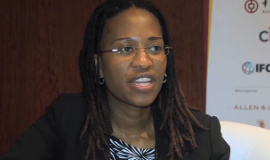
Reflecting on the formidable challenges faced by the national government, Tshepiso Moahloli candidly characterized South Africa’s historic debut sukuk issuance as a "very tough" undertaking during an interview with Global Financial Conferences on August 7, 2020. The insight sheds light on the intricate hurdles, institutional learning curves, and structural adjustments required when a conventional economy attempts to tap into the rapidly expanding pool of Islamic liquidity.
To fully understand the weight of Moahloli’s assessment, it is essential to examine the broader framework of Islamic finance, a sector that operates on principles vastly different from conventional banking and capital markets. Unlike conventional bonds, which function as interest-bearing debt instruments, sukuk represent fractional ownership in underlying tangible assets, services, or projects. This fundamental distinction ensures that investors share in both the risks and rewards associated with the underlying assets, aligning directly with core Islamic financial principles that prohibit riba (usury or interest) and excessive uncertainty or speculation (gharer).

For a conventional sovereign issuer like South Africa, transitioning to these asset-backed or asset-based structures demands meticulous legal, regulatory, and operational alignment. The issuance process requires identifying eligible sovereign assets that comply strictly with Sharia law, establishing robust Special Purpose Vehicles (SPVs), and securing appropriate legal frameworks to govern asset transfers and ownership rights. These complexities often introduce significant friction during a debut transaction, as local legal systems and administrative machinery must adapt to the unique requirements of Islamic investors.
Beyond the legal and structural mechanics, building a successful presence in the Islamic finance ecosystem involves understanding the broader architecture of the global market. Over the past few decades, the industry has experienced exponential growth, transforming from a niche alternative into a multi-trillion-dollar global market with major financial hubs spanning the Middle East, Southeast Asia, and Western financial capitals. Establishing a foothold within this ecosystem requires sovereign issuers to engage deeply with international Sharia boards, institutional investors, and regulatory bodies that oversee ethical and religious compliance.
The historical trajectory of Islamic finance is built upon foundational concepts that prioritize transparency, risk-sharing, and social responsibility. These core industry principles resonate deeply not only with Muslim investors seeking halal wealth growth but also with a broader segment of the global investment community that champions sustainable, socially responsible, and ethical investing. Consequently, sovereign issuers view sukuk not merely as a mechanism for liability management, but as a strategic bridge to a distinct segment of global capital that values asset backing and moral accountability.
Nevertheless, the path from theoretical understanding to practical execution is fraught with operational challenges. Creating a global Islamic financial centre or preparing a national treasury for international sukuk issuance involves navigating a complex web of standards set by organizations such as the Accounting and Auditing Organization for Islamic Financial Institutions (AAOIFI) and the Islamic Financial Services Board (IFSB). These standards govern everything from capital adequacy and risk management to governance and Sharia compliance auditing, creating a rigorous environment for any treasury department venturing into the space for the first time.
Furthermore, the mechanics of structuring a sukuk—whether utilizing Ijara (leasing), Murabaha (cost-plus financing), Wakala (agency), or hybrid structures—demand a high degree of technical expertise and inter-departmental coordination within government institutions. Each contract structure carries specific legal implications regarding asset ownership, cash flow generation, and recourse in the event of default or restructuring. For South Africa’s financial authorities, mastering these contract structures during their debut issuance meant bridging the gap between conventional debt issuance strategies and the rigid compliance demands of Islamic jurisprudence.
The timing and market reception of such issuances also play a critical role in determining their overall difficulty. Sovereign debt managers must carefully monitor global liquidity conditions, investor sentiment, and yield curves to ensure competitive pricing. In the case of debut issuers, market education is often required to familiarize traditional institutional investors with the nuances of sukuk and to attract dedicated Islamic funds that may have strict mandates regarding asset quality and compliance verification.

As the global financial architecture continues to adapt to shifting economic realities, the experiences shared by figures like Tshepiso Moahloli serve as valuable case studies for other emerging markets contemplating entry into the Islamic capital markets. The journey from conceptualizing a Sharia-compliant sovereign offering to successfully settling the transaction on international exchanges highlights the dedication required to diversify funding sources and engage with specialized investor communities.
Ultimately, while the operational road may be rugged and demanding, the successful navigation of these initial hurdles lays the groundwork for future issuances, deeper market integration, and a more resilient sovereign debt portfolio. As South Africa’s experience demonstrates, breaking new ground in ethical finance requires overcoming significant structural complexities, but the long-term benefits of tapping into diversified, values-driven global liquidity continue to attract sovereign issuers worldwide.