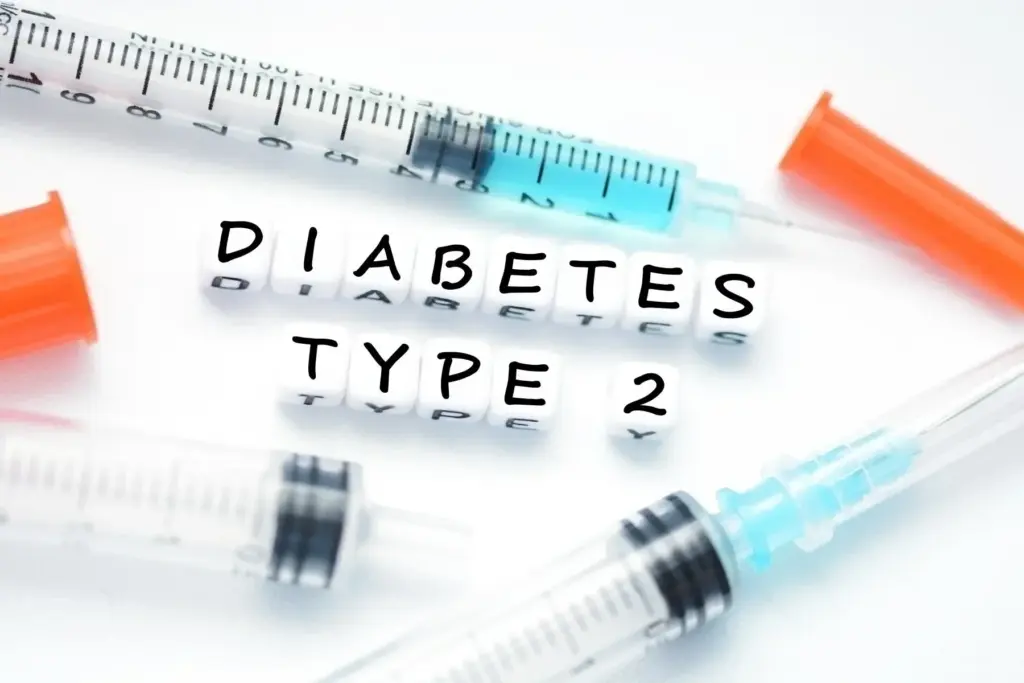
Public health officials in England have issued a renewed call to action regarding the rising prevalence of type 2 diabetes, emphasizing that prevention has never been more critical. Current health trends indicate that an alarming one in ten people across the country could
be living with the condition by the year 2030. This projection underscores an intensifying public health challenge, particularly as the condition continues to affect hundreds of thousands of individuals and place a heavy burden on healthcare services.
Recent data highlights the sheer scale of the issue, revealing that approximately 90 percent of all people diagnosed with diabetes in England have type 2 diabetes. While the condition can be managed following diagnosis, health experts stress that stopping it before it starts is the most effective way to prevent debilitating long-term health complications. The urgency behind these warnings has prompted health authorities to amplify awareness campaigns and direct vulnerable populations toward established preventative interventions.
Dr Chirag Bakhai, a general practitioner and Primary Care Advisor to the NHS Diabetes Prevention Programme, has pointed out distinct demographic vulnerabilities that require heightened vigilance. According to Dr Bakhai, individuals originating from the Indian subcontinent face a significantly elevated risk of developing type 2 diabetes compared to the general population. Furthermore, clinical observations show that the condition frequently develops at younger ages and at notably lower levels of excess body weight than what is typically documented among people of white ethnicities.
The clinical consequences of untreated or poorly managed type 2 diabetes can be severe and life-altering. Dr Bakhai explains that the condition is strongly linked to major medical complications, including irreversible vision loss, progressive nerve damage, and chronic ulcers that can ultimately necessitate amputations. Additionally, having type 2 diabetes substantially increases an individual’s susceptibility to life-threatening cardiovascular events, such as heart attacks and strokes.
To mitigate these profound health risks, medical professionals emphasize the necessity of primary prevention. For individuals identified as being at high risk of developing the condition, adopting a structured, healthy lifestyle characterized by regular physical activity and the maintenance of a stable, healthy body weight can make all the difference in halting disease progression.
While non-modifiable risk factors—such as an individual’s family history, pre-existing health conditions, age, and ethnic background—play a significant role in determining susceptibility, modifiable lifestyle choices remain the most crucial markers in preventing type 2 diabetes. Daily decisions regarding nutritional intake and physical exertion are powerful tools in altering a person’s health trajectory.
Recognizing the urgent need to support at-risk populations, the National Health Service provides widespread access to the free Healthier You NHS Diabetes Prevention Programme. Designed specifically for individuals who show early indicators of metabolic distress, this comprehensive behavioral and lifestyle change initiative lasts for nine months. To date, the program has welcomed over 1.3 million referrals, offering participants tailored guidance to help lower their blood sugar levels through sustainable dietary adjustments and increased physical activity, thereby avoiding the onset of type 2 diabetes altogether.
The tangible impact of the initiative is reflected in the experiences of those who have completed the curriculum. Harry Matharu was referred to the program after his general practitioner diagnosed him with non-diabetic hyperglycaemia, commonly known as pre-diabetes. Reflecting on his journey, Matharu notes that the initiative fundamentally transformed his daily routine, leading him to incorporate swimming or running into his schedule on most days. Instead of battling persistent lethargy and fatigue, he now describes himself as full of energy. By becoming deeply mindful of his diet, he successfully transitioned from a size 42 waist down to a size 28, expressing profound satisfaction with his improved health and well-being.
Similar success stories resonate within specific communities that bear a disproportionate burden of the disease. Kishor Chauhan, a resident of Greenford, was prompted to attend the Healthier You NHS Diabetes Prevention Programme after routine blood tests revealed elevated blood sugar levels. Acknowledging his background, Chauhan admits that while he was aware of the heightened statistical risk faced by people of Indian origin, he initially believed the condition would bypass him.
Although Chauhan was already physically active and maintained a diet rich in fruits and vegetables, he noted that he frequently indulged in traditional sweets. Engaging with the structured lifestyle intervention enabled him to successfully lower his blood sugar levels while shedding seven kilograms in weight. Consequently, he strongly encourages anyone identified as being at risk to take advantage of the program.
The Healthier You NHS Diabetes Prevention Programme is structured to empower participants to regain control over their health outcomes through manageable steps. With the backing of dedicated, professionally trained coaches and clinical experts, participants receive guidance on making gradual, sustainable modifications to their nutritional habits, exercise routines, and weight management strategies. To accommodate diverse lifestyles and schedules, the program offers flexible participation options, allowing individuals to choose between local face-to-face group sessions held in community venues or a digital service that delivers coaching via dedicated mobile applications and websites.
Recent empirical evaluations of the initiative demonstrate its measurable clinical efficacy. The latest data reveals a 20 percent reduction in the incidence of type 2 diabetes among individuals who have received referrals to the Healthier You NHS Diabetes Prevention Programme. Furthermore, comprehensive historical analyses indicate that participants who successfully complete the entire program experience a 37 percent lower risk of progressing to a full type 2 diabetes diagnosis.
Public health officials continue to stress the importance of early detection and personal awareness. Individuals who are curious about their personal health standing can easily evaluate their vulnerability by searching online for the phrase "diabetes know your risk" and completing a short series of simple questions on the Diabetes UK website. The assessment tool evaluates key personal metrics, including age, ethnic background, and whether the user has any close relatives diagnosed with diabetes.
Residents whose online screening indicates a moderate or high risk of developing type 2 diabetes are advised to schedule an appointment with their local general practice. A simple blood test performed by a healthcare professional can accurately assess blood sugar levels and screen for diabetic or pre-diabetic conditions. Those identified as having non-diabetic hyperglycaemia may subsequently be deemed eligible for a direct referral to the Healthier You NHS Diabetes Prevention Programme, providing a clear pathway toward long-term health and disease prevention.