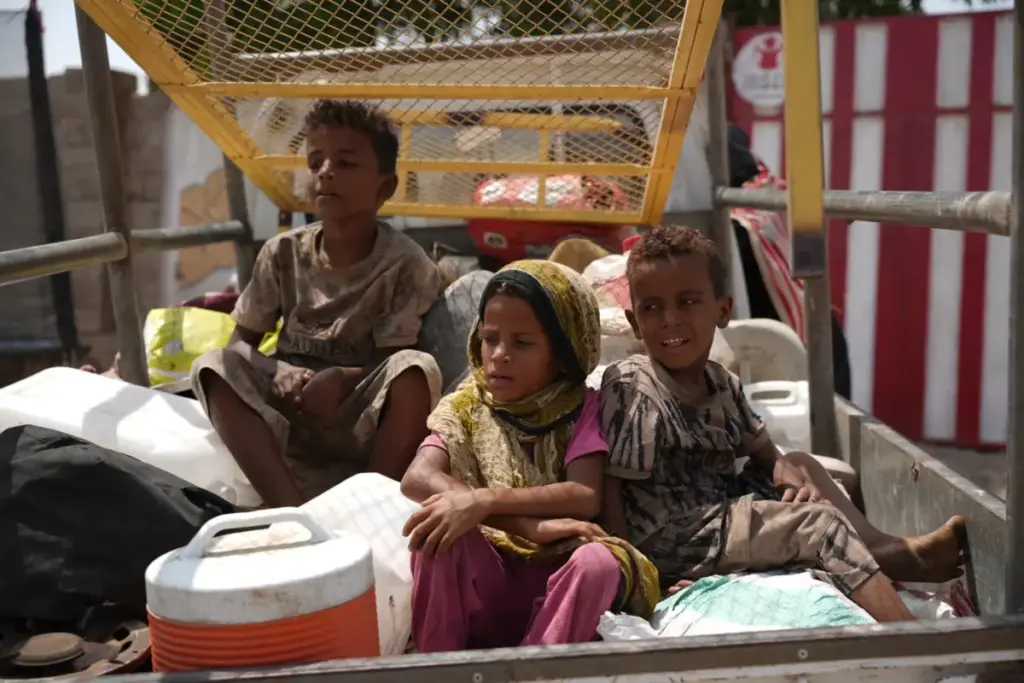
Civilians trapped inside the heavily besieged Yemeni city of Taiz are facing a catastrophic struggle to survive, running desperately short of basic food supplies, life-saving medicines, and clean drinking water, according to urgent warnings issued by Islamic Relief. With every passing day that the crippling siege continues, the lives of thousands of vulnerable residents and displaced people are being placed in immediate jeopardy, prompting international humanitarian agencies to issue fervent appeals for unrestricted and immediate humanitarian access to the urban center.
An estimated one million to 1.5 million people currently live inside Taiz, which stands as Yemen’s third-largest city. This total population includes tens of thousands of deeply vulnerable displaced families who have been forced to flee their original homes in other regions of the country due to relentless conflict. For the past month, vital supply routes leading in and out of the city have been largely blocked, triggering a severe escalation in hunger and the rapid spread of preventable diseases as ongoing shelling and missile strikes continue to impact civilian areas.
The economic fallout of the blockade has proven equally devastating for the local population. Due to extreme scarcity caused by the restricted movement of goods, the price of basic food items has surged by more than 50 percent. This dramatic inflation has left numerous families—many of whom were already coping with emergency levels of hunger—utterly unable to purchase daily sustenance. Simultaneously, the cost of trucked water supplies has tripled. As municipal water networks fail, sanitation systems collapse, and waste accumulates uncollected in the streets, contaminated water sources are fueling a rapid and dangerous outbreak of cholera across the municipality.
Displaced families sheltering within the confines of the city are suffering disproportionately, representing some of the most impoverished and at-risk demographics in the region. Many of these households have been displaced multiple times, forced to move repeatedly as they fled advancing frontlines and escalating violence. Across southern Yemen as a whole, the steady intensification of armed conflict over the past few months has forced more than 300,000 people to abandon their homes. The vast majority of these newly displaced individuals arrive in their temporary sanctuaries lacking adequate cash reserves, food supplies, proper shelter, safe drinking water, and basic sanitation facilities.
Saaid Omar, the Islamic Relief Country Director for Yemen, painted a grim picture of the realities on the ground, emphasizing the rapidly deteriorating humanitarian conditions inside the besieged urban area.
"Taiz has become the epicentre of the crisis and every day the siege goes on risks more civilian deaths," Saaid Omar said. "Conditions in the city are getting worse every day. Food, medicine and clean water are running out, and cholera is spreading as waste piles up in the streets and people have no choice but to drink unsafe water. The price of basic supplies is rapidly rising out of reach for most people. We urge the international community to increase pressure on warring parties and get aid and essential supplies into Taiz."
In response to the mounting crisis, Islamic Relief is issuing a direct and urgent appeal to all parties involved in the conflict. The organization is demanding that combatants uphold their obligations under international law by actively protecting civilians and facilitating safe, unimpeded humanitarian access to areas in desperate need. Furthermore, the agency is calling upon international governments and global donors to significantly step up their financial contributions and practical assistance, ensuring that displaced families and local public services receive the robust support required to avert total collapse.
With a long-standing operational history in the country, Islamic Relief has been working to deliver humanitarian aid and development assistance in Yemen for over 28 years. Amid the ongoing emergency, the organization has mobilized teams to provide critical aid packages to vulnerable households across the Aden, Lahj, and Taiz governorates. Notably, Taiz governorate currently hosts 88 percent of all displaced families seeking refuge in the southern region. Alongside these distribution efforts, Islamic Relief is actively collaborating with other humanitarian agencies and local public health facilities to combat the outbreak and curb the widespread transmission of cholera.