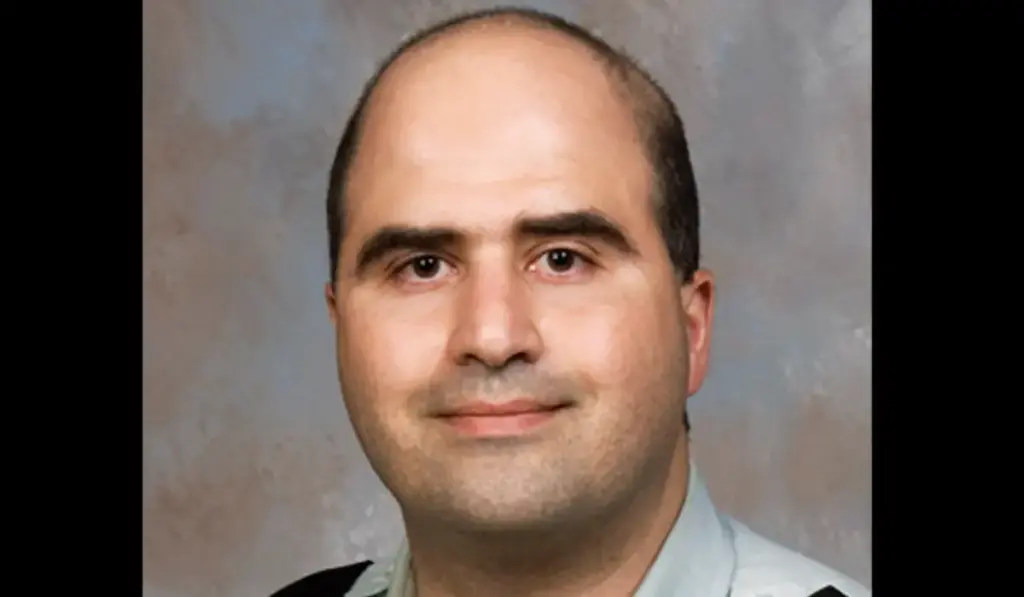
WASHINGTON — In what would mark an unprecedented departure from modern American military execution protocols, the Pentagon announced that the impending firing squad execution of convicted mass shooter and former Army psychiatrist Nidal Malik Hasan will be open to the public and broadcast via livestream.
Hasan was convicted by a military court-martial for the horrific 2009 mass shooting at Fort Hood, Texas, a tragedy that left 13 people dead and more than 30 others wounded. The announcement regarding the public and digital nature of the capital punishment has immediately ignited discussions surrounding military justice, transparency, and the intersection of modern technology with state-sanctioned capital punishment. However, despite the Pentagon’s detailed disclosures regarding the administration of the sentence, the White House has not yet officially confirmed the Pentagon’s comments or indicated whether executive branch review or oversight will impact the planned broadcast.
The planned execution stems from one of the darkest chapters in modern United States military history. On November 5, 2009, Hasan, then a U.S. Army major and psychiatrist, opened fire on unarmed service members at a deployment readiness center on the sprawling Texas military installation. The victims included fellow soldiers preparing to deploy overseas and civilian personnel working on the base. The massacre sent shockwaves through the American armed forces, prompting exhaustive investigations into base security, military intelligence sharing, and the psychological screening of personnel.
In August 2013, a military jury sitting at Fort Hood convicted Hasan of 13 specifications of premeditated murder and 32 specifications of attempted premeditated murder. Throughout the court-martial proceedings, Hasan chose to represent himself, admitting to the shootings and stating that he did so to defend Taliban insurgents fighting against American forces abroad. The jury deliberated for just hours before sentencing him to death by lethal injection. Since his conviction, Hasan has remained on military death row at the United States Disciplinary Barracks at Fort Leavenworth, Kansas, where executions of American service members are historically carried out under strict privacy and limited witness observation.
The Pentagon’s recent revelation that the execution will be carried out by a firing squad—and furthermore, that it will be accessible to the public both physically and via a live video stream—represents a radical break from decades of precedent. Military executions in the United States have traditionally been conducted behind closed doors, witnessed only by a carefully selected, highly restricted group of official observers, legal representatives, and designated family members of victims. The decision to livestream the event brings forward profound legal, ethical, and logistical questions that have not faced the American military justice system in generations.
While military law permits the use of a firing squad under specific circumstances—and Hasan himself reportedly requested execution by firing squad in the past due to religious interpretations—the inclusion of a public livestream transforms a traditional state execution into a globally accessible digital event. Legal analysts and First Amendment scholars are already examining the implications of broadcasting a federal or military execution to the general public, noting that federal protocols for civilian executions have historically barred recording equipment and media broadcast cameras from the death chamber entirely.
Despite the definitive statements emerging from defense officials regarding the livestream and the public nature of the execution, the administration has maintained a cautious stance. Representatives at the White House have not yet confirmed the Pentagon’s comments, leaving a notable gap between the military establishment’s operational declarations and the executive branch’s official posture. This lack of immediate synchronization between the Pentagon and the White House underscores the sensitive and unprecedented nature of the announcement, particularly given the high-profile and deeply emotional history of the Fort Hood massacre.
As the situation develops, survivors of the 2009 shooting, families of the victims, and legal watchdogs are closely monitoring further announcements from both the Department of Defense and the White House. The unprecedented combination of a military firing squad execution and a public livestream ensures that the final chapter of the Fort Hood legal proceedings will unfold under intense public scrutiny, raising vital questions about how the United States military administers capital punishment in the digital age.