By Nikhat Fatima
Nearly a decade after walking out of prison a free man, Abdul Wahid Shaikh is taking a definitive step toward holding the state accountable for a wrongful incarceration that spanned the prime of his youth. Shaikh, who was one of 13 men accused and later fully exonerated in connection with the devastating July 11, 2006, Mumbai suburban railway bombings, is now demanding Rs 9 crore in compensation from the Maharashtra state government.
The coordinated series of seven bomb blasts, which tore through Mumbai’s commuter trains over a span of just 11 minutes, claimed 188 lives and left hundreds of others injured, creating an atmosphere of profound national grief and public panic. In the intense aftermath, the Maharashtra Anti-Terrorism Squad (ATS) launched a sweeping investigation. Shaikh was arrested and accused by the state machinery of being a key conspirator in the terror plot.
After enduring nine grueling years behind bars as an undertrial, Shaikh was completely acquitted of all charges and proven innocent by a special court in 2015. However, the legal battle for his co-accused dragged on for years. It was only recently—nearly a decade after Shaikh’s initial acquittal—that the remaining 12 men who stood trial alongside him were also cleared of all charges, bringing a formal judicial end to a chapter that had hung over their lives for nearly two decades.
Shaikh, who has since redirected his life toward academia, writing, and advocacy for other wrongfully imprisoned individuals, explains that his decision to formally demand compensation was deliberate and calculated.
"I waited this long to demand compensation because I wanted all the others arrested with me in 2006 to also be proven innocent. Only then could I feel entitled to claim it," Shaikh says.
While the financial figure of Rs 9 crore is substantial, he insists that no amount of money can truly buy back the years stolen from his youth. The sum, he points out, cannot erase the systemic humiliation, the physical and psychological torture, the social stigma, and the deep-seated trauma that continues to affect his daily life.
"This compensation will not restore my life, but it will at least be an acknowledgment from the state that an innocent man was wrongfully incarcerated. And maybe, it will serve as a deterrent for the future," he explains, adding that if his formal claim for compensation is ignored, he and his legal supporters are fully prepared to take the matter further through the judicial system.
Dark Days in Prison and the Weight of False Confessions
Shaikh’s brush with the criminal justice system began long before the 2006 train bombings. Reflecting on his early life, he recalls that his first encounter with law enforcement occurred when he was just 21 years old. At the time, he was falsely accused of being associated with the Students Islamic Movement of India (SIMI), a banned student organization. Although that initial ordeal lasted for just two months before his release, it established a pattern that would later make him a vulnerable target.
When the horrific serial blasts ripped through Mumbai’s commuter trains on July 11, 2006, investigators quickly rounded up a large group of suspects. The police eventually named 30 individuals in connection with the conspiracy, alleging that several suspects were Pakistani nationals, while 13—including Shaikh—were Indian citizens. The Indian accused were subsequently lodged in Mumbai’s high-security Arthur Road Jail.
What followed, Shaikh recounts, was a systematic campaign of coercion designed to manufacture a narrative for the prosecution.
"They tortured me with third-degree methods, called me a terrorist, a Pakistani, and a member of Lashkar-e-Taiba. They did everything to force a confession to a crime I had never committed," he states.

The psychological toll reached a devastating nadir when a special court initially handed down harsh sentences, condemning five men to death and sentencing seven others, including Shaikh, to life imprisonment. The judgment felt like a death blow to the men maintaining their innocence. Shaikh describes how the hostility extended beyond the courtroom, noting that from the prison gates to their cells, they faced routine beatings and humiliation not only from jail authorities but occasionally from fellow inmates as well.
As time passed, the overt hostility within the prison environment eased somewhat, but the daily reality of incarceration offered no real comfort or solace.
"In jail, nothing gives solace. Most prisoners turn to God. I too began offering namaz regularly, pouring out my heart to Allah. That gave me strength to survive," he recalls. Beyond his faith, his primary lifelines were letters sent by his family and a single photograph of his six-month-old daughter, whom he had left behind as an infant and would only see grow up through brief, regulated visits and written correspondence.
The Guidance of Shahid Azmi and the Long Road to Acquittal
Throughout the darkest phases of his legal battle, Shaikh found a vital source of intellectual and emotional sustenance in human rights lawyer Shahid Azmi, who tirelessly represented several of the accused men. Azmi’s commitment to justice left a permanent mark on Shaikh’s worldview.
"He was not only our lawyer, but he was also our source of strength. He motivated and encouraged me to study further," Shaikh remembers.
Under Azmi’s mentorship and encouragement, Shaikh utilized his time in confinement to pursue higher education. He completed a Master of Arts degree in Urdu, subsequently pursued a Bachelor of Laws (LLB) degree, and completed a specialized course in journalism, turning his cell into a makeshift study room.
However, the fragile hope provided by their legal team suffered a catastrophic blow in 2010 when Shahid Azmi was assassinated in his Mumbai office.
"When Shahid Azmi was assassinated in 2010, we lost all hope. Everything turned dark," Shaikh says.
Following Azmi’s tragic death, support for the accused men was taken up by Jamiat Ulema-e-Hind, a prominent Muslim civil rights and advocacy organization. Their sustained legal intervention eventually culminated in the historic 2015 ruling that acquitted Shaikh of all charges, recognizing the lack of credible evidence against him.
Yet, freedom arrived bearing a heavy toll. By the time he walked out of prison, the collateral damage to his family was irreversible. His father had passed away from the profound shock of his arrest, his mother’s mental health had deteriorated severely under the weight of the ordeal, and his wife and extended family had spent years enduring the social stigma of being closely linked to an accused "terrorist." Furthermore, Shaikh himself continues to suffer from long-term health complications, including glaucoma, chronic physical pain, and enduring psychological trauma stemming from the alleged physical torture and electric shocks he endured during interrogation.
Rebuilding a Life Through Education, Writing, and Activism
Miraculously, elements of Shaikh’s life before his arrest remained receptive to his return.
"God has been kind to me. The school where I taught Urdu took me back despite the stigma. They trusted me," he says.
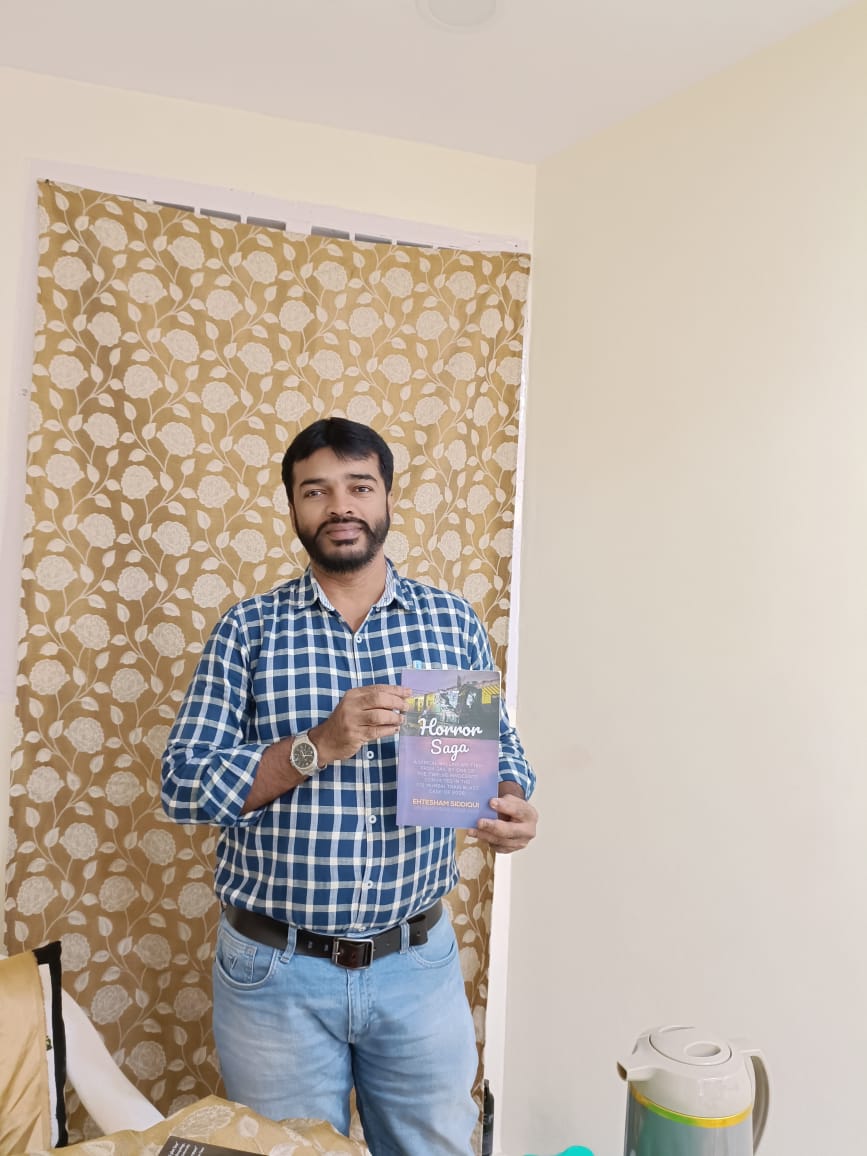
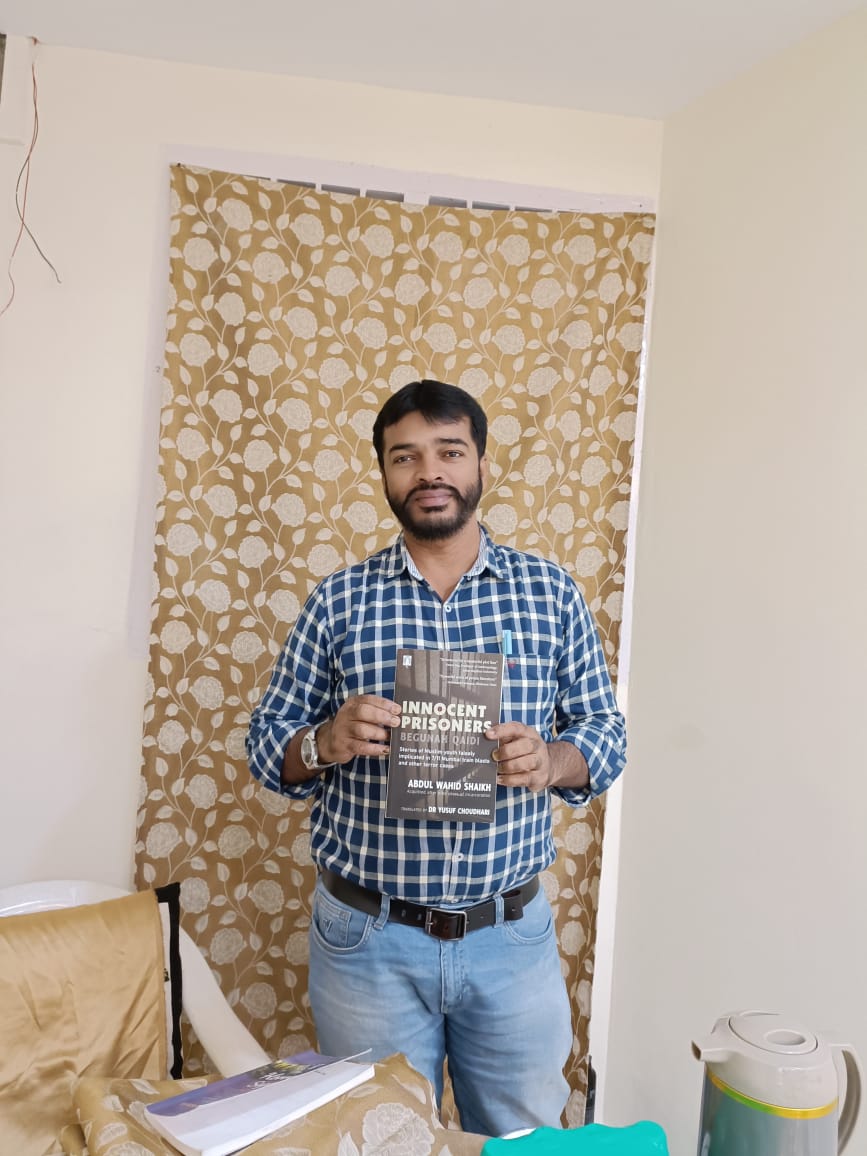
Resuming his career as an educator, Shaikh stepped back into the classroom, returning to his lifelong passion for teaching. Alongside his professional rehabilitation, he focused on documenting his experiences. During his final ten months behind bars, he wrote a comprehensive prison memoir titled Begunah Qaidi (Innocent Prisoner), which was published shortly after his acquittal. The manuscript has since been translated into both Hindi and English, serving as a critical firsthand account of the realities faced by undertrials.
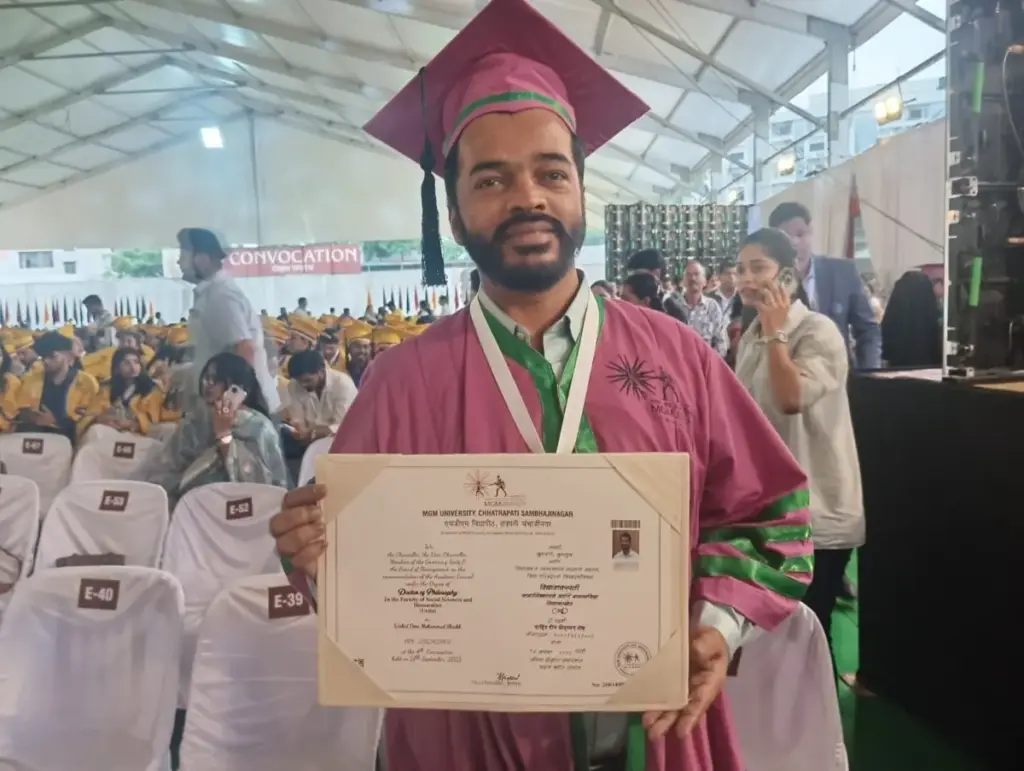
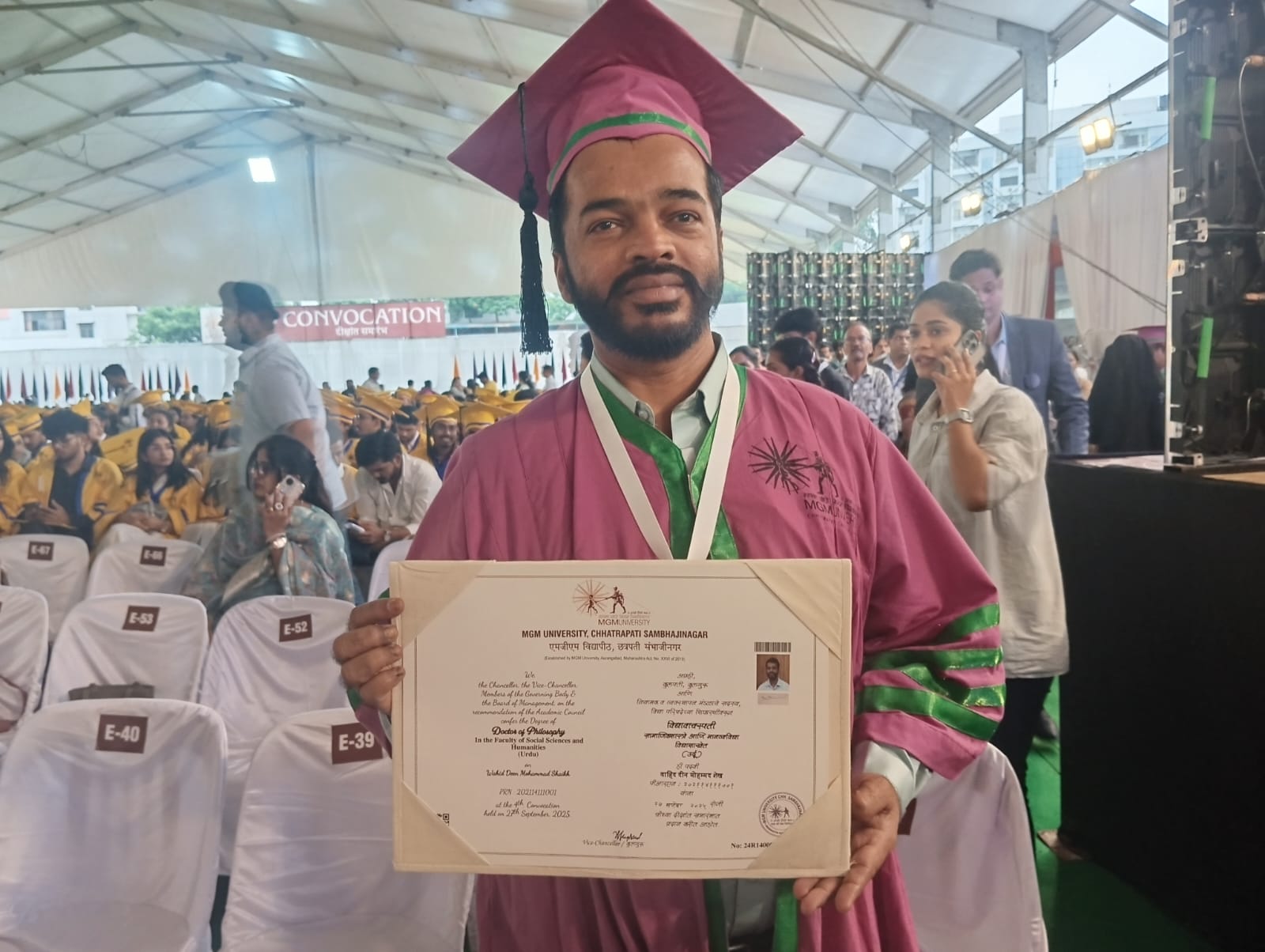
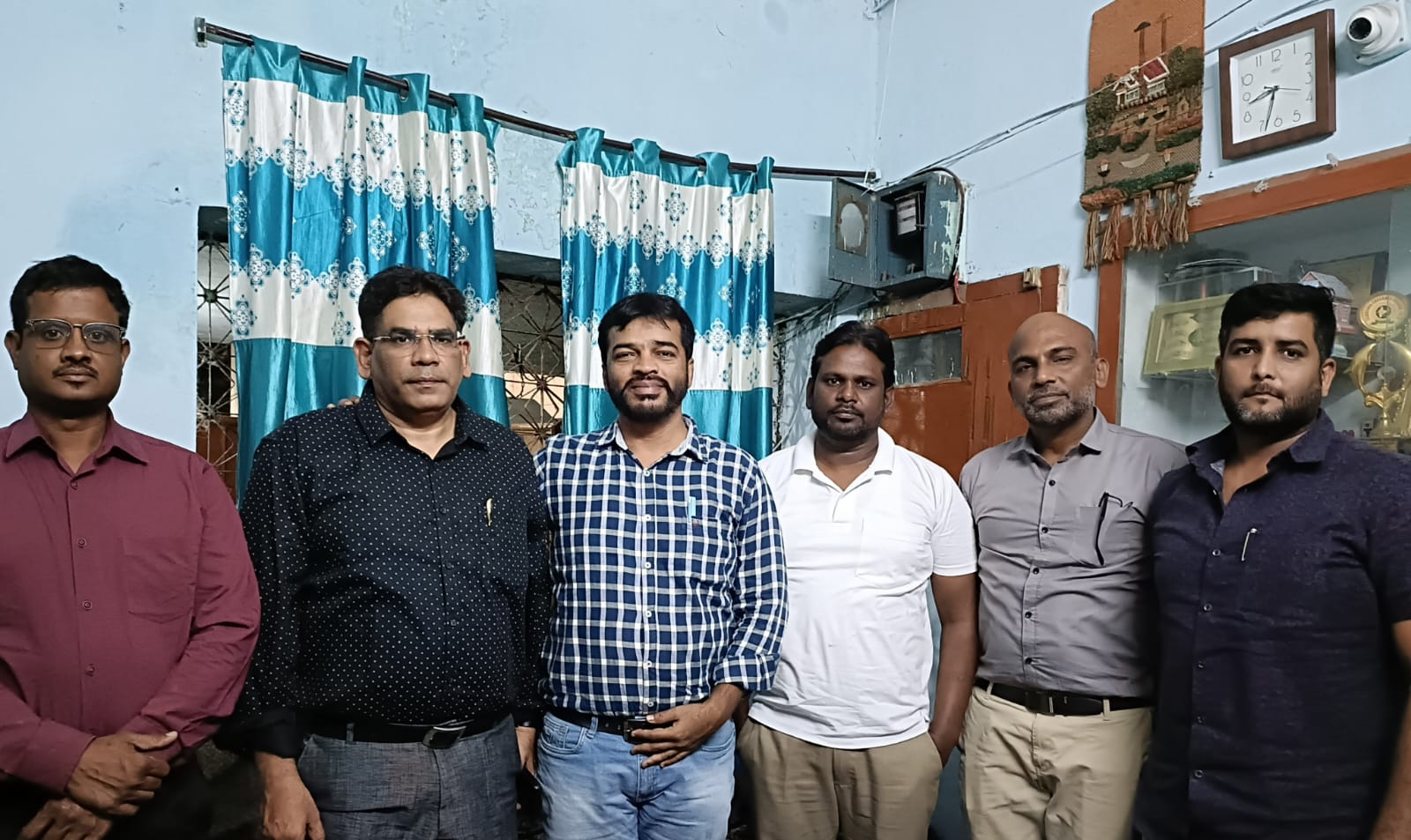
Building upon his academic pursuits in prison, Shaikh went on to complete a PhD focusing on the history of Indian prisons. Recognizing the systemic vulnerabilities that lead to wrongful imprisonments, he also established the Innocence Network, a collaborative collective comprising lawyers, civil rights activists, and retired judges dedicated to assisting individuals who have been falsely implicated in criminal cases.
"We submit memorandums, hold campaigns, and raise awareness, especially among Muslim youth, about what to do if they are falsely arrested. My book itself is a roadmap. It explains how the police force prisoners into signing false confessions," he asserts.
Today, Shaikh maintains an active public schedule, traveling across multiple states to speak at university campuses, public forums, book launches, and civil rights conferences. He utilizes these platforms not merely to recount his own suffering, but to amplify the stories of countless other undertrials languishing in India’s correctional facilities. Through his YouTube channel, Begunah Qaidi, he systematically documents instances of alleged administrative and systemic overreach where marginalized youth find themselves trapped by criminal charges.
His life story has also resonated beyond the realm of activism and literature. In 2022, filmmaker Sudhanshu Gamare adapted his harrowing journey into a Marathi feature film titled Haemolymph: Invisible Blood, bringing wider public attention to the institutional failures surrounding his case.
Shaikh’s literary output continues to expand. He is currently compiling a diverse collection of poetry, letters, stories, and philosophical reflections written during his years in confinement—a project inspired by the revolutionary Urdu poet Faiz Ahmed Faiz, who famously composed much of his timeless poetry from behind prison bars. His forthcoming literary projects include an autobiography tentatively titled Wahid Shaikh vs State; Love Letters from Jail, an intimate compilation of correspondence exchanged with his wife during his nine-year incarceration; and a collaborative investigative project with journalist Manisha Bhalla documenting the individual journeys of the other men who were prosecuted and eventually acquitted alongside him. Tragically, one of those co-accused did not survive to witness the formal declaration of his innocence.
Despite his extensive literary and advocacy commitments, Shaikh remains deeply accessible to his community.
"On an average, I get 20 to 30 calls a day for legal guidance. I have become like a mobile legal advisor," he says with a wry laugh.
Even so, the psychological shadows of his past remain ever-present. The trauma of his interrogation and imprisonment cannot be easily undone by time or academic achievement.
"Every knock at the door and every sight of a policeman on the street takes me back. I wake up sweating at night, remembering the torture," he admits.
Yet, despite the persistent fear and lingering trauma, Shaikh remains resolute in his pursuit of accountability. He expresses deep frustration that rather than acknowledging the judicial findings of innocence, state authorities frequently pursued appeals, thereby prolonging the legal limbo for those who had already suffered years of unwarranted imprisonment.
"Despite the fear, I have to move ahead. Forgetting nine years in prison is impossible. What pains me most is that even after the judgment declaring us innocent, the state appealed against it instead of admitting its mistake. This is how innocent youth are turned into ‘terrorists’ by the system," he alleges.
With his resolve unbroken, Shaikh stands firm on his pursuit of formal state accountability.
"If my claim for Rs 9 crores is not accepted, we will go to court," he states.