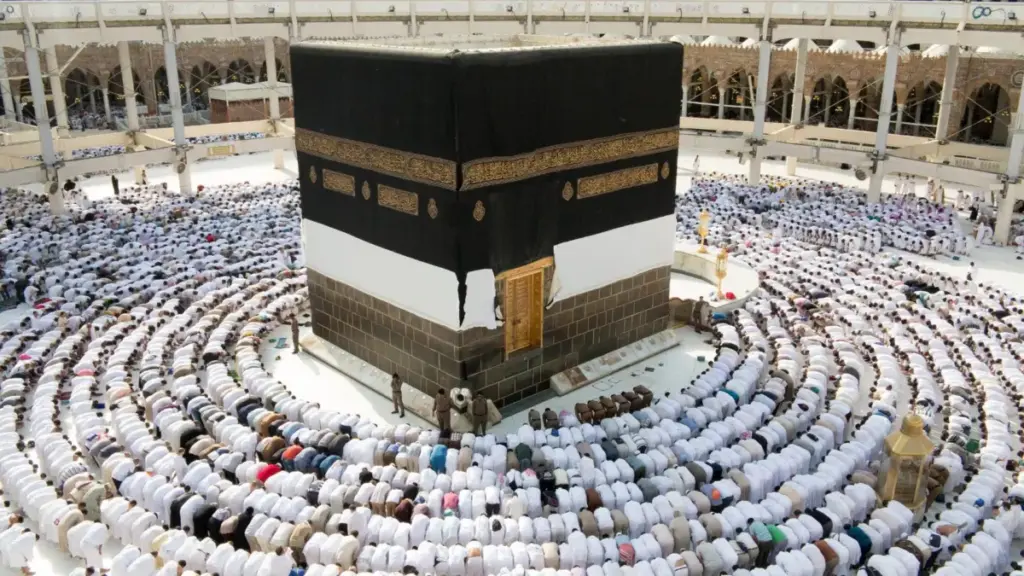
As the sacred season of Hajj draws near, millions of Muslims around the world are deep in preparation for their spiritual journey to Makkah, while others have already set out on the historic path. This annual pilgrimage represents a profound response to the divine invitation first announced by Prophet Ibrahim and later renewed by Prophet Muhammad, peace be upon them both. For believers, answering this call is the fulfillment of a lifelong spiritual dream, bringing together diverse peoples from every corner of the globe into a unified community of faith.
Yet, beyond the sheer scale of the gathering and the deep emotional resonance of the rituals, questions often arise regarding the theological and spiritual weight of Hajj. To truly understand why Muslims hold this journey so dearly, scholars and believers frequently turn to the recorded sayings and traditions of Prophet Muhammad. These traditions, or Hadiths, illuminate the status of Hajj within the framework of Islam, explaining its foundational importance, its accessibility, and its immense spiritual value among righteous deeds.
A Pillar of Islam
Among the many diverse rituals and acts of devotion that define the Islamic faith, Hajj occupies a central and irreplaceable position. It is not merely an optional spiritual retreat or a cultural tradition, but an indispensable pillar upon which the entire structure of the religion rests.
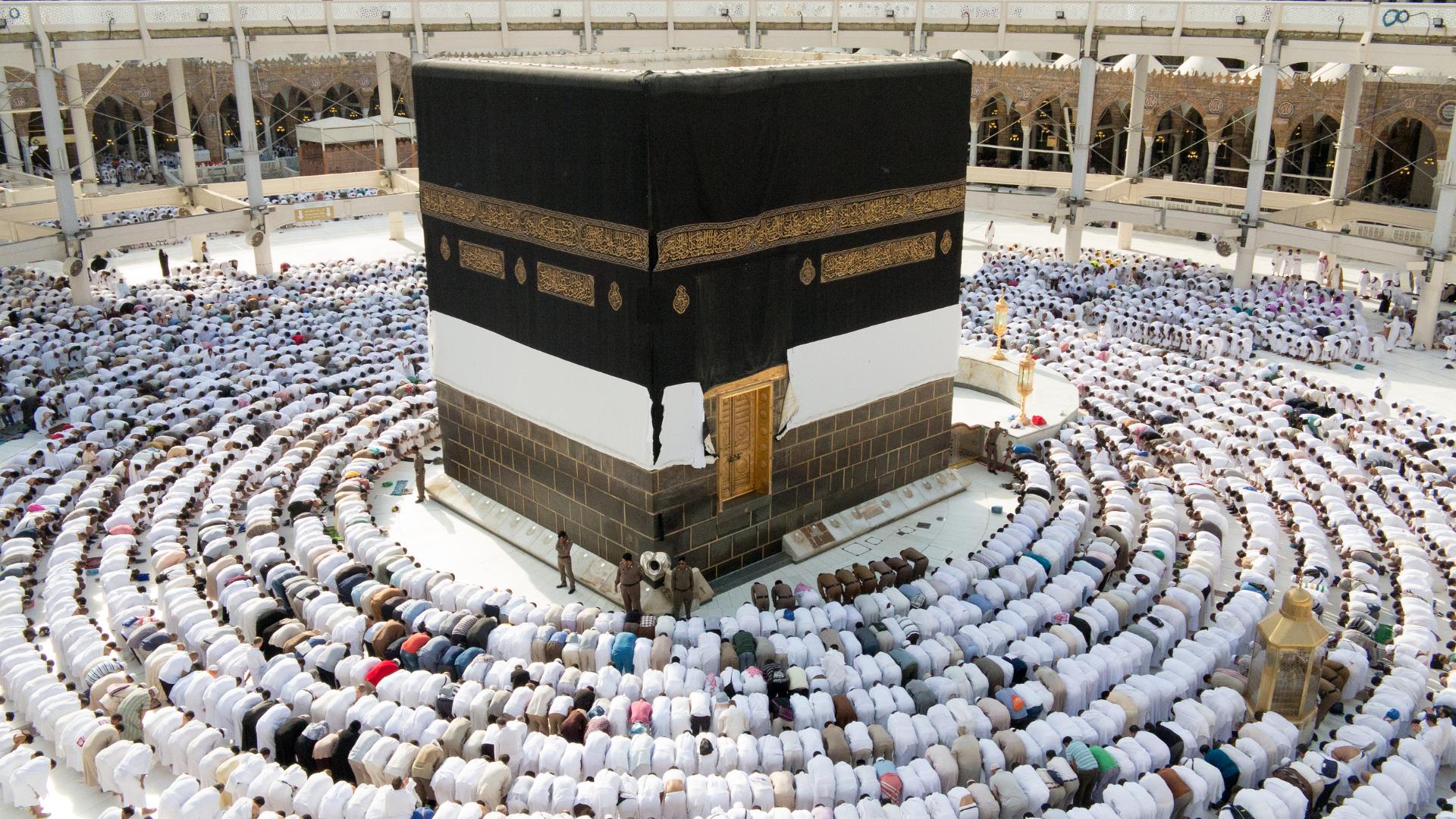
This foundational status is underscored in a widely referenced narration transmitted by Abdullah ibnUmar, who reported that the Prophet stated that Islam has been built upon five fundamental pillars. These include testifying that there is no god but Allah and that Muhammad is His Messenger, establishing regular prayers, paying the mandatory charity known as zakah, fasting during the month of Ramadan, and making the pilgrimage to the Sacred House. By linking the pilgrimage directly to the core tenets of the faith, this tradition highlights that fulfilling the journey when one has the means is essential to completing the practice of a Muslim’s religious life.
Once in a Lifetime
Despite the immense spiritual significance and mandatory nature of Hajj for those who are physically and financially able, Islamic jurisprudence and prophetic guidance emphasize ease and consideration for human capacity. One of the most striking aspects of the pilgrimage is that, unlike daily prayers or annual fasting, it is required only once in a person’s entire lifetime.
This principle of divine mercy and accommodation is illustrated in a historical exchange narrated by Abu Hurairah. One day, the Prophet addressed the Muslim community, urging them to fulfill the obligation of Hajj now that it had been prescribed for them. In response, a man stood up and asked whether this obligation applied every single year.

The Prophet remained silent upon hearing the question. When the man repeated his inquiry three times, the Prophet explained the wisdom behind his initial silence, noting that had he answered in the affirmative, an annual pilgrimage would have become a binding obligation, a burden that would clearly exceed the capacity of the community.
Following this, the Prophet offered a broader piece of guidance regarding unnecessary and excessive questioning on matters where specific legislation had not been provided. He reminded his followers that previous nations had faced ruin because of their persistent questioning and their tendency to disagree with their prophets. He advised the community to follow commands to the extent of their ability and to strictly avoid prohibitions when given. This guidance ensured that Hajj remained a profound yet accessible spiritual milestone, designed to elevate the believer without causing undue hardship.
A Special Rank and Value
In the early days of Islam, the companions of the Prophet were deeply eager to understand how to prioritize their good actions, constantly seeking to know which deeds held the highest rank in the sight of Allah. Their inquiries allowed the Prophet to outline a hierarchy of righteousness that guided generations of believers.
In another account narrated by Abu Hurairah, the Prophet was asked directly about the best possible deed a believer could perform. Without hesitation, the Prophet identified true belief in Allah and His Messenger as the highest virtue. When pressed about what followed next, he pointed to striving, or jihad, in the cause of Allah. When the questioner asked for the third tier of excellence, the Prophet answered that it was a Hajj mabroor—a pilgrimage that is sincerely performed, accepted by Almighty Allah, and free of wrongdoing or worldly distractions.
This high ranking places the pilgrimage alongside faith and major spiritual striving, underscoring the transformative potential of the journey. For those currently preparing their hearts and traveling toward Makkah, these traditions serve as both an inspiration and a reminder of the gravity of the undertaking, marking Hajj not just as a physical journey across geography, but as a monumental ascent of the human soul toward the divine.