
Abu Zubaydah, a Guantanamo Bay prisoner who has been detained without trial for nearly two decades and subjected to brutal torture by the CIA, has received a "substantial" financial settlement and compensation package from the United Kingdom government.
The 54-year-old detainee brought a comprehensive legal claim against the UK, arguing that the nation’s intelligence services—specifically MI5 and MI6—were deeply complicit in his unlawful detention and the horrific mistreatment he suffered at the hands of American operatives. According to reports from the BBC, the case ultimately reached a financial settlement, resulting in a significant payout intended to hold British authorities accountable for their role in facilitating his abuse.
Internal documents and intelligence communications have previously revealed the extent of the collaboration between British and American agencies. MI5 and MI6 intelligence officers routinely passed questions to the CIA to be utilized during Abu Zubaydah’s brutal interrogations. This cooperation occurred with the full knowledge of his extreme mistreatment, which included waterboarding, physical and sexual assault, and being entombed alive in a coffin-shaped box. Internal MI6 messages even noted that the severity of the treatment inflicted upon him would have "broken" 98% of U.S. special forces soldiers, yet British intelligence continued to feed questions to his interrogators and facilitate the torture program.
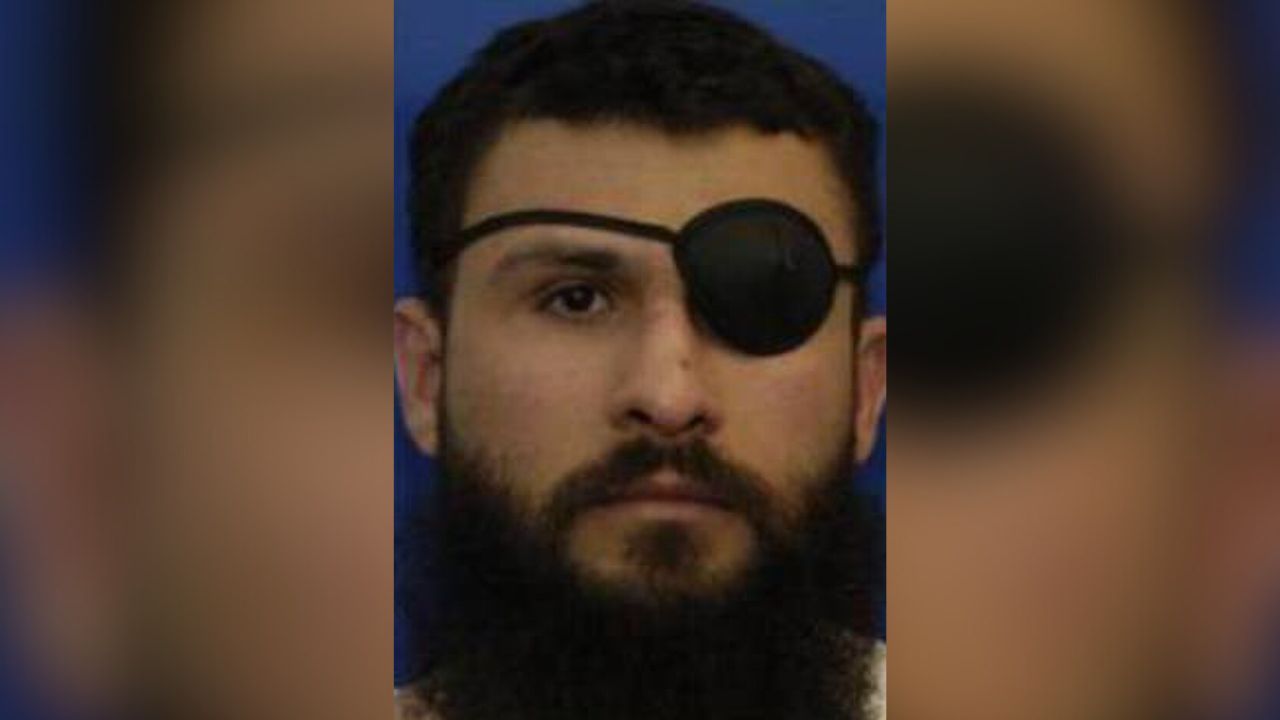
Abu Zubaydah’s Capture and Early Life
Abu Zubaydah, whose given name is Zayn al-Abidin Muhammad Husayn, was born in Riyadh, Saudi Arabia, though he is of Palestinian origin. According to CAGE Senior Director and former Guantanamo Bay prisoner Moazzam Begg, Zubaydah grew up in Ramallah, Palestine, where he participated in early resistance against the Israeli occupation by throwing stones at military tanks.
In the chaotic aftermath of the September 11 attacks, the U.S. government launched its sweeping "war on terror," identifying Zubaydah as a high-value target. He was first captured in Faisalabad, Pakistan, in March 2002 by U.S. forces alongside more than 30 other suspects. At the time, senior Bush administration officials and President George W. Bush personally publicized his capture, hailing him as a senior Al-Qaeda operative who was actively "plotting and planning murder." However, these initial allegations that he was a core member of Al-Qaeda were eventually dropped by the U.S. government as his detention extended with zero formal charges.
Following his arrest in Pakistan, Zubaydah was plunged into the secretive and brutal CIA detention network. Before eventually being transferred to the military prison at Guantanamo Bay, Cuba, in September 2006, he spent four years imprisoned across a network of covert CIA "black sites" located in at least six different countries, including Thailand, Lithuania, and Poland. These black sites operated entirely outside the boundaries of the U.S. legal system and international humanitarian law, allowing intelligence agencies to operate with complete impunity.
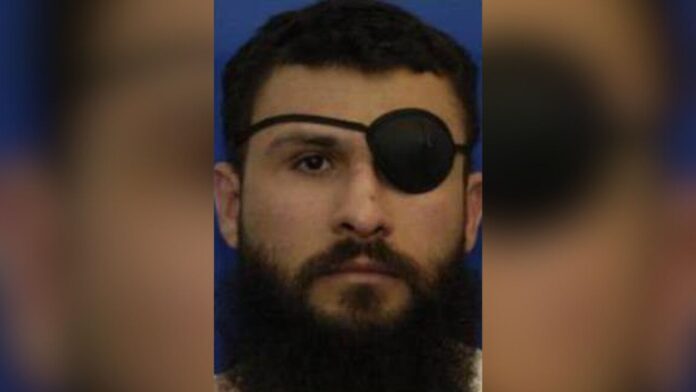
Torture Techniques and the "Forever Prisoner"
Almost immediately upon his capture, the CIA began orchestrating and applying extreme interrogation methods designed to test the limits of human endurance. Documented in extensive detail within CIA records cited by the Senate Select Committee on Intelligence (SSCI) report and depicted vividly in drawings created by Zubaydah himself from his prison cell, these methods formed the foundation of what the agency euphemistically labeled "enhanced interrogation."
Abu Zubaydah holds the tragic distinction of being the very first individual subjected to these dehumanizing torture techniques. A U.S. Senate intelligence committee report detailing the CIA detention and interrogation program confirmed that he was waterboarded 83 times, locked repeatedly in cramped, coffin-shaped boxes, subjected to sleep deprivation, and physically and sexually assaulted. CAGE Senior Director Moazzam Begg reiterated the grim reality of these abuses, noting that interrogators routinely subjected him to physical trauma, waterboarding, and confinement in dark, enclosed spaces.
Prof Helen Duffy, international legal counsel representing Zubaydah, emphasized that the human rights violations he has suffered are not merely historical chapters of the past, but ongoing grievances. While acknowledging the importance of the financial settlement, Duffy noted that the compensation, though substantial, remains insufficient to address the gravity of the systemic wrongs committed against him. She has continuously urged the UK government and other international bodies to accept shared responsibility for his prolonged, unlawful detention and continued suffering.

Due to legal restrictions, the exact financial figure of the settlement has not been publicly disclosed. However, legal representatives have described it as a substantial sum of money, though they noted that Abu Zubaydah is currently unable to access or manage the funds directly while remaining incarcerated.
Today, Abu Zubaydah remains one of just 15 prisoners still held indefinitely at the Guantanamo Bay detention camp—a facility established by President George W. Bush in 2002 specifically to house individuals designated as "illegal enemy combatants" and terrorism suspects without trial. Widely dubbed the "forever prisoner" by human rights advocates and legal observers, he has spent nearly a quarter of a century confined without ever being charged, tried, or convicted of any crime.
Legal teams and advocates maintain hope that as legal battles yield accountability from complicit governments, pathways toward his eventual release will materialize. Prof Duffy noted that Zubaydah ultimately looks forward to gaining his freedom, establishing a new life outside the confines of military detention, and utilizing the secured financial provisions to support himself independently when that day finally arrives.