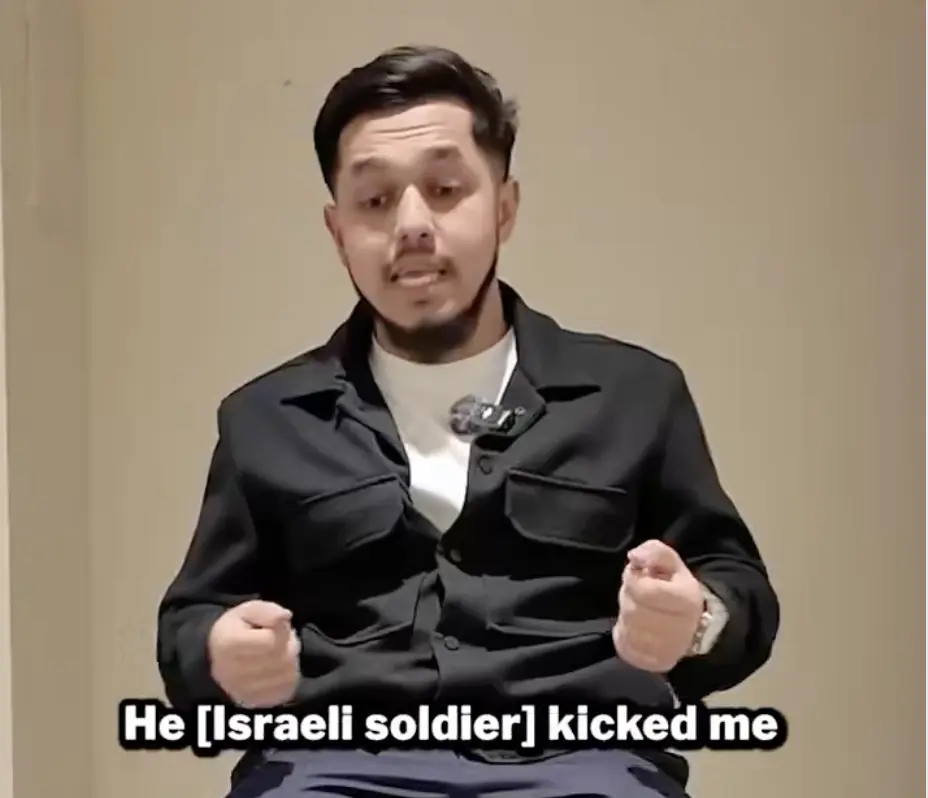
LONDON — Advocacy organization CAGE International has published harrowing testimonies detailing a violent confrontation involving three British citizens who were physically assaulted by Israeli forces while visiting the Al-Aqsa Mosque compound in occupied East Jerusalem during the holy month of Ramadan.
The accounts, which have been brought to light through exclusive reporting, outline a terrifying sequence of events in which the British nationals—identified as Raz, Syed, and Ismail—were allegedly dragged, kicked, and subjected to direct threats with firearms by armed personnel stationed at Islam’s third holiest site. Despite the extreme danger and physical aggression they faced, the victims maintained their composure during an encounter that underscores the escalating tensions and volatile security environment surrounding religious sites in Jerusalem.

According to the documentation provided by CAGE International, the trio was targeted by Israeli forces while navigating the Al-Aqsa compound. The physical assault involved severe mistreatment, including being dragged across the ground and subjected to kicks. In one of the most chilling moments of the ordeal described in the testimonies, one of the victims recounted being directly targeted with a firearm.
"One of the guys [Israeli soldiers] points a gun in my face and then my chest. I literally just laughed at him," one of the victims explained, highlighting the brazen nature of the aggression and the psychological resilience displayed by the visitors in the face of lethal intimidation. Visual evidence and video footage corroborating aspects of the confrontation have also been shared alongside the testimonies, offering a stark glimpse into the realities faced by worshippers and visitors at the flashpoint compound.
The incident occurs against the backdrop of heightened sensitivities at the Al-Aqsa Mosque compound, a location of profound spiritual significance for Muslims worldwide. Throughout Ramadan, the compound typically draws hundreds of thousands of worshippers for nightly prayers and religious observance. However, the period is frequently marked by stringent security restrictions, access limitations, and friction between Palestinian worshippers, international visitors, and Israeli security personnel.

Civil rights organizations and human rights monitors have long documented an increase in heavy-handed policing, restrictions on movement, and altercations at the holy site. For British citizens traveling abroad, incidents involving foreign security forces raise significant diplomatic and consular concerns regarding the safety and protection of UK nationals exercising their freedom of movement and religious practice overseas.
In response to the violent episode, CAGE International has strongly condemned the actions of the Israeli forces, characterizing the assault as part of a broader pattern of intimidation aimed at deterring Muslims from visiting and engaging with the historic site. Rather than allowing the violence to create a chilling effect, the advocacy group has issued a defiant call to action, urging Muslims worldwide—including diaspora communities in the United Kingdom and beyond—to continue visiting Al-Aqsa and maintaining a visible presence at the mosque.
"We will continue to visit the Al Aqsa compound and call on you all to visit the masjid too—to challenge Israel’s attempt to destroy the third holiest site in the Islamic religion in the name of Zionism," CAGE International stated in its official release addressing the incident. The organization emphasized that solidarity visits and international presence serve as vital mechanisms to resist ongoing encroachments and assert the global Muslim community’s enduring connection to the sanctuary.

The publication of these testimonies serves as a significant milestone in bringing international attention to the plight of foreign visitors caught up in the realities of the occupation and policing in East Jerusalem. As human rights advocates continue to monitor the situation closely, the resilience demonstrated by Raz, Syed, and Ismail highlights the personal risks faced by those who choose to bear witness to conditions on the ground at one of the world’s most sensitive religious and political landmarks.