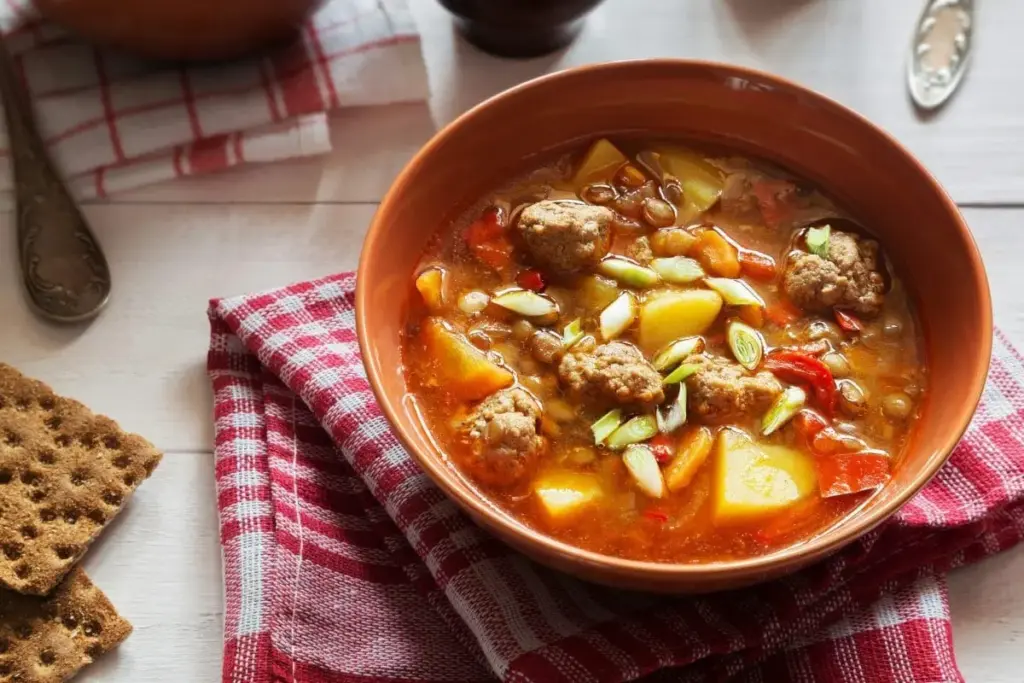
At first glance, a pot of beef broth appears to be one of the most straightforward culinary preparations in any kitchen. Composed essentially of bones, meat, and water, it seems to present few complications regarding dietary compliance. However, regulatory frameworks established by leading Islamic authorities—such as Singapore’s Majlis Ugama Islam Singapura (MUIS) and Malaysia’s Jabatan Kemajuan Islam Malaysia (JAKIM)—reveal a much more complex reality. Determining whether a simmering pot of broth or a commercially packaged carton meets Islamic dietary laws depends heavily on the origin of the cattle, the method of slaughter, the inclusion of secondary ingredients, and the integrity of the processing environment.
Under MUIS guidelines, food and drinks are generally considered lawful, or halal, unless explicitly forbidden by clear injunctions in the Quran and the Hadith. Despite this permissive baseline, specific categories of non-halal items are rigorously defined. Among these, MUIS explicitly lists animals that have not been slaughtered according to Islamic requirements. Consequently, any broth derived from cattle that did not undergo proper Shariah-compliant slaughter is deemed non-halal. For processed foods, MUIS evaluates compliance across four distinct pillars: the slaughter process itself, the nature of all added ingredients, the cleanliness and dedication of the equipment used, and the absolute separation of halal products from non-halal substances throughout the supply chain.
What is Beef Broth, and How Does It Differ from Stock and Bone Broth?
In culinary terms, beef broth is the flavorful liquid that remains after beef bones and meat are simmered in water, frequently accompanied by aromatics such as onions, carrots, celery, herbs, and spices. It serves as a foundational base for a wide variety of soups, stews, sauces, and rice dishes. Yet, everyday cooking terminology often blurs the lines between broth, stock, and bone broth.
Traditional stock typically relies more heavily on bones—which are often roasted beforehand—yielding a richer, thicker liquid due to the higher concentration of released compounds. Bone broth takes this process a step further by extending the simmering time significantly. Meanwhile, commercial broths sold in supermarkets in cartons, cans, cubes, or powders introduce an additional layer of complexity. These mass-produced products frequently incorporate flavorings, preservatives, and other chemical additives that a home cook would never select independently.
Despite these culinary distinctions, each variation raises the exact same fundamental questions under Islamic dietary law. Consumers and manufacturers must determine the provenance of the animal, scrutinize every supplementary ingredient in the liquid, and verify the history of contact the product experienced on its journey from the processing plant to the dining table.
What Makes Beef Broth Halal or Non-Halal Under MUIS Rules?
MUIS maintains stringent conditions that any processed food must satisfy to attain halal certification. These criteria apply just as rigorously to a carton of commercial beef stock as they do to any other packaged food product, extending far beyond the primary meat component.
The primary condition stipulated by MUIS dictates that a processed food is halal only if the product and its constituent ingredients are completely free from any components or products derived from animals that are considered non-halal under Shariah law, or animals that were not slaughtered in accordance with those laws. This distinction holds critical importance for broth production. Because the rule encompasses any animal component or product rather than just the meat, the bones, cartilage, and fat utilized in a stock are subjected to the exact same rigorous slaughter standard as the prime cuts of beef.
Ingredient selection introduces another critical compliance hurdle. MUIS explicitly categorizes intoxicants, such as alcoholic beverages, and swine-derived products, such as pork and lard, as non-halal. Wine, being a common alcoholic beverage, is frequently utilized by cooks in conventional kitchens to deglaze roasting pans or to deepen the flavor profile of a stock. Under MUIS regulations, however, the volume of the non-halal ingredient offers no legal loophole. Its secondary condition mandates that a halal processed food must not contain anything—whether in large or minuscule quantities—that is deemed non-halal according to Shariah law. Even a minor splash of wine in a massive stockpot or a trace amount of lard in a flavor base renders the entire batch non-halal.
Furthermore, shared kitchen equipment presents a substantial compliance challenge. MUIS regulations dictate that halal processed food must be prepared, processed, or manufactured using equipment and facilities that are entirely free from cross-contamination with non-halal substances. This obligation of separation persists long after the cooking process concludes. MUIS requires that during preparation, processing, storage, and transportation, the halal product must remain completely segregated from any food items that fail to meet its standards. For a commercial broth manufacturer, this mandate extends from the initial stockpot and the factory filling line all the way to the delivery truck.
How Does JAKIM Treat Gelatin and Collagen in Certified Food?
The prolonged simmering inherent in broth-making naturally draws collagen and gelatin out of beef bones, and many commercial broths may contain added gelatin for texture. To regulate this, Malaysia’s Jabatan Kemajuan Islam Malaysia has instituted specific documentation protocols for manufacturers utilizing these substances.
In a formal announcement, JAKIM stipulated that applicants and holders of the Malaysia Halal Certification who incorporate collagen or gelatin into their products must provide rigorous documentation. In addition to possessing a recognized halal certificate and a DNA laboratory-analysis report, applicants must submit technical paperwork confirming the original source of the collagen and gelatin. JAKIM accepts four specific types of documentation for this purpose: a product specification, a product description, a Material Safety Data Sheet, or a Technical Data Sheet.
This directive applies broadly to manufacturers utilizing collagen or gelatin either as raw materials and ingredients or as components of finished, gelatin-based end products. A broth maker seeking Malaysian certification who introduces gelatin as an additive falls squarely into this regulated group.
What Should You Do When a Broth’s Halal Status Is Unclear?
Situations frequently arise where the precise origin of a food product’s components remains ambiguous. MUIS classifies these grey-area ingredients under the term Syubhah, designating them as doubtful. A prime example used by MUIS is lecithin, which is recognized as halal when derived from plant sources, but non-halal if sourced from pigs or from animals slaughtered outside of Islamic law. The guidance provided by MUIS in such scenarios is direct: until the status of the item is definitively clarified, Muslims should abstain from consuming Syubhah food and drinks.
The array of flavorings, fats, and additives found in commercial broths can easily trigger similar questions regarding origin. Consumers seeking clarity are advised to pose questions to manufacturers that align directly with MUIS conditions, inquiring specifically about the slaughter method of the cattle, the sourcing of every ingredient, and whether production lines are shared with non-halal items.
Dining outside the home introduces similar uncertainties with significantly less transparency. To assist consumers in Singapore, MUIS maintains an accessible directory of halal-certified eating establishments and food preparation areas. This resource enables diners to verify the credentials of a restaurant before ordering dishes like beef soup or noodle broth.
Is Bone Broth Halal, and Is Homemade Broth Any Different?
Bone broth is essentially beef broth prepared with an increased proportion of bones and subjected to a much longer simmering duration. Because MUIS’s foundational rules explicitly cover all components and products of animals that are non-halal or improperly slaughtered, the bones utilized in bone broth are scrutinized just as strictly as the meat.
Preparing broth at home places each of these verification steps directly into the hands of the individual cook. The home cook retains full autonomy over the selection of the butcher, the specific bones purchased, the deglazing liquids employed, and the cleanliness of the cooking vessel. In contrast, purchasing store-bought broth transfers all of those critical decisions to a commercial manufacturer, meaning that the established regulatory conditions for processed foods become the essential questions a consumer must ask of the brand.