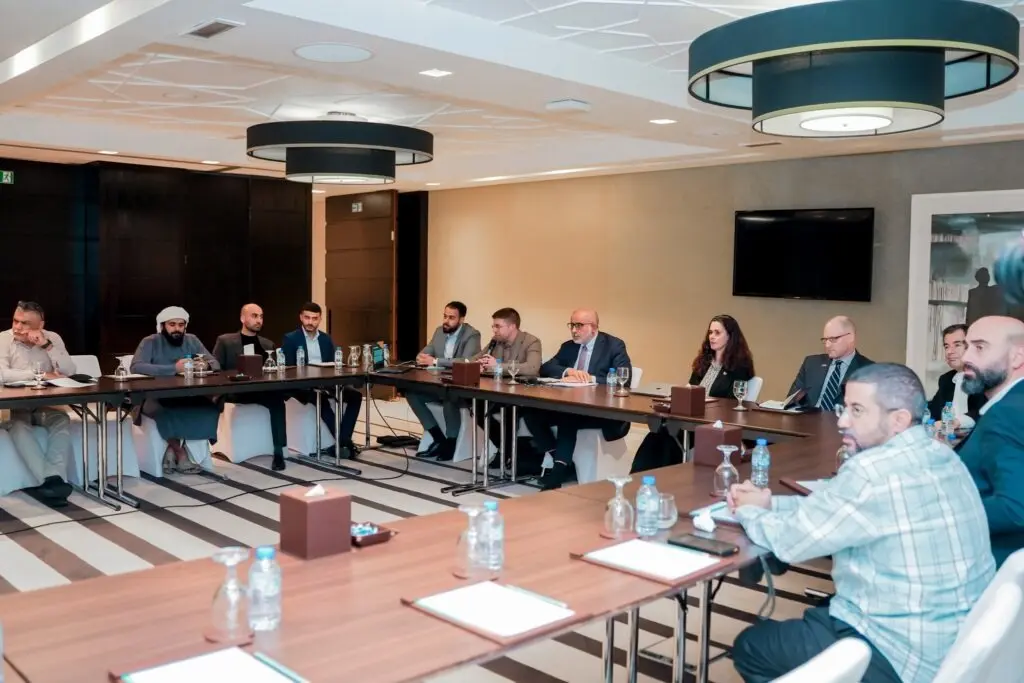
TORONTO / GLOBAL — In an era where artificial intelligence continues to reshape the contours of modern society, global institutions are increasingly recognizing that the future of technology cannot be left to technologists alone. Addressing this urgent imperative, Kalam Research & Media (KRM) recently hosted a high-level academic workshop in collaboration with Canada’s University of Guelph, convening leading minds from the realms of philosophy, computer science, and institutional leadership.
Titled “Humanities, Artificial Intelligence, and the Future of Responsibility,” the collaborative event was designed to spark deep, cross-disciplinary dialogue regarding the profound ethical, philosophical, and institutional dimensions of artificial intelligence. Against a backdrop of rapid technological advancement and growing public anxiety over algorithmic bias, data privacy, and systemic accountability, the workshop sought to explore actionable pathways for directing AI development toward serving humanity and actively strengthening public trust.
The gathering brought together a carefully curated group of specialists who examined how humanistic inquiry and technical innovation can intersect to create a more just digital future. By pairing philosophical frameworks with rigorous computer science perspectives, the workshop served as a vital forum for rethinking how societies govern, build, and deploy advanced technological systems.
Digital Wisdom
Opening the academic proceedings, Dr. Joshua August Skorburg, Associate Professor of Philosophy at the University of Guelph, delivered a compelling keynote lecture entitled “Digital Wisdom.” Dr. Skorburg’s address challenged conventional paradigms of technological regulation, drawing a sharp distinction between rigid, compliance-based ethics—which often focus merely on checking boxes and adhering to minimal legal standards—and a deeper, virtue-based ethics grounded in practical human judgment.
Dr. Skorburg argued that as automated systems grow increasingly autonomous and pervasive, simply ensuring that an algorithm complies with existing rules is wholly insufficient. Instead, he maintained that building truly responsible artificial intelligence systems requires cultivating what he termed “institutional wisdom.” This form of wisdom goes beyond individual programming choices, demanding that organizations and developers foster an internal culture capable of making nuanced, balanced decisions under conditions of extreme complexity, ambiguity, and uncertainty.
The lecture resonated strongly with the multidisciplinary audience, prompting extended debate over how human institutions can adapt their governance structures to keep pace with systems that learn, evolve, and execute decisions at lightning speeds. Dr. Skorburg emphasized that fostering digital wisdom means embedding ethical reflection into the very DNA of technological deployment, ensuring that human judgment remains the ultimate arbiter in high-stakes environments.
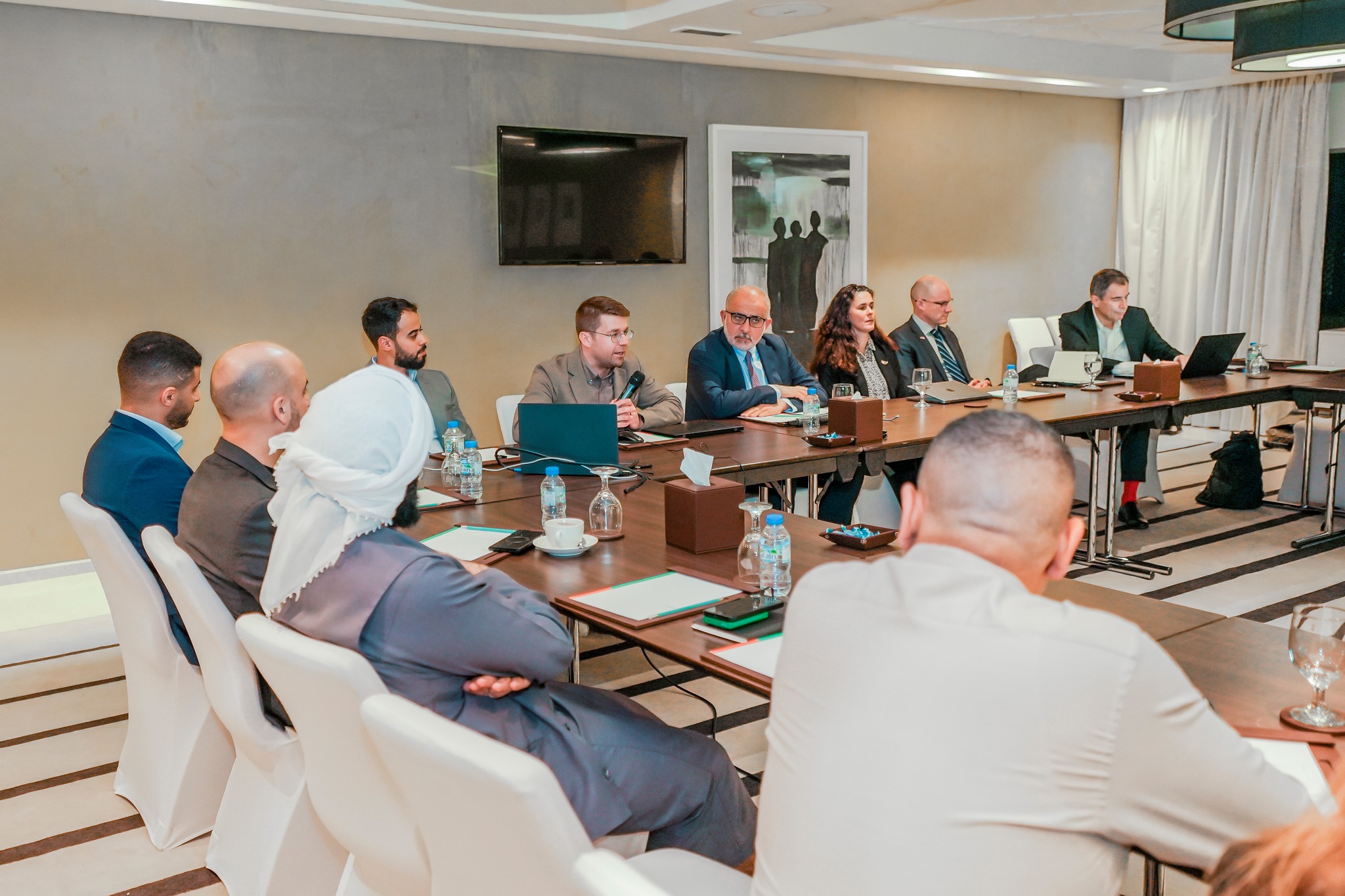
Responsible Data Mining
Shifting from the realm of abstract philosophy to the tangible mechanics of computer science, Dr. Louisa Anthony, Assistant Professor of Computer Science at the University of Guelph, delivered a technical yet deeply ethical presentation titled “Responsible Data Mining.” Dr. Anthony focused her remarks on the foundational layers of artificial intelligence development, arguing that ethical responsibility cannot be treated as an afterthought or patched on after a model has already been trained and deployed.
According to Dr. Anthony, true accountability begins long before algorithmic model design ever takes place. She directed the audience’s attention to the earliest stages of the data pipeline, including data collection, linkage, definition, and evaluation. Every dataset, she noted, carries inherent human biases, historical exclusions, and structural blind spots that are easily amplified by machine learning algorithms if not rigorously interrogated at the outset.
To combat this, Dr. Anthony stressed the critical importance of designing data pipelines that are inherently auditable and accountable. By establishing transparent protocols for how data is gathered, cleaned, and categorized, computer scientists can create traceability mechanisms that allow external auditors and institutional stakeholders to examine how decisions are made. Her presentation underscored the reality that technical rigor and ethical responsibility are not competing forces, but rather interdependent prerequisites for trustworthy AI systems.
Toward a Responsible Future
The convergence of philosophical inquiry and technical implementation culminated in a dynamic closing discussion moderated by Prof. Aref Ali Nayed, Chairman of Kalam Research & Media. Bringing together the diverse threads of the day’s presentations, Prof. Nayed synthesized the philosophical depth of Dr. Skorburg’s insights with the technical pragmatism of Dr. Anthony’s frameworks.
In his concluding remarks, Prof. Nayed emphasized that the future of artificial intelligence cannot and should not be built upon a foundation of technical efficiency alone. While raw computational power, speed, and optimization are valuable metrics of engineering success, they are fundamentally inadequate for guiding societies through the moral dilemmas posed by modern technology. Instead, Prof. Nayed argued that sustainable technological progress requires a deliberate synthesis of wisdom, ethical clarity, and institutional responsibility.
The robust exchange of ideas during the closing session highlighted the shared commitment of both Kalam Research & Media and the University of Guelph to breaking down traditional silos between the humanities and the hard sciences. Organizers noted that the workshop forms a crucial part of Kalam Research & Media’s broader, ongoing efforts to foster meaningful international and cross-disciplinary dialogue. By bridging the gap between emerging technologies and classical humanistic values, KRM aims to contribute to the development of practical ethical frameworks that can help safeguard human dignity, equity, and justice in an increasingly digitized world.