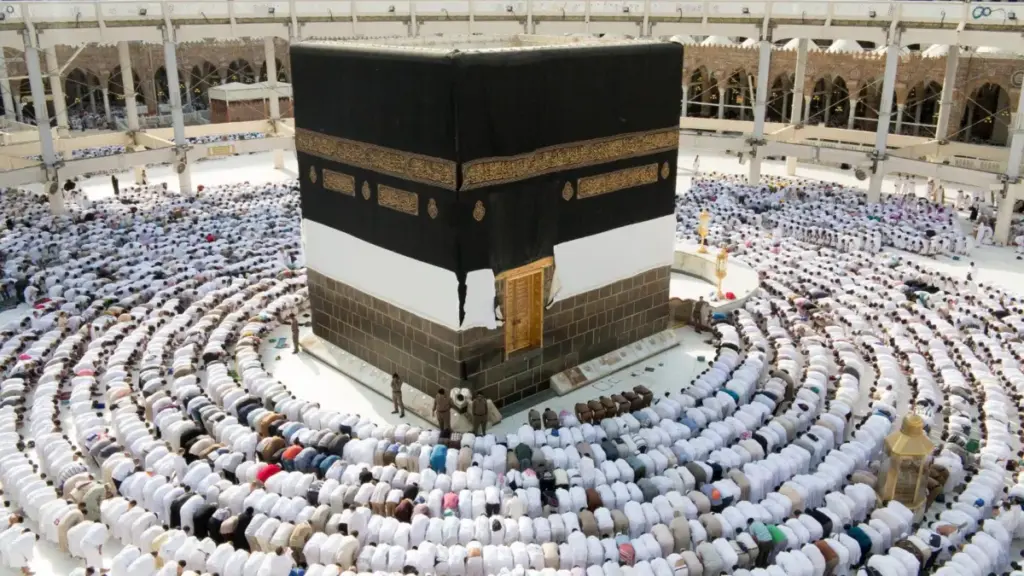
As the auspicious season of Hajj draws near, millions of Muslims around the world are deep into their preparations, while others have already begun their physical and spiritual journeys toward the holy city of Makkah. This migration is an answering call to Allah’s divine invitation to visit His Sacred House—an invitation first proclaimed by Prophet Ibrahim and subsequently renewed by Prophet Muhammad, peace be upon both of them. For believers, embarking on this pilgrimage is the culmination of a lifelong spiritual yearning, marking a profound milestone in their faith.
Yet, beyond the rituals, the physical exertion, and the immense logistical coordination required for millions to gather in one place, the fundamental question remains: Why is Hajj holds such profound importance in Islam? To understand its central place in the religious consciousness of Muslims, one must look to the traditions and sayings of Prophet Muhammad, which illuminate the spiritual dimensions, legal status, and immense value of the pilgrimage.
A Foundational Pillar of Islam
Among the diverse and multifaceted acts of worship prescribed in Islam, Hajj occupies a position of supreme importance. It is not merely a recommended journey or a cultural tradition, but an indispensable pillar upon which the entire structure of the faith rests. This status is clearly defined in foundational Islamic jurisprudence, derived directly from the statements of the Prophet.
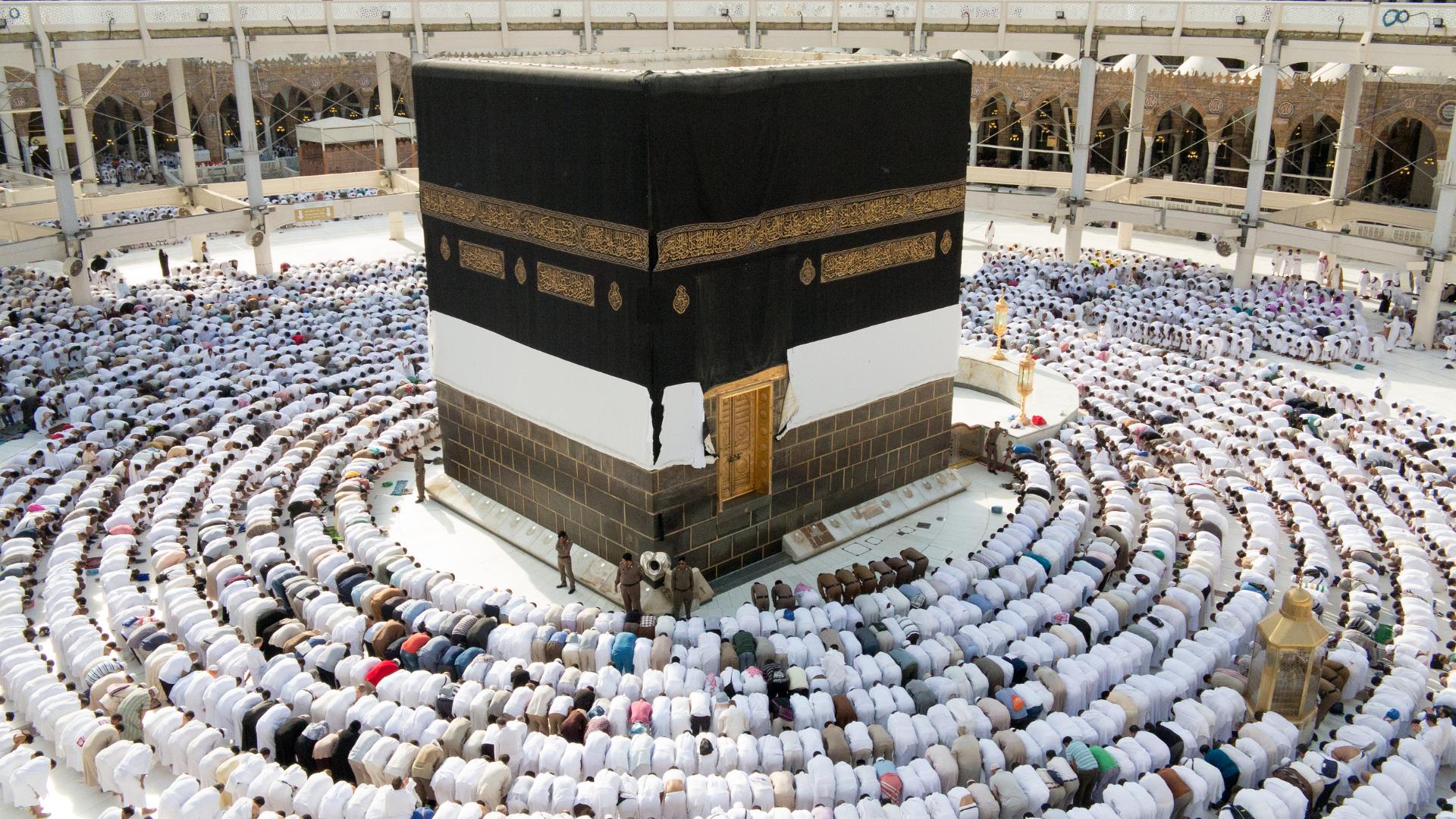
In a well-documented narration transmitted by Abdullah ibnUmar, may Allah be pleased with them both, the Prophet outlined the core framework of the religion. He stated that Islam has been built upon five central pillars: testifying that there is no god but Allah and that Muhammad is His Messenger, establishing regular prayers, paying the obligatory charity known as zakah, making the pilgrimage to the Sacred House, and fasting during the month of Ramadan.
By categorizing Hajj alongside the declaration of faith, daily prayers, annual charity, and fasting, Islamic tradition places the pilgrimage at the very heart of religious practice. It binds the global Muslim community together in a shared act of devotion that transcends geographical, cultural, and linguistic boundaries, uniting believers in a singular expression of submission to the Divine.
Once-in-a-Lifetime Obligation
Despite the immense spiritual significance and religious merit attached to Hajj, Islamic law balances this gravity with divine mercy, taking into account the physical and financial realities of human life. A defining characteristic of the pilgrimage is that it is obligatory to perform only once in a lifetime, reflecting the ease and accessibility inherent in the faith.
The wisdom behind this limitation is recorded in an incident narrated by Abu Hurairah, may Allah be pleased with him. One day, the Prophet addressed the community, urging them to fulfill the obligation that Allah had prescribed upon them. Upon hearing this general command, a man stood up and asked whether the pilgrimage was required every single year.

The Prophet initially remained silent. When the man repeated his question three times, the Prophet responded by explaining that had he answered in the affirmative, Hajj would have become a mandatory annual requirement, a burden that would have far exceeded the capacity of the people.
Following this, the Prophet offered broader guidance to his followers, advising them not to press for excessive details regarding matters he had not explicitly mandated. He noted that previous nations had met their ruin because of their excessive questioning and their tendency to dispute with their prophets. He instructed the community that when he commanded them to do something, they should fulfill it to the best of their ability, and when he forbade something, they should avoid it entirely. This approach established a principle of moderation and feasibility, ensuring that the foundational duties of Islam remain achievable for every capable believer.
A Special Rank and Value Among Good Deeds
Throughout the history of early Islam, the Companions of the Prophet were deeply eager to understand how different acts of worship ranked against one another. Their goal was to prioritize their good actions based on their spiritual value in the sight of God, ensuring they invested their efforts in the most rewarding pursuits.
In another narration featuring Abu Hurairah, the Prophet was once asked to identify the best and most virtuous deed a person could perform. Without hesitation, the Prophet placed belief in Allah and His Messenger at the very summit of spiritual achievement. When asked what came next in order of merit, he pointed to striving, or jihad, in the cause of Allah. When the questioner inquired further about what followed that, the Prophet designated an accepted pilgrimage—known as Hajj mabroor—as holding that exalted position.
This classification underscores the immense spiritual weight carried by the pilgrimage. An accepted Hajj, performed with sincerity, devotion, and strict adherence to the prophetic tradition, stands among the highest tiers of righteousness in Islamic theology. It represents a comprehensive act of worship that engages the heart, the mind, and the physical body, leaving an enduring mark on the soul of the pilgrim as they return home with renewed faith and purified purpose.