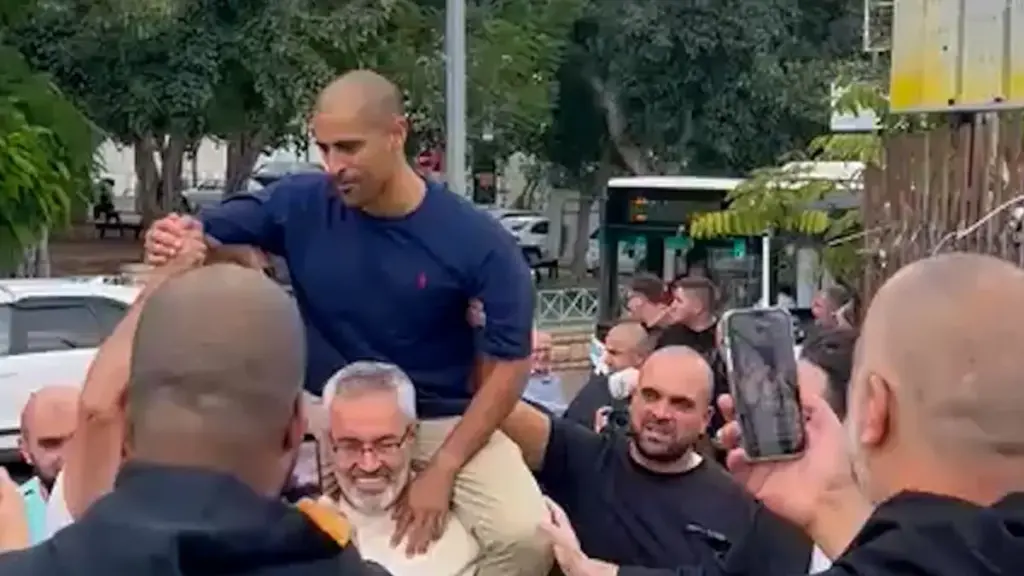
Israeli authorities have released Palestinian journalist and political activist Abed Abou Shhadeh following a five-day period in police detention. Abou Shhadeh, a prominent voice within his community known for his reporting on political and social affairs, was freed without significant legal restrictions being imposed upon him moving forward.
Speaking out immediately following his release, Abou Shhadeh characterized his recent arrest and subsequent detention as an entirely politically motivated action intended to silence his journalistic pursuits and civic advocacy. Undeterred by the experience, he vowed to continue his professional work as a journalist and maintain his ongoing efforts to fight for equality and justice for Palestinians.
The brief yet intense detention period has drawn fresh attention to the complex and often tense environment in which Palestinian reporters, writers, and political activists operate. Abou Shhadeh’s case highlights the ongoing challenges faced by media professionals who cover sensitive socio-political issues on the ground, where the boundaries between journalistic reporting, political activism, and state security measures frequently intersect in controversial ways.
Throughout his detention, supporters, human rights advocates, and colleagues closely monitored his situation, expressing concern over the implications of detaining members of the press. Law enforcement agencies, however, generally operate under mandates related to public order and security, though specific details surrounding the initial grounds for Abou Shhadeh’s arrest and the subsequent decision to release him without heavy conditions remain part of the broader ongoing discourse regarding freedom of expression and the press in the region.
Abou Shhadeh’s determination to resume his activities signals that the legal pressure he faced has not diminished his resolve. As he returns to his daily life and professional commitments, his case remains a notable point of reference in discussions concerning the safety, rights, and operational freedoms of journalists and political figures operating within the area. The unfolding developments will likely continue to be closely watched by media watchdogs and international observers interested in press freedom and civil liberties in the region.