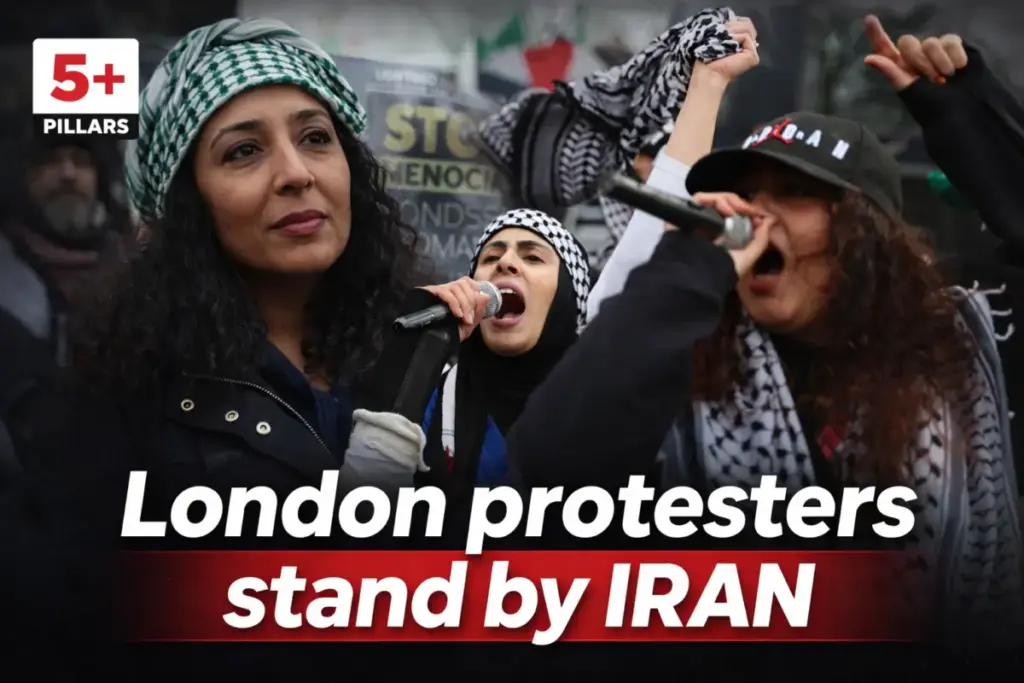
The demonstration drew a diverse coalition of peace activists, community organizers, anti-war campaigners, and concerned citizens who filled central London thoroughfares. Carrying a sea of banners, placards, and flags, the protesters chanted slogans denouncing foreign intervention in the Middle East and demanding an immediate cessation of hostilities. The atmosphere was charged with urgency as speakers and participants alike warned that ongoing actions by Washington and Tel Aviv threaten to ignite a catastrophic wider war with devastating global consequences.
A central theme of the mobilization was a direct challenge to British foreign policy, with demonstrators specifically targeting Prime Minister Keir Starmer’s administration. Placards hoisted high above the crowd bore direct messages urging the government to halt its diplomatic and military backing of Israeli operations. Slogans such as "tell Starmer: stop arming Israel" reflected widespread grassroots frustration over Britain’s strategic alliances and military exports. Protesters argued that London’s continued material and political support for regional military campaigns makes the UK an active participant in violations of international law and human rights, rather than a force for peace and stability.

The demonstration also featured strong anti-interventionist sentiments directed squarely at the United States. Activists marched under banners reading "stop Trump’s wars," highlighting ongoing fears regarding aggressive American foreign policy objectives and unilateral military maneuvers in West Asia. Demonstrators criticized what they termed "nuclear hypocrisy," pointing to double standards in how international nuclear frameworks and non-proliferation policies are enforced globally, particularly regarding regional actors possessing unacknowledged nuclear arsenals.
Alongside the overarching anti-war messaging, the protest saw a prominent display of solidarity with both the Iranian and Palestinian people. Waving a mix of Iranian and Palestinian flags, participants drew explicit parallels between the struggles facing populations across the region. Speakers emphasized that the campaign against Iran cannot be viewed in isolation, but rather forms part of a broader pattern of imperialist aggression and military intervention aimed at suppressing sovereign nations and grassroots resistance movements throughout the Middle East.
The march underscored a growing rift between public sentiment in the United Kingdom and the official positions held by Western political establishments. While government officials continue to frame their diplomatic stances and military postures around concepts of deterrence and regional security, the thousands who took to the streets in London offered a starkly different narrative. They characterized current military actions not as defensive measures, but as a reckless gamble that places millions of civilian lives at risk for geopolitical hegemony.

As the procession moved through the city, organizers reiterated their core demands: an immediate end to the bombing of Iran, a complete halt to British arms sales and military cooperation linked to the conflicts, and a definitive rejection of any UK involvement in what they described as an illegal and unjustified war. The protest concluded with calls for sustained domestic mobilization, signaling that anti-war groups intend to keep up sustained pressure on Westminster as the security situation in the Middle East continues to deteriorate.