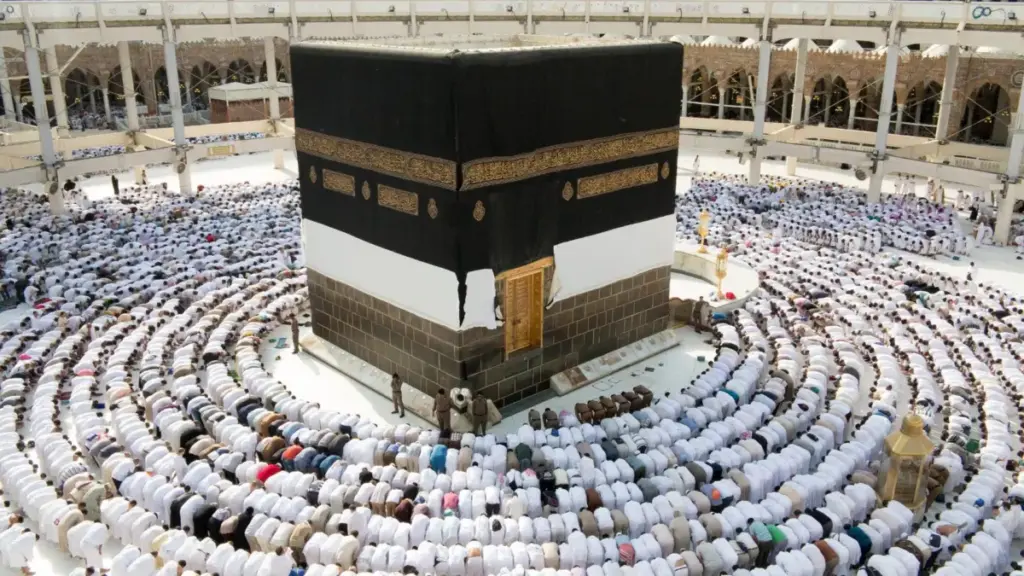
As the season of Hajj approaches, pilgrims worldwide are preparing for or already undertaking their sacred journey to Makkah. Millions of believers respond to the divine invitation to visit the House of Allah—an call first announced by Prophet Ibrahim and later renewed by Prophet Muhammad, peace be upon them both.
The pilgrimage represents one of the most profound spiritual experiences in Islam, drawing people from every corner of the globe into a unified community of faith. To understand the true weight and importance of this journey, many believers look to the recorded traditions, or hadiths, of Prophet Muhammad, which illuminate the status of Hajj within the Islamic faith.
A Pillar of Islam
Among the diverse acts of worship and rituals that define Islamic practice, Hajj holds a foundational position. It is not merely a custom or an optional journey, but rather an indispensable pillar upon which the entire structure of the religion rests.
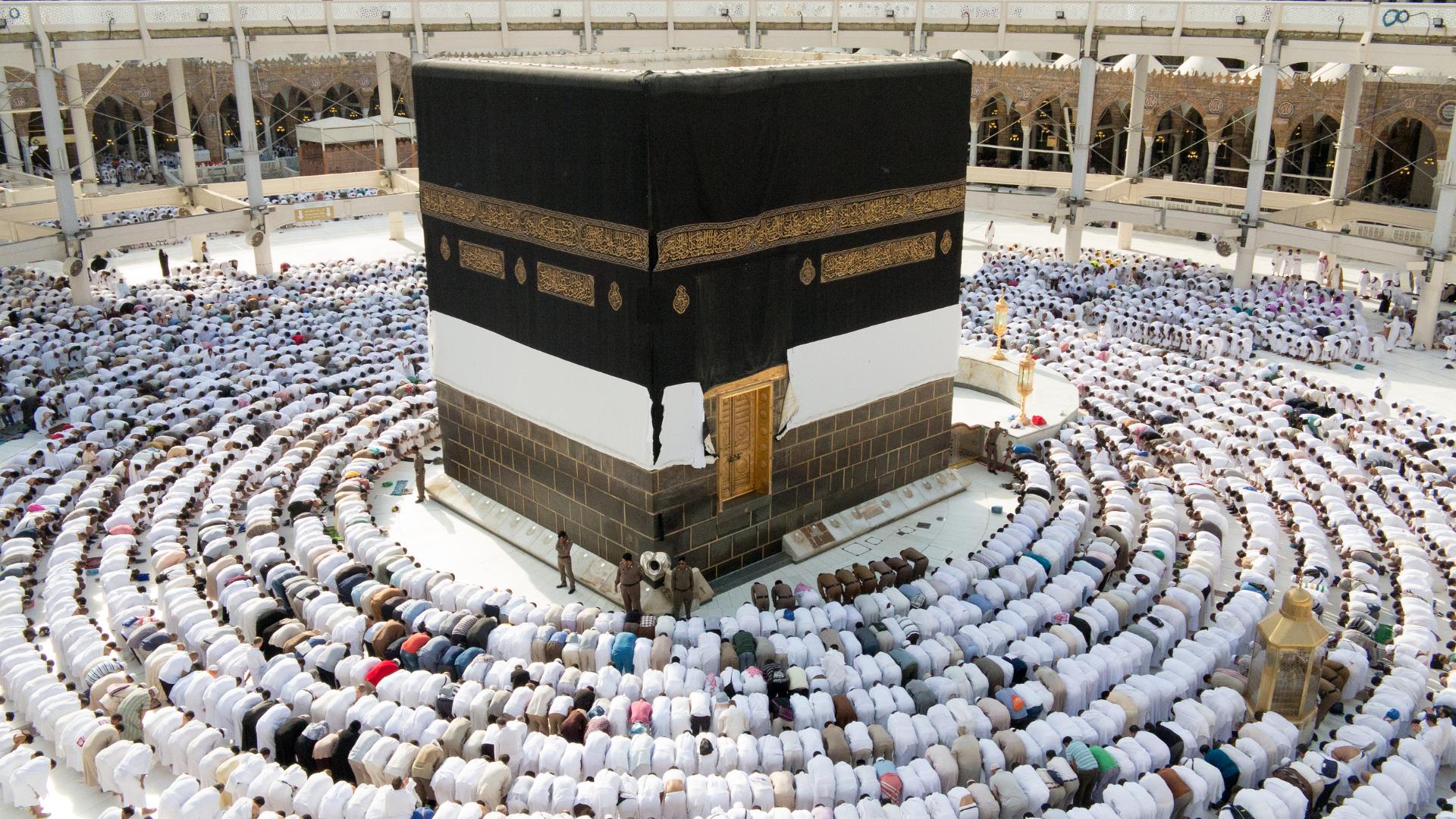
This status is clearly underscored in a widely referenced narration from Abdullah ibnUmar, who reported that the Prophet Muhammad stated that Islam is built upon five fundamental pillars. These include testifying that there is no god but Allah and that Muhammad is His Messenger, establishing regular prayers, paying the mandatory charity known as zakah, making the pilgrimage to the Sacred House, and fasting during the month of Ramadan.
By categorizing Hajj alongside the declaration of faith, daily prayers, charity, and fasting, Islamic tradition places the pilgrimage at the very core of a believer’s religious obligations. It serves as a physical, financial, and spiritual culmination of a Muslim’s duties to their Creator.
Once in a Lifetime
Despite the immense spiritual significance and mandatory nature of Hajj, Islamic jurisprudence reflects a profound understanding of human capacity and ease. Recognizing the physical demands, logistical challenges, and financial hurdles that pilgrims might face, the obligation of Hajj is prescribed to be fulfilled only once in a person’s lifetime.

This principle is highlighted in a historical account narrated by Abu Hurairah. One day, the Prophet Muhammad addressed the gathered community, urging them to fulfill the obligation of Hajj now that it had been prescribed for them. A man in the audience stood up and asked whether this obligation applied every single year.
The Prophet remained silent. When the man repeated his question a second and a third time, the Prophet responded by explaining that had he answered in the affirmative, it would have become a mandatory yearly obligation, a burden that would have exceeded human capability.
The Prophet then advised the people not to press with excessive questions about matters he had not explicitly mandated. He noted that previous communities had faced destruction because they continually questioned and disagreed with their prophets. He gave a guiding principle for religious practice: when commanded to do something, carry it out to the best of one’s ability, and when forbidden from something, avoid it entirely. This interaction established the rule that Hajj is required only once in a lifetime, offering mercy and accessibility to the global Muslim community.
A Special Rank and Value
The Companions of the Prophet Muhammad were constantly striving to understand the hierarchy of good deeds, ensuring they could prioritize their actions according to divine value. Their inquiries often led to profound clarifications regarding which acts of worship held the highest rank in the sight of Allah.
In another narration recorded by Abu Hurairah, a companion asked the Prophet which deed was considered the best. The Prophet replied that the foremost deed is true belief in Allah and His Messenger. When asked what came next, the Prophet answered that it was striving, or jihad, in the cause of Allah. When the companion inquired further about what followed that, the Prophet designated an accepted Hajj—known as Hajj mabroor—as the next highest virtue.
This ranking places a pilgrimage accepted by Almighty Allah among the highest tiers of righteousness, surpassed only by foundational belief and striving in the path of Allah. For millions preparing for the journey or reflecting upon its spiritual weight, these traditions serve as both an inspiration and a reminder of the transformative power embedded within the historic rituals of Makkah.