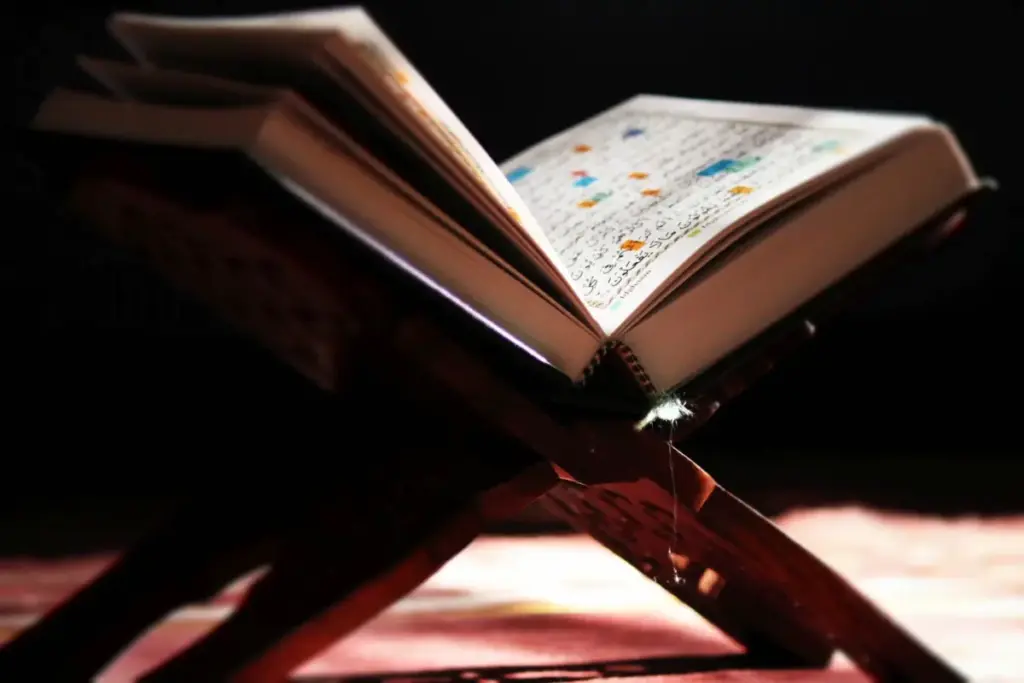
The origins of the Holy Quran and the source of Prophet Muhammad’s profound knowledge have remained subjects of profound theological study, historical inquiry, and spiritual reflection for centuries. In a recent installment of his widely followed video series, The Eternal Challenge, prominent scholar Sheikh Sohaib Saeed tackles one of the most foundational questions surrounding the Islamic faith: Who actually taught Prophet Muhammad the Quran?

Addressing viewers from a rigorous academic and theological perspective, Sheikh Saeed’s latest episode directly confronts and refutes long-standing historical allegations and modern misconceptions. Among the claims dismantled in the discussion are assertions floated by various critics over time, including the notion that human instructors—such as contemporary clergymen, scholars of previous traditions, or anonymous mentors—secretly tutored the Prophet, or that he merely compiled and quoted passages from earlier Abrahamic scriptures.
The comprehensive video presentation serves as both a scholarly defense and an exploration of the unique literary and theological nature of the Quran. By examining the historical context of seventh-century Arabia, the series delves into the environment in which the Prophet lived—a society largely characterized by oral traditions, poetry, and commerce, where a man known historically as unlettered suddenly introduced a text of unmatched linguistic brilliance, profound legal frameworks, and deep spiritual insight.

Central to Sheikh Saeed’s argument in this episode is the role of prophecy and foretold events within the Quranic text. The discussion pivots toward how the Quran handles predictions of the future, setting them apart from ordinary human foresight, educated guesses, or lucky estimations based on contemporary geopolitical trends. According to the theological framework presented in the series, genuine prophecy requires a divine source because human beings are inherently limited by time, space, and access to unseen realities.
Within Islamic scholarship, these prophecies function as a vital, empirical proof of the truthfulness of prophethood. When a text details specific future outcomes—ranging from military victories and political shifts to subtle civilizational developments—and those events subsequently transpire precisely as described, it challenges skeptics to provide an alternative explanation for how such precise foresight could originate from a human author living in the Arabian Peninsula during the early medieval period.

Sheikh Sohaib Saeed has built a reputation for addressing complex theological topics with clarity, engaging audiences through digital platforms like Facebook and specialized educational series. The Eternal Challenge series itself is structured to guide viewers through the multifaceted layers of the Quranic miracle, examining not just the text’s linguistic inimitable nature, but also its broader philosophical, historical, and spiritual dimensions.
Previous episodes in the series have laid the groundwork for these deep inquiries, exploring fundamental questions about the nature of the Quran, the relationship between the Prophet and the divine revelation, and the intellectual impossibility of human authorship. For instance, earlier installments such as "The Eternal Challenge: What is the Quran?" introduced audiences to the basic definition and grand scope of the scripture, while segments like "Eternal Challenge: Prophet and Book of Allah" examined the intricate synergy between the messenger and the message. Furthermore, discussions exploring whether the Prophet could have authored the text—summarized by the thematic premise that the Quran ultimately shaped the Prophet rather than the other way around—have challenged audiences to rethink traditional historiography surrounding the birth of Islam.
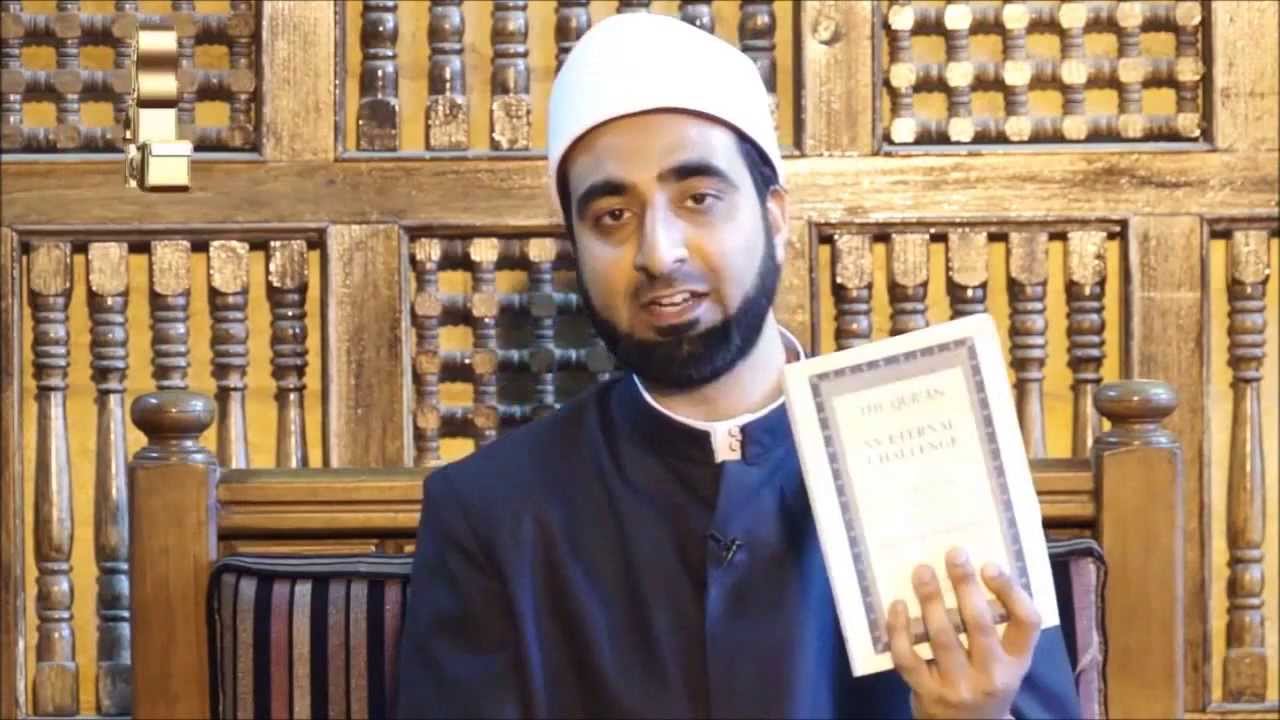
As contemporary discussions surrounding religion, history, and textual authenticity continue to evolve across digital and academic spaces, presentations like Sheikh Saeed’s provide structured, well-reasoned responses to historical polemics. By anchoring the debate in textual analysis, historical context, and the philosophical implications of prophecy, The Eternal Challenge continues to offer viewers a deeper appreciation of the intellectual and spiritual heritage of Islam.