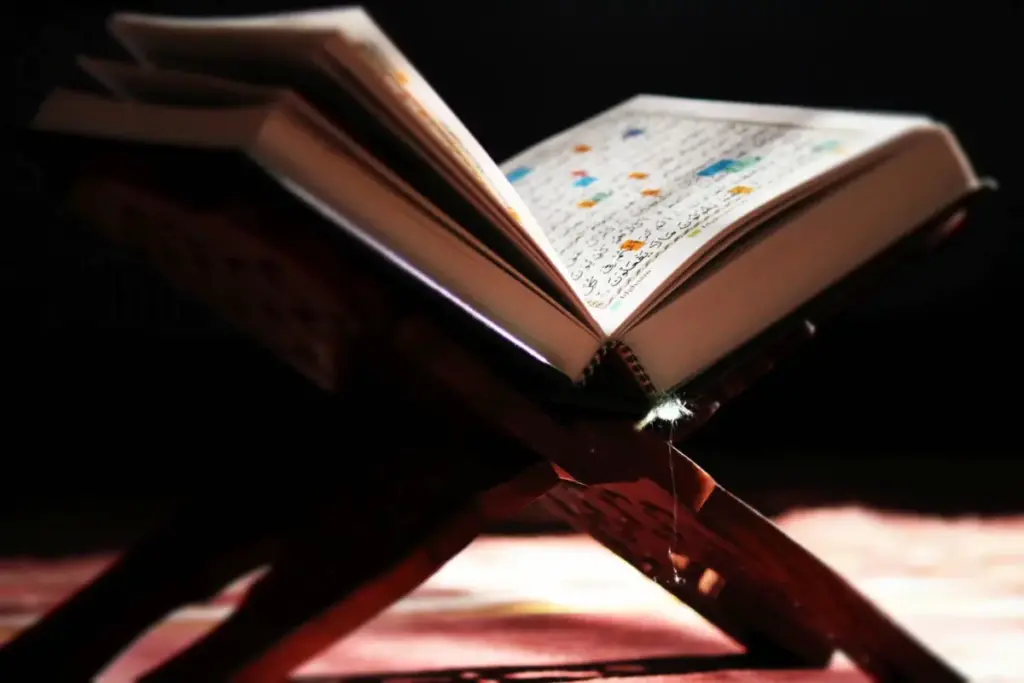
In the latest installment of the acclaimed video series The Eternal Challenge, scholar Sheikh Sohaib Saeed tackles one of the most foundational and frequently debated questions regarding Islamic history: Who actually taught Prophet Muhammad the Quran?
The episode dives deep into historical allegations, theological counterarguments, and the internal evidence of the Quran itself to address long-standing claims suggesting that the Prophet of Islam was instructed by human clergymen or that he merely compiled and quoted verses from previous Abrahamic scriptures. Through careful analysis, Sheikh Saeed systematically deconstructs these theories, offering viewers a comprehensive look at the origins of the final revelation.

The series, widely followed by students of Islamic studies and general audiences interested in comparative religion, aims to examine the literary, historical, and spiritual dimensions of the Quran. In this particular episode, the discussion moves beyond simple refutations to explore the nature of divine revelation and the specific criteria that distinguish true prophecy from historical guesswork or human authorship.
Addressing Historical Allegations and Human Influences
Throughout history, critics of Islam have posited various theories to explain the sudden emergence of the Quran in 7th-century Arabia. Among the most common claims is that Prophet Muhammad—known to history as unlettered—must have received private instruction from Christian monks, Jewish rabbis, or other religious scholars residing in or passing through the Arabian Peninsula.
In the video, Sheikh Sohaib Saeed addresses these allegations directly. He evaluates the socioeconomic and cultural realities of pre-Islamic Mecca, highlighting the absence of institutional religious scholarship or extensive theological libraries accessible to an ordinary merchant like Muhammad. Furthermore, the episode points out the stark theological and narrative differences between the Quranic text and the apocryphal or Talmudic traditions circulating in the region at the time, arguing that these discrepancies make the theory of human tutoring historically and textually implausible.

By drawing on scholarly arguments, the presenter reassures viewers that the unique linguistic structure, profound theological depth, and ethical framework of the Quran could not have been synthesized from sporadic encounters with contemporary religious figures. Instead, the presentation emphasizes the traditional Islamic view that the text was delivered directly through divine agency, untouched by human revision or tutorship.
The Role of Prophecies in the Quran
A significant portion of the newly released episode is dedicated to exploring the concept of prophecy within the Quran. Sheikh Saeed defines prophecy not as an educated guess, a stroke of political intuition, or a wise generalization about future trends, but rather as explicitly foretold news concerning specific future events that human beings could not possibly anticipate through empirical calculation.
In the context of the Islamic faith, predictive elements serve as a vital pillar supporting the truthfulness of prophets. The episode examines how the Quran contains references to future occurrences—ranging from geopolitical shifts between neighboring empires of the time to personal assurances given to the early Muslim community during moments of severe persecution—that subsequently unfolded precisely as described.

By analyzing these predictive passages, the series presents prophecy as an empirical and intellectual challenge to skeptics. The underlying argument posits that if a text produced in the Arabian desert accurately forecasts outcomes beyond the control or foresight of its author, it provides compelling evidence of a source transcending human capability.
Continuing ‘The Eternal Challenge’ Series
Sheikh Sohaib Saeed’s ongoing exploration in The Eternal Challenge builds upon a broader framework of videos examining the inimitable nature of the Quran, historically known as I’jaz al-Quran. The series has previously investigated fundamental themes such as the definition of the Quran, the relationship between the Prophet and the Book of Allah, and the intellectual impossibility of human authorship.
As debates surrounding the origins of scripture continue in contemporary academic and interfaith dialogues, resources like this series provide structured theological responses grounded in classical Islamic scholarship. By combining rigorous textual analysis with accessible presentation formats, the program caters to both academic inquirers and everyday believers seeking a deeper understanding of their faith’s foundational texts.
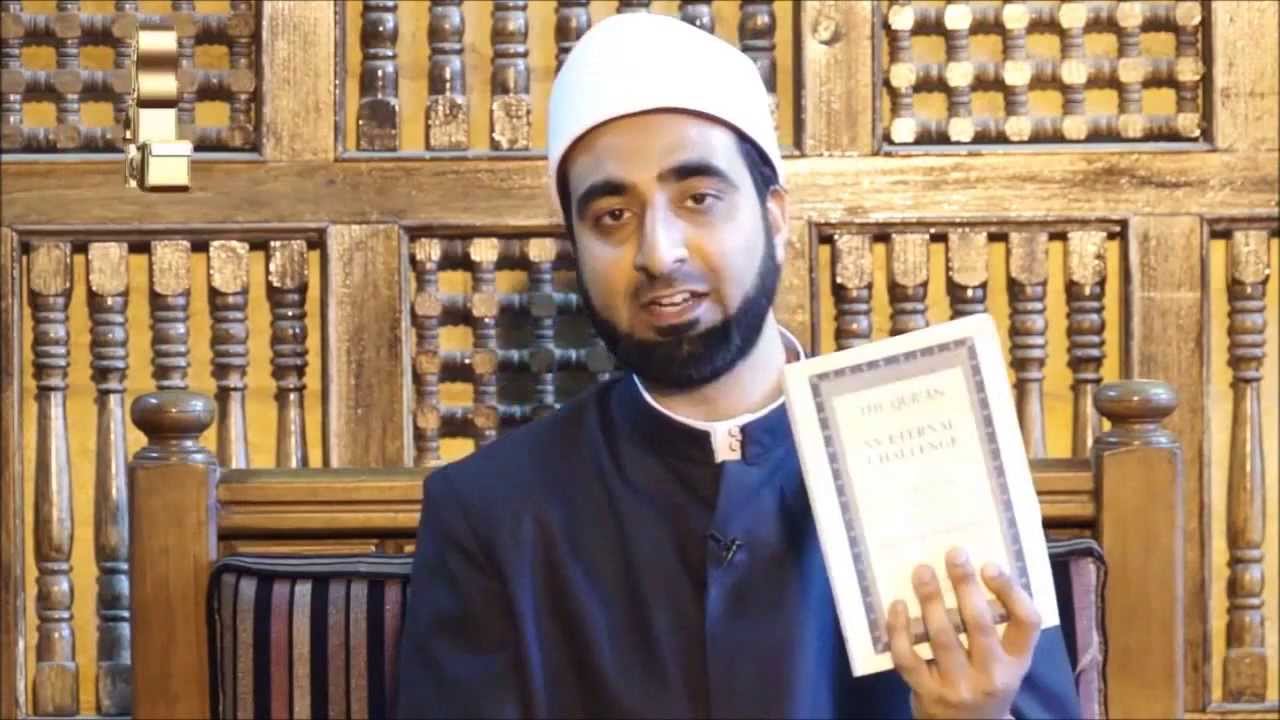
The latest episode is currently available for viewing online through established Islamic educational platforms and social media channels, inviting audiences to engage directly with the historical and spiritual arguments surrounding the revelation of the Quran.